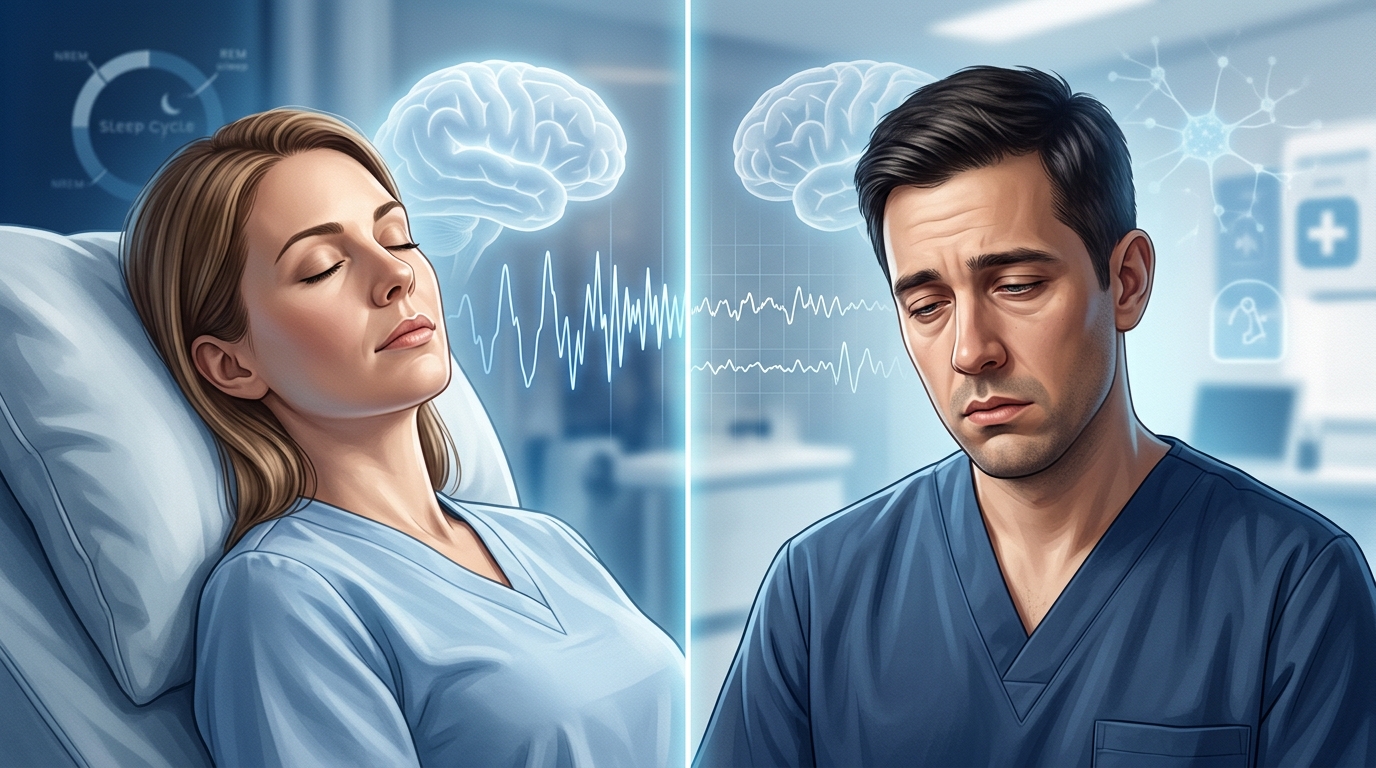
Narcolepsy is a neurological sleep disorder that can have a significant effect on daytime alertness, nighttime sleep, concentration, and everyday activities. People with narcolepsy may experience an overwhelming need to sleep during the day, even after getting what seems like enough sleep at night. Some people may also experience sudden muscle weakness, sleep paralysis, vivid dream-like experiences around sleep, or disrupted nighttime rest. Because symptoms can vary considerably from person to person, many people wonder: are there different types of narcolepsy? The answer is yes. Narcolepsy is commonly divided into two main types: narcolepsy type 1 and narcolepsy type 2.
Understanding these two types can make the condition easier to understand. The most important distinction involves cataplexy, a sudden loss of muscle control that can occur while a person remains conscious. Type 1 narcolepsy is associated with cataplexy and is also commonly associated with low levels of hypocretin, also called orexin, a chemical messenger involved in maintaining wakefulness. Type 2 narcolepsy generally occurs without cataplexy and does not have the same established association with low hypocretin levels. However, narcolepsy is a complex condition, and diagnosis requires careful evaluation rather than relying on one symptom alone.
Are There Different Types of Narcolepsy?
Yes, there are two commonly recognized types of narcolepsy: narcolepsy type 1 and narcolepsy type 2. Both types involve excessive daytime sleepiness, which is one of the central features of narcolepsy. The difference between them is primarily related to cataplexy and the underlying biological features associated with the disorder.
Narcolepsy type 1 is characterized by excessive daytime sleepiness together with cataplexy, or by evidence of low cerebrospinal fluid hypocretin levels. Narcolepsy type 2 is characterized by excessive daytime sleepiness without typical cataplexy and without evidence of hypocretin deficiency. These classifications help sleep specialists understand a person’s symptoms and determine the most appropriate diagnostic approach.
The distinction is important because excessive daytime sleepiness can occur for many different reasons. Insufficient sleep, sleep apnea, certain medications, medical conditions, depression, irregular schedules, and other sleep disorders can all contribute to daytime sleepiness. A person should therefore not assume that persistent sleepiness automatically means they have narcolepsy.
Narcolepsy itself is considered a neurological disorder involving the regulation of sleep and wakefulness. The brain normally maintains a carefully controlled transition between being awake, entering non-REM sleep, and entering REM sleep. In narcolepsy, this regulation can become disrupted. REM-related features may appear unusually close to waking or may occur during transitions between wakefulness and sleep.
What Is Narcolepsy Type 1?
Narcolepsy type 1 is one of the two main forms of narcolepsy. It is strongly associated with cataplexy, which is a sudden and temporary loss of muscle control while a person remains conscious. Cataplexy can affect different muscle groups and may range from mild weakness to a more noticeable collapse. The episodes are usually brief, although their exact duration and severity can differ between individuals.
Cataplexy is one of the most distinctive features associated with type 1 narcolepsy. It can be triggered by strong emotions, including laughter, excitement, surprise, or anger. During an episode, a person does not necessarily lose consciousness. Instead, the muscles may suddenly become weak while awareness is preserved. This can make cataplexy confusing or frightening, especially before someone understands what is happening.
Another important characteristic associated with type 1 narcolepsy is reduced hypocretin, also known as orexin. Hypocretin is a neurochemical that helps regulate wakefulness and stable transitions between sleep and wake states. In many people with type 1 narcolepsy, hypocretin-producing neurons are greatly reduced or absent. This biological difference helps distinguish type 1 from many other causes of excessive daytime sleepiness.
People with type 1 narcolepsy may experience several other symptoms in addition to cataplexy. Excessive daytime sleepiness is usually prominent, and people may have an uncontrollable urge to sleep during the day. Sleep paralysis can also occur, particularly during transitions into or out of sleep. Some individuals experience vivid hallucination-like experiences while falling asleep or waking up.
Nighttime sleep can also be disrupted. Although someone with narcolepsy may fall asleep easily during the day, their nighttime sleep may not be consistently restful. Frequent awakenings, unusual REM sleep patterns, and other disturbances can contribute to fatigue during waking hours.
What Is Narcolepsy Type 2?
Narcolepsy type 2 is the other major form of narcolepsy. It shares the central feature of excessive daytime sleepiness with type 1, but typical cataplexy is absent. People with type 2 can still experience sleep-related symptoms, but they generally do not have the characteristic sudden loss of muscle control associated with cataplexy.
The biological basis of type 2 narcolepsy is less clearly defined than that of type 1. People with type 2 generally do not show the same evidence of severely reduced hypocretin levels that is associated with type 1. This does not mean that the symptoms are less real or that the condition is simply ordinary tiredness. Type 2 is still a recognized form of narcolepsy and can interfere significantly with daily life.
Excessive daytime sleepiness can be the most noticeable symptom of type 2 narcolepsy. A person may feel an overwhelming need to sleep during the day, struggle to remain alert during quiet activities, or have difficulty maintaining concentration. These symptoms can affect education, employment, relationships, and personal safety.
Some people with type 2 narcolepsy may also experience sleep paralysis or vivid dream-like experiences around sleep. Nighttime sleep can be disrupted as well. The presence and intensity of these symptoms can vary, meaning that two people with the same diagnostic classification may have noticeably different experiences.
An important point about type 2 narcolepsy is that the diagnosis requires careful exclusion of other explanations for excessive daytime sleepiness. Sleep deprivation, obstructive sleep apnea, medication effects, circadian rhythm disorders, and other conditions can produce similar symptoms. Sleep specialists therefore consider the full clinical picture rather than relying on daytime sleepiness alone.
Narcolepsy Type 1 vs. Type 2
The most important difference between narcolepsy type 1 and type 2 is cataplexy. Type 1 is associated with cataplexy, while type 2 does not have typical cataplexy as part of the diagnostic picture. This difference can provide an important clue during a clinical assessment.
Hypocretin levels also help distinguish the two types. Low hypocretin levels are strongly associated with type 1 narcolepsy. Type 2 generally does not show this same pattern. Hypocretin testing is not necessary for every person being evaluated for narcolepsy, but it can be useful in certain diagnostic situations.
Both types involve excessive daytime sleepiness. This symptom can be severe enough to interfere with normal daily functioning. A person may struggle to remain awake during passive activities, experience irresistible sleepiness, or find that concentration becomes difficult during the day.
Both forms can also involve unusual REM sleep characteristics. Sleep paralysis and hallucination-like experiences associated with sleep may occur in either type. Nighttime sleep disruption can also affect people with both forms.
The distinction between the two types is not simply a matter of having more or fewer symptoms. It reflects differences in the clinical and biological characteristics of the disorder. A qualified sleep specialist uses these characteristics alongside sleep testing and medical history when determining the diagnosis.
What Symptoms Can Occur With Both Types?
Excessive daytime sleepiness is the most important symptom shared by both types of narcolepsy. This sleepiness is more than ordinary tiredness after a busy day. It can create a powerful urge to sleep and may occur even when a person believes they have spent enough time in bed.
People with narcolepsy may experience sudden sleep episodes during the day. These episodes can happen during activities that require attention and alertness. Persistent sleepiness can also make it difficult to focus, remember information, complete tasks, or maintain productivity.
Sleep paralysis is another possible symptom. During sleep paralysis, a person may temporarily be unable to move or speak while falling asleep or waking up. The experience can be unsettling, but it is generally brief. It occurs because aspects of REM sleep-related muscle paralysis can overlap with conscious awareness.
Some people also experience vivid hallucination-like experiences around the transition between sleep and wakefulness. These experiences may feel unusually realistic because they occur during a period when dream-related brain activity and waking awareness can overlap.
Nighttime sleep disruption is another important part of narcolepsy. A person may fall asleep quickly but still experience fragmented sleep throughout the night. This can contribute to daytime sleepiness and make the sleep-wake cycle feel unpredictable.
Automatic behaviors can also occur when severe sleepiness affects attention. A person may continue performing an activity while their awareness and memory of that period are reduced. This can be particularly concerning when the activity requires sustained attention.
What Is Cataplexy?
Cataplexy deserves special attention because it is closely connected with type 1 narcolepsy. Cataplexy involves a sudden temporary reduction or loss of voluntary muscle control while consciousness is usually maintained.
The severity can vary. Some episodes may involve subtle weakness in the face or neck, while others can affect larger muscle groups. Because the person may remain awake, they can sometimes remember the entire episode.
Strong emotions are common triggers. Laughter, excitement, surprise, frustration, or anger can sometimes bring on an episode. However, not every person experiences the same triggers, and the frequency of episodes can vary considerably.
Cataplexy can be misunderstood as fainting, a seizure, weakness caused by another medical condition, or simply becoming overwhelmed by emotion. A proper medical evaluation is therefore important when sudden episodes of muscle weakness occur.
The presence of cataplexy is one of the major reasons a person with excessive daytime sleepiness may be evaluated for type 1 narcolepsy. However, not every episode of weakness represents cataplexy, which is why professional assessment is necessary.
How Is Narcolepsy Diagnosed?
Diagnosing narcolepsy usually begins with a detailed medical and sleep history. A healthcare professional may ask about daytime sleepiness, nighttime sleep, sleep schedules, unusual behaviors during sleep, cataplexy-like episodes, medications, and other health factors.
A sleep diary may be useful because it records sleep and wake patterns over time. In some cases, clinicians may also use activity monitoring to understand a person’s sleep schedule and determine whether insufficient sleep or an irregular sleep pattern could be contributing to symptoms.
An overnight sleep study called polysomnography may be performed. This test records several aspects of sleep, including brain activity, eye movements, breathing, heart rate, and muscle activity. It can help identify other sleep disorders and provide information about the person’s sleep architecture.
The Multiple Sleep Latency Test, commonly called the MSLT, is another important diagnostic test. It measures how quickly a person falls asleep during scheduled daytime opportunities to sleep. The test can also identify whether REM sleep occurs unusually soon after sleep begins.
Diagnostic criteria are more detailed than simply asking whether someone falls asleep quickly. Sleep specialists consider the overall pattern of symptoms, test results, sleep duration, and other possible causes of excessive sleepiness.
In selected cases, hypocretin testing may be considered. This involves measuring hypocretin levels in cerebrospinal fluid. Very low levels can support a diagnosis of type 1 narcolepsy, particularly when the clinical picture is consistent with the condition.
Can Narcolepsy Type Change Over Time?
Narcolepsy symptoms can change over time, and this is one reason ongoing medical evaluation can be important. A person may not initially report every characteristic symptom, particularly if they do not recognize what a symptom means.
Cataplexy may become apparent after other symptoms have already been present for some time. If someone initially receives a diagnosis of type 2 narcolepsy and later develops clear cataplexy, a healthcare professional may reassess the diagnosis.
Diagnostic classifications are based on the available clinical evidence. They are not simply permanent labels that can never be reconsidered. Changes in symptoms or new medical information can lead to a different understanding of a person’s condition.
This is particularly important because narcolepsy can be complex. A person’s sleep patterns, symptoms, medications, and other health conditions can influence how the disorder appears in everyday life.
What Causes Narcolepsy?
The exact cause of narcolepsy is not completely understood. Type 1 narcolepsy has a strong connection with the loss of hypocretin-producing neurons in the brain. Hypocretin plays an important role in maintaining stable wakefulness.
Research suggests that autoimmune mechanisms may contribute to the destruction or loss of these neurons in many people with type 1 narcolepsy. However, the development of narcolepsy likely involves multiple biological and environmental factors rather than one simple cause.
Genetic factors may also influence susceptibility. Certain genetic characteristics are associated with an increased likelihood of narcolepsy, although having a particular genetic marker does not mean that a person will definitely develop the condition.
Environmental and immune-related factors have also been investigated. Researchers continue to study how infections, immune responses, genetics, and other influences may interact.
Type 2 narcolepsy is less clearly understood. Some people diagnosed with type 2 may later develop features associated with type 1, while others continue to experience symptoms without developing cataplexy. The underlying mechanisms may therefore be more varied.
How Is Narcolepsy Treated?
There is currently no simple cure that permanently eliminates narcolepsy, but treatment can help manage symptoms and improve daily functioning. Treatment plans are individualized because symptoms and their severity vary between people.
Managing daytime sleepiness is often a major part of treatment. Healthcare professionals may recommend medications designed to promote wakefulness or reduce excessive sleepiness. The appropriate medication depends on the person’s health history, symptoms, other medications, and potential side effects.
Cataplexy may require additional treatment when it occurs. Certain medications can reduce the frequency or severity of cataplexy episodes. Treatment choices are generally based on the individual’s overall symptoms and medical circumstances.
Healthy sleep habits can also support symptom management. Maintaining a consistent sleep schedule, allowing sufficient nighttime sleep, and incorporating planned daytime naps may help some people manage their sleepiness.
Safety is another important consideration. Severe daytime sleepiness can interfere with activities such as driving, operating machinery, or performing tasks that require continuous attention. People experiencing uncontrolled sleep episodes should discuss safety concerns with a healthcare professional.
Treatment is not necessarily identical for type 1 and type 2 narcolepsy. Because type 1 commonly includes cataplexy while type 2 does not, treatment may focus on different symptom combinations. A sleep specialist can help determine the most appropriate approach.
How Can Daily Life Be Managed With Narcolepsy?
Living with narcolepsy may require adjustments to daily routines. Consistent sleep and wake times can help create a more predictable sleep-wake schedule. Adequate nighttime sleep is also important because sleep deprivation can worsen daytime sleepiness.
Planned naps may be useful for some individuals. A structured nap schedule can sometimes reduce the intensity of daytime sleepiness and make it easier to remain alert during important activities.
Work and educational environments may also require adjustments. Some people benefit from scheduling demanding tasks during periods when they are most alert. Regular breaks can help manage fatigue and maintain attention.
Communication can also make a difference. Family members, teachers, employers, and close friends may not understand narcolepsy unless the condition is explained clearly. Sharing accurate information can reduce misunderstandings surrounding daytime sleepiness or sudden changes in alertness.
Emotional support may also be valuable. A chronic sleep disorder can affect confidence, social activities, work, and education. Having appropriate medical care and supportive relationships can make the condition easier to manage.Narcolepsy is a neurological sleep disorder that affects the brain’s ability to regulate normal sleep and wakefulness. According to the National Institute of Neurological Disorders and Stroke (NINDS), people with narcolepsy may experience excessive daytime sleepiness along with other sleep-related symptoms. Learning about the condition from reliable medical resources can help readers better understand its symptoms and diagnosis.
When Should You Talk to a Doctor?
Persistent excessive daytime sleepiness deserves medical attention, particularly when it interferes with normal activities. Falling asleep unintentionally during the day, struggling to stay awake despite adequate sleep, or experiencing repeated sleep-related problems can be reasons to seek professional evaluation.
Sudden episodes of muscle weakness should also be discussed with a healthcare professional. When these episodes are triggered by strong emotions and occur while awareness is maintained, a clinician may consider cataplexy as part of the assessment.
Sleep paralysis and vivid experiences around sleep can occur for several reasons and do not automatically indicate narcolepsy. However, when they occur alongside severe daytime sleepiness, they should be included in a medical history.
A healthcare professional can evaluate symptoms and determine whether a sleep study or additional testing is appropriate. Early evaluation may also help identify other sleep disorders that can produce similar symptoms.
People who experience severe sleepiness should also take safety seriously. If sleepiness makes it difficult to stay awake while driving or performing hazardous tasks, professional advice should be sought promptly.
FAQ
Are there different types of narcolepsy?
Yes. Narcolepsy is commonly classified into two main types: type 1 and type 2. Type 1 is associated with cataplexy and often involves low hypocretin levels. Type 2 involves excessive daytime sleepiness without typical cataplexy and generally does not show the same hypocretin deficiency.
What is the main difference between narcolepsy type 1 and type 2?
The main clinical difference is cataplexy. Type 1 narcolepsy includes cataplexy or evidence of low hypocretin levels, while type 2 does not typically include cataplexy. Both types can cause significant excessive daytime sleepiness.
Can you have narcolepsy without cataplexy?
Yes. Narcolepsy type 2 is characterized by excessive daytime sleepiness without typical cataplexy. However, other possible causes of excessive sleepiness must be considered before a diagnosis is made.
Is narcolepsy type 1 caused by low hypocretin?
Type 1 narcolepsy is strongly associated with very low hypocretin levels. Hypocretin is involved in regulating wakefulness and sleep stability. Loss of hypocretin-producing neurons is considered an important feature of many cases of type 1 narcolepsy.
Can narcolepsy symptoms change over time?
Yes. Symptoms can change, and new features may become noticeable over time. A person initially diagnosed with type 2 narcolepsy may need reassessment if clear cataplexy develops later.
Can both types cause excessive daytime sleepiness?
Yes. Excessive daytime sleepiness is a central feature of both type 1 and type 2 narcolepsy. The intensity can vary from person to person.
Can narcolepsy affect nighttime sleep?
Yes. Although narcolepsy is often associated with excessive daytime sleepiness, nighttime sleep can also be fragmented or disrupted. This can contribute to fatigue and difficulty maintaining a stable sleep-wake pattern.
Can narcolepsy be treated?
Narcolepsy can often be managed with a combination of medical treatment, sleep scheduling, lifestyle adjustments, and safety planning. Treatment is individualized according to symptoms and health circumstances.
Conclusion
So, are there different types of narcolepsy? Yes. The two commonly recognized types are narcolepsy type 1 and narcolepsy type 2. Both can cause significant excessive daytime sleepiness and can interfere with everyday life, but they differ in important ways.
Type 1 narcolepsy is associated with cataplexy and is commonly linked to low hypocretin levels. Type 2 narcolepsy involves excessive daytime sleepiness without typical cataplexy and generally does not have the same evidence of hypocretin deficiency. Both types can involve disrupted nighttime sleep, sleep paralysis, and unusual experiences around the transition between sleep and wakefulness.
Understanding the difference between the two types can help people recognize why narcolepsy is more complicated than ordinary tiredness. However, symptoms alone cannot establish a diagnosis. Excessive daytime sleepiness can have many causes, so appropriate medical and sleep evaluation is important.
If persistent sleepiness, sudden muscle weakness, sleep paralysis, or other unusual sleep symptoms are affecting daily life, speaking with a qualified healthcare professional or sleep specialist can help determine what is happening and whether further testing is needed. With appropriate evaluation and symptom management, people with narcolepsy can work toward a more predictable and manageable daily routine.