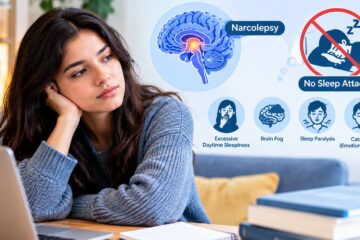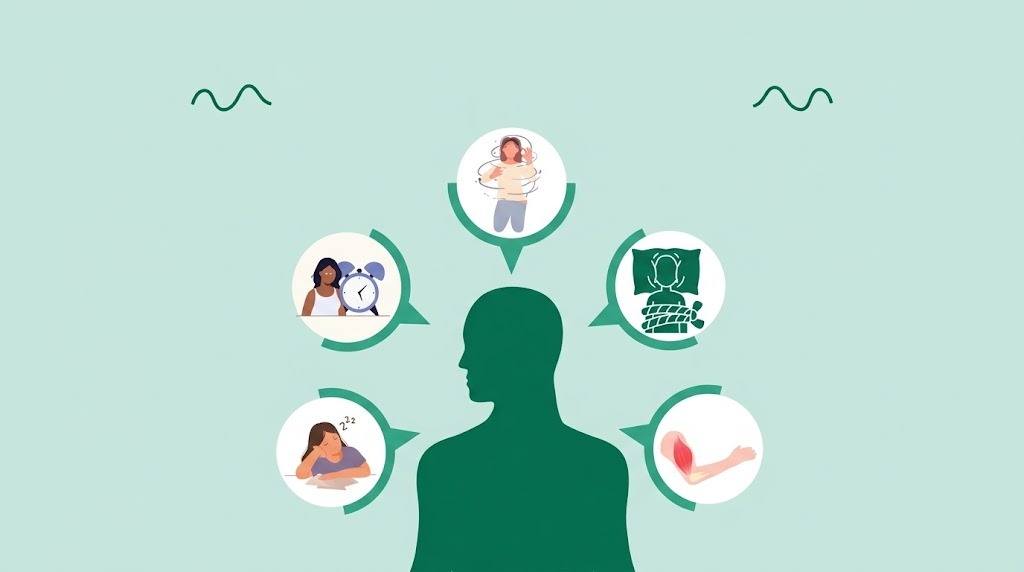
Narcolepsy is a neurological sleep disorder that can affect far more than a person’s ability to stay awake. Although excessive daytime sleepiness is one of its most recognizable symptoms, narcolepsy can influence many areas of everyday life, including work, school, relationships, social activities, concentration, routines, and personal independence. Because symptoms can occur unexpectedly, people living with narcolepsy may need to organize their days differently and develop strategies that help them manage periods of sleepiness and other symptoms.
For some people, narcolepsy may mean feeling an overwhelming need to sleep during the day even after spending enough time in bed at night. Others may experience additional symptoms such as cataplexy, sleep paralysis, vivid dream-like experiences around sleep, or disrupted nighttime sleep. Not everyone experiences the condition in exactly the same way, and the effect on daily life can vary considerably from one person to another.
The question “how does narcolepsy affect your life?” therefore does not have one simple answer. The impact depends on the person’s symptoms, their severity, treatment response, responsibilities, daily environment, and support system. Someone who has well-managed symptoms may experience fewer disruptions, while another person may need significant adjustments to work, school, transportation, or social plans.
Understanding these effects can make narcolepsy easier to recognize and manage. With appropriate medical care, consistent sleep habits, practical planning, and support from people around them, many individuals can develop routines that allow them to continue participating in education, employment, relationships, hobbies, and other meaningful parts of life.
How Does Narcolepsy Affect Your Life?
Narcolepsy can affect everyday life because it interferes with the normal regulation of sleep and wakefulness. A person may have difficulty remaining awake when they need to be alert, particularly during quiet activities or situations that require sustained attention.
For example, someone may become extremely sleepy while reading, sitting in a classroom, attending a meeting, watching a presentation, working at a computer, or having a quiet conversation. These episodes are not simply ordinary tiredness after a busy day. Excessive daytime sleepiness is an important symptom of narcolepsy and can make normal activities more difficult.
The unpredictability of symptoms can create another challenge. A person may have one relatively manageable day and another day when staying awake is much harder. This can make planning school, work, appointments, travel, family activities, and social events more complicated.
Narcolepsy can also affect a person’s confidence in situations where falling asleep unexpectedly would be embarrassing or inconvenient. Someone may worry about falling asleep during an important meeting, class, conversation, or social event. These concerns can influence how a person plans their day and interacts with other people.
The effect is not identical for everyone. Some people mainly struggle with excessive daytime sleepiness, while others experience additional symptoms such as cataplexy, disrupted nighttime sleep, sleep paralysis, or unusual dream-like experiences around falling asleep or waking. The severity of symptoms and response to treatment can also influence how strongly narcolepsy affects quality of life.
How Narcolepsy Affects Sleep
It may seem surprising that a sleep disorder can affect both daytime wakefulness and nighttime sleep. However, people with narcolepsy can experience disrupted or fragmented sleep at night as well as excessive sleepiness during the day.
A person may fall asleep relatively easily but wake repeatedly throughout the night. As a result, the total amount of time spent in bed does not always reflect how restorative the sleep has been.
Disrupted Nighttime Sleep
Fragmented nighttime sleep can contribute to daytime fatigue and sleepiness. Someone may wake several times during the night without fully understanding why their sleep feels interrupted.
Even when a person spends an appropriate amount of time sleeping, they may wake feeling as though they have not received the same restorative benefit that uninterrupted sleep can provide. This can contribute to a difficult cycle in which nighttime sleep does not provide the expected level of rest while daytime alertness remains challenging.
Narcolepsy is also associated with changes in the timing and regulation of REM sleep. REM sleep is the stage commonly connected with vivid dreaming. In narcolepsy, features of REM sleep may occur unusually close to falling asleep or waking.
This can help explain why some people with narcolepsy report vivid dream-like experiences, sleep paralysis, or other unusual experiences around sleep.
Irregular Sleep-Wake Patterns
Maintaining a predictable sleep-wake schedule can be useful for many people with narcolepsy. Going to bed and waking up around the same times can provide structure and make daily planning easier.
However, a consistent routine does not necessarily eliminate symptoms. A person may still experience daytime sleepiness even when they follow a regular schedule.
Planned daytime naps may become part of some people’s routines. When appropriate, naps can provide periods of rest and may help someone manage daytime sleepiness. The timing and duration of naps should fit the individual’s needs and overall treatment plan.
How Narcolepsy Affects School and Work
School and work can be significantly affected when a person has difficulty remaining alert for extended periods.
A student may become sleepy during a lecture, while reading, during homework, or when studying for an exam. An employee may struggle to remain attentive during meetings, presentations, computer-based tasks, or repetitive work.
These difficulties can sometimes be misunderstood by other people. Someone who does not understand narcolepsy might assume that a sleepy person is lazy, distracted, uninterested, or not making enough effort. However, excessive daytime sleepiness is a recognized symptom of narcolepsy.
Concentration and Productivity
Maintaining concentration can become difficult when alertness fluctuates throughout the day. A person may need more time to complete certain tasks or may find it easier to work in shorter periods.
Long documents, lengthy meetings, extended study sessions, repetitive assignments, and other activities requiring continuous attention can become particularly challenging.
This does not mean that a person with narcolepsy cannot succeed academically or professionally. Instead, it may mean that symptom management, planning, and appropriate support are important parts of maintaining performance.
Some people find it useful to organize demanding tasks around times when they generally feel more alert. When schedules are flexible, completing important work during these periods may make the day easier to manage.
School Support
Students with narcolepsy may benefit from discussing practical needs with appropriate school personnel. Depending on the circumstances and local rules, accommodations may help reduce the effect of excessive daytime sleepiness on learning.
Possible approaches can include appropriate breaks, flexibility around schedules, additional time when necessary, or an environment that makes it easier to maintain concentration.
The right approach depends on the student’s symptoms and educational responsibilities. There is no single accommodation that works for everyone.
Workplace Support
A person with narcolepsy may also need to communicate with an employer or workplace representative about practical challenges.
When possible, scheduling demanding activities during periods of greater alertness can be helpful. Regular breaks or other reasonable adjustments may also make certain work environments easier to navigate.
The goal is not to lower expectations but to create practical conditions that allow a person to manage their symptoms while continuing to perform their responsibilities.
How Narcolepsy Can Affect Relationships
Narcolepsy can influence relationships with family members, friends, classmates, coworkers, and partners. One reason is that many symptoms may not be obvious to other people.
Someone may appear to be simply tired when they are actually experiencing excessive daytime sleepiness related to a neurological sleep disorder.
A person may decline a social invitation because they are exhausted, fall asleep during a gathering, or need to take a planned nap. Without an explanation, these behaviors may sometimes be misunderstood.
Explaining Narcolepsy to Family and Friends
Education and communication can make relationships easier.
Explaining that narcolepsy is a neurological sleep disorder can help family members and friends understand that excessive sleepiness is not simply a personal choice.
It can also be useful to explain that symptoms may change from day to day. Someone might be able to participate in a long event on one day but need more rest on another.
Family and friends can provide practical support by respecting the person’s need for rest and avoiding assumptions about their motivation.
Open communication can prevent many unnecessary misunderstandings. Rather than assuming that a person is avoiding an activity, people around them can ask what type of support would make participation easier.
Social Activities and Narcolepsy
Social activities may require additional planning when someone has narcolepsy.
A person might need to consider how long an event will last, how much travel is involved, whether there will be opportunities to rest, and whether the activity involves long periods of sitting or inactivity.
This does not mean that people with narcolepsy need to avoid social life. Many people can continue enjoying time with friends and family by adapting activities to their symptoms and energy levels.
Shorter activities, flexible scheduling, planned breaks, and realistic expectations may make social participation more manageable.
How Narcolepsy Affects Daily Activities
Narcolepsy can make ordinary daily responsibilities require more planning.
Activities such as cooking, cleaning, shopping, reading, studying, completing paperwork, attending appointments, and organizing schedules may become more difficult when excessive sleepiness is present.
The challenge is not necessarily that a person cannot perform these activities. Instead, maintaining alertness while doing them may require additional effort.
Morning Routines
Starting the day can be difficult for some people with narcolepsy. Waking up does not always mean becoming fully alert immediately.
A consistent morning routine can provide useful structure. Some people may find it helpful to allow enough time to become fully awake before starting demanding tasks.
A predictable sequence of morning activities may also make it easier to transition from sleep to the responsibilities of the day.
Household Responsibilities
Household tasks can sometimes be divided into smaller steps.
If someone has periods when they feel more alert, they may choose to complete more demanding chores during those periods and leave simpler tasks for times when their alertness is lower.
This approach can help reduce the feeling that every responsibility needs to be completed at once.
Planning can be particularly useful when several responsibilities need to be completed on the same day.
Hobbies and Exercise
Narcolepsy does not automatically prevent a person from enjoying hobbies or being physically active.
However, activities should be considered in relation to individual symptoms and safety. Some situations may require more careful planning than others.
A healthcare professional can provide individualized guidance, particularly if symptoms could create safety concerns during certain activities.
The important point is that managing narcolepsy does not necessarily mean giving up meaningful activities. It may mean finding safer and more practical ways to participate in them.
Narcolepsy and Safety
Safety is an important consideration for anyone experiencing excessive daytime sleepiness.
Activities that require continuous alertness may become difficult when a person is unexpectedly sleepy. This is particularly important when an error or loss of attention could result in injury.
Driving and Transportation
Driving deserves particular attention because severe sleepiness can create serious safety risks.
People with narcolepsy should discuss driving safety with their healthcare professional and follow applicable laws and medical guidance. A person’s ability to drive safely may depend on symptom control, treatment, alertness, and other individual factors.
Transportation plans may sometimes need to be adjusted when symptoms are difficult to control.
Other Safety Considerations
Driving is not the only situation where alertness matters. Other activities that require sustained attention may also need careful planning.
The goal is not to avoid every activity. Instead, people with narcolepsy can learn to recognize situations where unexpected sleepiness could create danger and discuss appropriate precautions with a healthcare professional.
Emotional and Social Effects of Narcolepsy
Living with a chronic sleep disorder can be emotionally challenging.
A person may become frustrated when symptoms interfere with plans, school, work, hobbies, or responsibilities. They may also feel uncomfortable explaining their symptoms repeatedly.
Frustration and Embarrassment
Unexpected sleepiness can be embarrassing, particularly in public or professional situations.
Someone may worry about falling asleep during a conversation, presentation, meeting, class, or social event. They may also worry that other people will misunderstand what is happening.
These concerns can affect confidence and willingness to participate in certain activities.
Understanding that narcolepsy is a medical condition can help separate symptoms from personal judgments. Excessive sleepiness is not evidence that someone lacks motivation or discipline.
Social Isolation
If symptoms repeatedly interfere with social activities, a person may gradually begin participating less.
For example, someone who frequently feels too sleepy to attend gatherings might stop accepting invitations. Over time, reduced social participation can limit opportunities for connection and support.
Maintaining relationships can therefore be an important part of living with narcolepsy. Friends and family who understand the condition may make social activities easier to manage.
If emotional difficulties become persistent or significantly interfere with daily life, discussing them with a healthcare professional may be appropriate.
How Narcolepsy Can Affect Independence
Narcolepsy may require people to become more deliberate about organizing their days.
Appointments, transportation, school, work, meals, exercise, hobbies, and social activities may all need to be considered alongside periods of sleepiness.
This additional planning can feel frustrating at first, but learning how symptoms behave can make daily routines more predictable.
Planning Around Alertness
Many people gradually become familiar with the times of day when they tend to feel more alert.
When schedules allow, important activities can sometimes be planned during those periods. Less demanding tasks may be reserved for times when alertness is lower.
Keeping a consistent sleep schedule and following the treatment plan recommended by a healthcare professional can also support symptom management.
Building Confidence
Understanding personal symptoms can make planning easier.
A person may discover that certain environments, schedules, routines, and break patterns help them remain active and focused.
Over time, this knowledge can make it easier to make decisions about work, school, social activities, and personal responsibilities.
Independence does not necessarily mean doing everything without help. Knowing when to ask family members, friends, teachers, coworkers, or healthcare professionals for support is also an important part of managing a chronic condition.
Does Narcolepsy Affect Everyone the Same Way?
No. Narcolepsy can look different from one person to another.
Some people primarily experience excessive daytime sleepiness, while others have additional symptoms such as cataplexy, disrupted nighttime sleep, sleep paralysis, or vivid dream-like experiences around sleep.
Narcolepsy is commonly divided into type 1 and type 2.
Type 1 narcolepsy is generally associated with cataplexy and loss of hypocretin-producing neurons. Type 2 narcolepsy does not have cataplexy as a defining feature.
The effect on quality of life can also vary.
Two people with narcolepsy may have very different experiences depending on their symptoms, treatment response, responsibilities, work or school environment, and available support.
This is why management should be individualized rather than based on assumptions about what every person with narcolepsy experiences.
How Narcolepsy Can Affect Different Times of the Day
Narcolepsy can influence different parts of the day in different ways.
A person may feel relatively alert at one time and significantly sleepy at another. Understanding these patterns can help with planning.
Morning
The transition from sleep to wakefulness may be challenging. A person may need additional time to become fully alert and ready for daily responsibilities.
A predictable morning routine can provide structure and reduce unnecessary decisions.
Afternoon
Some people may experience significant daytime sleepiness during periods when they are expected to remain awake and productive.
Planned rest or naps may be useful for some individuals when incorporated into an appropriate management plan.
Evening
Evening routines can also be affected. Some people may feel tired earlier than expected, while others may experience difficulty maintaining a regular nighttime sleep pattern.
Maintaining consistency can help provide structure, although individual symptoms may still vary.
How Narcolepsy Can Affect Concentration
Excessive sleepiness can make sustained attention difficult.
A person may read the same paragraph several times, lose focus during a conversation, or find it difficult to complete a lengthy task without taking a break.
This can be especially noticeable during activities that are quiet, repetitive, or require sitting still for extended periods.
Concentration difficulties do not necessarily mean that a person has a lack of ability. Sleepiness itself can interfere with maintaining attention.
Breaking larger tasks into manageable sections may make some activities easier. Taking appropriate breaks and organizing demanding work around periods of greater alertness may also be useful.
How Narcolepsy Can Affect Social Planning
People with narcolepsy may need to think about practical details that others do not always consider.
A social event might involve traveling for an hour, sitting through a long meal, attending a crowded gathering, or staying out late. Each factor can affect how manageable the activity feels.
Planning does not mean giving up social experiences.
Instead, someone may choose activities that fit their energy level, communicate their needs beforehand, or arrange opportunities to rest.
Friends who understand the condition may also be more flexible when plans need to change.
How Narcolepsy Can Affect Personal Routines
A consistent routine can be useful because it reduces unpredictability.
Regular sleep and wake times, planned meals, scheduled activities, and organized responsibilities can provide structure.
However, routines should remain realistic.
Trying to maintain an extremely demanding schedule may create unnecessary pressure. A practical routine should account for the person’s symptoms and allow enough flexibility when circumstances change.
How to Manage the Effects of Narcolepsy
Managing narcolepsy generally involves multiple strategies rather than one single solution.
Treatment should be individualized and discussed with a qualified healthcare professional.
Maintain a Consistent Sleep Schedule
Going to bed and waking up at consistent times can provide structure for the sleep-wake cycle.
A predictable schedule can also make it easier to organize school, work, appointments, social activities, and other responsibilities.
Consistency does not guarantee that symptoms will disappear, but it can provide a useful foundation for overall management.
Use Planned Naps When Appropriate
Short, planned naps may help some people manage daytime sleepiness.
The timing and duration of naps should fit the individual’s needs, daily responsibilities, and treatment plan.
Naps should not be considered a replacement for appropriate medical care. Instead, they may form one part of a broader strategy for managing daytime sleepiness.
Follow the Prescribed Treatment Plan
Healthcare professionals may recommend medications and behavioral strategies depending on the person’s symptoms and type of narcolepsy.
Treatment should be followed as prescribed.
People should not start, stop, or change medications without discussing the decision with their healthcare professional.
Reliable information about narcolepsy can also be found through established medical resources, including the National Institute of Neurological Disorders and Stroke.
Communicate With Others
Explaining narcolepsy to people who regularly interact with the person can make daily life easier.
A teacher, employer, family member, friend, or coworker may be more understanding when they know why someone needs breaks, planned naps, schedule adjustments, or additional time for certain tasks.
Communication can also help prevent assumptions about motivation or interest.
When Should You Talk With a Healthcare Professional?
Persistent excessive daytime sleepiness should not automatically be dismissed as ordinary tiredness.
If sleepiness regularly interferes with school, work, relationships, safety, or everyday activities, discussing the symptoms with a healthcare professional is important.
Other symptoms that may deserve medical attention include sudden muscle weakness associated with strong emotions, unusual experiences when falling asleep or waking, disrupted nighttime sleep, or repeated episodes of uncontrollable sleepiness.
A healthcare professional can review symptoms, medical history, sleep patterns, and other relevant information. When appropriate, they may recommend evaluation by a sleep specialist.
An accurate diagnosis matters because excessive daytime sleepiness can have several possible causes. Narcolepsy is one possible explanation, but it is not the only one.
FAQs
Can narcolepsy affect your everyday life?
Yes. Narcolepsy can affect daytime alertness, concentration, routines, school or work, relationships, social activities, and safety. However, the extent of the impact varies from person to person.
Can narcolepsy affect your ability to work?
It can. Excessive daytime sleepiness may make prolonged concentration and certain work tasks more difficult. Appropriate treatment, planning, and workplace support may help some people manage their responsibilities.
Does narcolepsy affect relationships?
It can. Sleepiness, unexpected naps, and other symptoms may sometimes be misunderstood by friends or family. Clear communication and education about narcolepsy can help reduce misunderstandings.
Can people with narcolepsy live a normal life?
People with narcolepsy can continue pursuing education, careers, relationships, hobbies, and other meaningful activities. Managing the condition may require adjustments, treatment, careful planning, and attention to safety.
Does narcolepsy affect concentration and memory?
Excessive sleepiness can make it harder to maintain attention and complete tasks that require sustained concentration. When sleepiness is better managed, some people may find certain daily cognitive tasks easier.
Can narcolepsy affect emotional well-being?
Living with unpredictable symptoms can be frustrating or socially challenging. Emotional effects vary between individuals. Anyone experiencing ongoing emotional difficulties should consider discussing them with a healthcare professional.
Can narcolepsy affect social life?
Yes. Excessive daytime sleepiness may make long social events, late-night activities, or spontaneous plans more difficult. However, people can often continue socializing by planning activities around their symptoms and communicating with friends and family.
Does narcolepsy affect independence?
It can. Managing transportation, appointments, work, school, household responsibilities, and social plans may require additional organization. Learning how symptoms behave and developing practical routines can make daily life more manageable.
Can narcolepsy affect sleep at night?
Yes. Narcolepsy can involve disrupted or fragmented nighttime sleep. A person may wake multiple times during the night and still experience significant daytime sleepiness.
Is excessive daytime sleepiness always caused by narcolepsy?
No. Excessive daytime sleepiness can have several possible causes. A healthcare professional can evaluate symptoms and determine whether narcolepsy or another condition may be responsible.
Final Thoughts
Narcolepsy can affect much more than a person’s ability to stay awake. Excessive daytime sleepiness and other symptoms may influence concentration, school or work, relationships, social activities, household responsibilities, independence, and safety. At the same time, the experience is not identical for everyone. Some people may experience symptoms that significantly disrupt their routines, while others may find that treatment and practical adjustments make their symptoms easier to manage.
Understanding how narcolepsy affects daily life is an important part of learning how to live with the condition. Consistent sleep habits, planned rest periods, appropriate treatment, realistic scheduling, communication, and attention to safety can all contribute to better day-to-day management. Support from family, friends, teachers, employers, and healthcare professionals can also make a meaningful difference.
If persistent daytime sleepiness, sudden muscle weakness, disrupted sleep, or other unusual sleep-related symptoms are interfering with everyday activities, speaking with a healthcare professional is important. Proper evaluation can help determine whether narcolepsy or another sleep-related condition is involved. With appropriate care, planning, and support, people living with narcolepsy can continue pursuing their educational, professional, social, and personal goals.