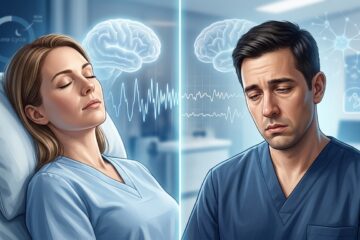
Narcolepsy is best known for causing overwhelming daytime sleepiness, but many people do not realize that its symptoms can be misunderstood for years. A person may assume they are simply tired, not sleeping well, under stress, or struggling with a different health issue. This can make the question “can you get narcolepsy later in life?” more complicated than it first appears.
Narcolepsy typically begins during childhood, adolescence, or young adulthood. Mayo Clinic notes that it most commonly begins between the ages of 10 and 30. However, that does not mean an older adult who starts experiencing severe daytime sleepiness should automatically rule narcolepsy out. Symptoms may have been present for a long time before diagnosis, and research shows that diagnostic delays can last for years.
There is also an important difference between developing narcolepsy later in life and being diagnosed with narcolepsy later in life. Those two situations are not necessarily the same. Someone may receive a diagnosis at 40, 50, or beyond even though their symptoms started much earlier.
Understanding the symptoms, possible causes, diagnostic process, and other conditions that can look similar can make this topic much easier to understand.
Can You Get Narcolepsy Later in Life?
Yes, narcolepsy can be diagnosed later in life, but the situation requires some context. Narcolepsy most often begins earlier, especially during adolescence and young adulthood. Later-life onset appears to be much less common than onset earlier in life.
One reason the question can be confusing is that the age when narcolepsy is diagnosed may be very different from the age when symptoms first appeared. Excessive daytime sleepiness may have been present for years but blamed on a busy schedule, poor sleep, work demands, aging, stress, or another condition.
A 2025 study examining narcolepsy and other central disorders of hypersomnolence found that patients can experience symptoms for years or even decades before receiving a diagnosis. Another multicenter study reported that the average age of first narcolepsy symptoms was substantially younger than the average age at diagnosis.
That means a person who is diagnosed with narcolepsy later in adulthood may not necessarily have developed the disorder for the first time at that age.
At the same time, new and persistent excessive daytime sleepiness in an older adult should still be medically evaluated. Narcolepsy is only one possible explanation, and several other sleep, medical, and medication-related issues can produce similar symptoms.
At What Age Does Narcolepsy Usually Begin?
Narcolepsy does not have a single age at which it starts. However, it is most commonly associated with younger people.
According to Mayo Clinic, narcolepsy typically begins between ages 10 and 30. Symptoms may develop during the teenage years or early adulthood, although the timing can vary between individuals.
Narcolepsy During Childhood
Children with narcolepsy may not describe their symptoms in the same way adults do. Excessive sleepiness can sometimes appear as difficulty concentrating, irritability, unusual daytime naps, or changes in behavior.
Because children naturally have different sleep needs from adults, recognizing an abnormal level of daytime sleepiness can be challenging. Symptoms that repeatedly interfere with school, activities, or normal daily functioning deserve professional attention.
Narcolepsy During the Teen Years
Adolescence is one of the periods when narcolepsy commonly becomes noticeable. A teenager may stay awake during lessons but struggle to remain alert during quiet activities, conversations, reading, or other situations where most people would remain awake.
These symptoms can easily be mistaken for insufficient sleep, especially because teenagers often have changing schedules and may not get enough nighttime sleep.
However, persistent sleepiness despite adequate opportunities for sleep is different from simply being tired after staying up too late.
Narcolepsy in Young Adults
Young adulthood is another common period for symptoms to become apparent. College schedules, employment, commuting, and irregular sleep patterns can make daytime sleepiness particularly noticeable.
Some people may initially think they have a motivation problem or are simply poor sleepers. A pattern of unintended sleep episodes, severe daytime sleepiness, or cataplexy can provide important clues that something more specific may be happening.
Narcolepsy After Age 40 or 50
Narcolepsy beginning for the first time after 40 or 50 is less typical than earlier onset. That does not mean a later diagnosis should automatically be considered impossible.
When a previously alert adult begins having persistent sleepiness later in life, doctors usually need to consider the entire clinical picture. Sleep apnea, medication effects, insufficient sleep, neurological disorders, and other conditions may need to be investigated alongside narcolepsy.
The important point is that age alone cannot establish or exclude a diagnosis.
Late-Onset Narcolepsy vs. Late Diagnosis
This distinction is one of the most important parts of understanding the question “can you get narcolepsy later in life?”
A late diagnosis means the person receives the diagnosis years after symptoms began. A late onset would mean that the symptoms themselves genuinely began later than the typical age range.
These situations can look identical from the patient’s perspective.
Imagine someone who has experienced unusual daytime sleepiness since their twenties but assumed it was caused by a demanding job. At age 45, they finally visit a sleep specialist and receive a diagnosis of narcolepsy. The diagnosis occurred at 45, but the condition may not have started at 45.
Research supports the idea that delayed diagnosis is common. A recent study found that people with narcolepsy may have symptoms for years or decades before diagnosis. A separate Korean multicenter study found a mean diagnostic delay of more than 10 years among people with narcolepsy.
This delay can happen for several reasons. Symptoms may be subtle at first. People may normalize sleepiness. Healthcare professionals may initially investigate more common causes. Some symptoms may not occur together at the beginning.
For this reason, someone who is newly diagnosed later in life may benefit from thinking back carefully about earlier symptoms and discussing them with a healthcare professional.
What Are the Main Signs of Narcolepsy in Adults?
Narcolepsy can cause several symptoms involving daytime alertness and REM sleep regulation. Not everyone experiences every symptom, and symptom severity can vary.
Excessive Daytime Sleepiness
The most recognizable feature of narcolepsy is excessive daytime sleepiness.
A person may feel an overwhelming need to sleep during the day even after what seems like a normal night’s sleep. They may have trouble maintaining alertness while sitting quietly, reading, watching television, studying, working, or participating in conversations.
Mayo Clinic identifies excessive daytime sleepiness as the first symptom to appear in many people with narcolepsy.
Ordinary tiredness generally improves when someone gets enough sleep or rests. Narcolepsy-related sleepiness can be much more persistent and difficult to control.
Sudden Sleep Episodes
Some people with narcolepsy can fall asleep unexpectedly during the day. These episodes may occur during activities that normally require alertness.
The duration can vary, and a person may awaken feeling temporarily more refreshed before sleepiness returns.
Unintentional sleep is particularly important to discuss with a healthcare professional when it occurs repeatedly or interferes with school, work, transportation, or normal activities.
Cataplexy
Cataplexy is a sudden loss of muscle tone that can occur while a person is awake. It is often associated with strong emotions such as laughter, excitement, surprise, or anger.
Depending on the episode, the physical changes can be subtle or more noticeable. Cataplexy is strongly associated with narcolepsy type 1. Most people with narcolepsy type 1 have cataplexy, while most people with type 2 do not.
Because cataplexy can be misunderstood, describing exactly what happens during these episodes can be helpful during a medical evaluation.
Sleep Paralysis
Sleep paralysis refers to temporary difficulty moving around the transition between sleep and wakefulness.
This can be unsettling, particularly if a person does not understand why it is happening. Sleep paralysis can occur in narcolepsy, although having sleep paralysis by itself does not mean someone has narcolepsy.
Vivid Dreams or Hallucinations Around Sleep
Some people with narcolepsy experience vivid dreamlike experiences while falling asleep or waking up.
These experiences are associated with REM sleep occurring at unusual times. Mayo Clinic describes these as hypnagogic experiences when they happen while falling asleep and hypnopompic experiences when they occur upon waking.
Not every unusual nighttime experience is caused by narcolepsy, so the overall pattern matters.
Automatic Behaviors
A person may briefly fall asleep while continuing a task without fully realizing it. This can be referred to as automatic behavior.
For instance, someone may continue writing, typing, or performing another familiar activity while only partially aware. They may later have little memory of what happened during that period.
This symptom can be difficult to recognize because the person may appear awake to people around them.
Why Might Narcolepsy Seem to Start Later in Life?
There are several reasons why a person might believe their narcolepsy appeared suddenly in adulthood.
Earlier Symptoms May Have Been Overlooked
Mild daytime sleepiness can be easy to dismiss. Someone may believe they simply need better sleep habits or a less demanding schedule.
Over time, the symptoms can become more disruptive and eventually reach a point where medical evaluation becomes necessary.
Changes in Lifestyle Can Expose Symptoms
A person may cope with sleepiness successfully for years because their daily routine allows flexibility. Later changes in employment, education, commuting, responsibilities, or sleep schedule can make the same symptoms more obvious.
This does not necessarily mean the underlying disorder started at that moment. It may simply mean its effects became harder to compensate for.
Other Sleep Problems Can Complicate the Picture
People can have more than one sleep disorder. Mayo Clinic notes that individuals with narcolepsy may also have conditions such as obstructive sleep apnea, insomnia, or REM sleep behavior disorder.
When multiple problems affect sleep, determining what is causing excessive daytime sleepiness can be more complicated.
Diagnosis Can Take Time
Narcolepsy is not diagnosed simply because someone feels sleepy during the day. Healthcare professionals generally need to look at the person’s sleep history and consider other potential explanations.
Long diagnostic delays have been documented in studies of narcolepsy.
Can Narcolepsy Develop Suddenly as an Adult?
The experience of symptoms can sometimes feel sudden, but sudden sleepiness does not automatically mean narcolepsy.
A person who rapidly develops severe daytime sleepiness may have many possible explanations. Changes in sleep duration, sleep apnea, medications, illness, or other sleep and medical conditions can contribute to sleepiness.
Narcolepsy itself is characterized by a recognizable pattern of symptoms involving daytime sleepiness and, in some cases, cataplexy and REM-related symptoms. Diagnosis therefore depends on the overall history rather than one sudden episode of tiredness.
This is especially important for adults who did not previously have excessive sleepiness. A new symptom deserves an appropriate medical assessment instead of being automatically labeled as narcolepsy.
What Causes Narcolepsy?
The exact cause of narcolepsy is not completely understood.
In narcolepsy type 1, low levels of hypocretin, also called orexin, are commonly associated with the condition. Hypocretin is a brain chemical involved in maintaining wakefulness and regulating transitions into REM sleep.
Researchers believe the loss of hypocretin-producing cells in narcolepsy type 1 may involve an autoimmune process, although the precise mechanism is still being studied.
Genetic factors may also play a role. However, having a family member with narcolepsy does not mean a person will necessarily develop it. Mayo Clinic notes that the risk of a parent passing the condition to a child is considered low.
Certain environmental or immune-related factors have also been investigated in relation to narcolepsy. These include associations with H1N1 influenza and particular vaccination exposure in Europe. Such associations are not the same thing as saying that any individual case was caused by one specific event.
Narcolepsy Type 1 vs. Type 2
Narcolepsy is commonly divided into two major types.
Narcolepsy Type 1
Narcolepsy type 1 is generally associated with cataplexy and low hypocretin levels. The daytime sleepiness can be severe, and REM-related symptoms may also occur.
Cataplexy is one of the features that can make type 1 more recognizable, although not everyone initially realizes that episodes of sudden muscle weakness are connected to their sleep disorder.
Narcolepsy Type 2
Narcolepsy type 2 involves excessive daytime sleepiness but does not usually include cataplexy. Diagnostic testing is important because several other conditions can cause significant daytime sleepiness.
The distinction between types can matter because the underlying biological features and symptoms are not identical.
How Is Narcolepsy Diagnosed Later in Life?
When narcolepsy is suspected, a healthcare professional may begin with a detailed medical and sleep history.
A sleep specialist may ask about bedtime, wake time, naps, daytime sleepiness, nighttime awakenings, unusual movements, cataplexy-like episodes, and other symptoms.
Sleep History
The doctor may ask when the symptoms began and whether they were present earlier in life.
This is particularly useful for the question of late onset versus late diagnosis. Someone diagnosed in middle age might remember significant sleepiness during school or early adulthood once they start thinking about their past symptoms.
Sleep Diary
A person may be asked to keep a record of sleep and wake times for a period of time. Mayo Clinic notes that healthcare professionals may use sleep records to evaluate sleeping patterns and daytime alertness.
Some evaluations can also involve actigraphy, which uses a wrist-worn device to record patterns of activity and rest.
Overnight Sleep Study
A polysomnogram, or overnight sleep study, can help evaluate sleep architecture and rule out other sleep problems.
Mayo Clinic explains that formal evaluation may require an overnight study at a sleep center.
Multiple Sleep Latency Test
A multiple sleep latency test, commonly called an MSLT, measures how quickly someone falls asleep during scheduled opportunities to nap during the day.
The test can also examine whether REM sleep occurs unusually soon after sleep begins. The American Academy of Sleep Medicine describes MSLT findings as part of the diagnostic criteria used for narcolepsy.
The results have to be interpreted together with the person’s symptoms and other testing. A single test result should not be considered in isolation.
What Other Conditions Can Cause Daytime Sleepiness?
One reason narcolepsy can take time to diagnose is that daytime sleepiness has many possible causes.
Obstructive Sleep Apnea
Obstructive sleep apnea can interrupt normal nighttime breathing and fragment sleep. A person may wake up feeling unrefreshed and remain sleepy during the day.
Because sleep apnea and narcolepsy can both involve daytime sleepiness, doctors may investigate both when symptoms warrant it.
Not Getting Enough Sleep
Chronic sleep restriction is a very common explanation for daytime fatigue and sleepiness.
Sleep schedules affected by school, work, screens, late nights, or irregular routines can reduce daytime alertness without indicating narcolepsy.
Medication Effects
Some prescription or over-the-counter medicines can cause drowsiness. A healthcare professional may review medications as part of an evaluation.
Other Sleep Disorders
Idiopathic hypersomnia and other sleep disorders can also cause significant daytime sleepiness. Mayo Clinic notes that idiopathic hypersomnia can involve substantial daytime sleepiness even after a full night’s sleep.
Medical and Mental Health Factors
A variety of health conditions can affect sleep quality, energy, alertness, or daytime functioning. The appropriate evaluation depends on a person’s individual symptoms and medical history.
This is why persistent daytime sleepiness is worth discussing with a healthcare professional rather than assuming that narcolepsy is the cause.
What Does a Later Narcolepsy Diagnosis Mean for Daily Life?
Receiving a diagnosis later in life can help put years of confusing symptoms into context.
Someone may have spent years believing they were unusually tired, inattentive, or unable to maintain energy. A clear diagnosis can provide a medical explanation for symptoms that previously seemed difficult to understand.
Narcolepsy can affect education, work, relationships, routines, and social activities. Mayo Clinic also notes that sudden sleep episodes can create safety concerns, particularly during activities that require continuous alertness.
The goal of treatment is generally to manage symptoms and support daily functioning. There is currently no cure for narcolepsy, but treatment approaches can include medical care and lifestyle strategies tailored to the individual.
Because treatment decisions depend on the person’s type of narcolepsy, symptoms, other health conditions, and medications, they should be discussed with a qualified healthcare professional.
When Should You Talk to a Doctor About Daytime Sleepiness?
Occasional tiredness is normal. Persistent or severe daytime sleepiness is different.
It is reasonable to discuss symptoms with a healthcare professional when sleepiness regularly interferes with normal activities or when a person repeatedly falls asleep unintentionally.
A medical evaluation is particularly important when daytime sleepiness occurs together with possible cataplexy, sleep paralysis, vivid experiences around sleep, or other unusual sleep symptoms.
Mayo Clinic recommends seeking professional evaluation when daytime sleepiness affects personal or professional life.
Anyone experiencing sleepiness that could impair safety should take the symptom seriously. Activities that require sustained alertness should not be performed when a person is struggling to stay awake.
FAQs
Can you get narcolepsy later in life?
Narcolepsy is usually associated with onset during childhood, adolescence, or young adulthood, but it can be diagnosed later. A later diagnosis does not necessarily mean the condition began later because symptoms can remain unrecognized for years.
Can narcolepsy start after age 40?
It is less typical for narcolepsy to begin after age 40 than during adolescence or young adulthood. However, significant new daytime sleepiness in an adult should be medically evaluated rather than dismissed based only on age.
Can you have narcolepsy without cataplexy?
Yes. Narcolepsy type 2 generally occurs without cataplexy. Narcolepsy type 1 is more closely associated with cataplexy.
Can narcolepsy be diagnosed after years of symptoms?
Yes. Studies have documented substantial delays between symptom onset and diagnosis. Some people experience symptoms for many years before the condition is formally recognized.
Does excessive daytime sleepiness always mean narcolepsy?
No. Daytime sleepiness can have many causes, including insufficient sleep, sleep apnea, medication effects, idiopathic hypersomnia, and other medical or sleep-related problems.
What test is used for narcolepsy?
A sleep specialist may use a combination of clinical history, sleep records, an overnight sleep study, and a multiple sleep latency test. The results need to be interpreted within the broader clinical picture.
Why can narcolepsy take so long to diagnose?
Symptoms can be mistaken for ordinary tiredness, insufficient sleep, stress, lifestyle issues, or another sleep disorder. Research has documented long delays between first symptoms and formal diagnosis.
Can narcolepsy symptoms change over time?
Yes. Mayo Clinic notes that symptoms may become worse during the first few years and then continue over time. Different symptoms may also become more or less noticeable at different points.
Is narcolepsy a lifelong condition?
Narcolepsy is generally considered a lifelong neurological sleep disorder. Although there is no cure, treatment can help manage symptoms and improve daily functioning.
Final Thoughts
So, can you get narcolepsy later in life? The answer needs a little nuance. Narcolepsy most commonly begins during childhood, adolescence, or young adulthood, which means a brand-new onset later in adulthood is not the typical pattern. However, being diagnosed later in life is certainly possible, and research shows that many people live with symptoms for years before their condition is recognized.
The biggest clues are not simply a person’s age. Persistent excessive daytime sleepiness, unexpected sleep episodes, cataplexy, sleep paralysis, and unusual REM-related experiences may all be important symptoms to discuss with a healthcare professional.
It is also important not to assume that every case of daytime sleepiness is narcolepsy. Sleep apnea, inadequate sleep, medication effects, idiopathic hypersomnia, and other conditions can produce similar problems.
A sleep specialist can review the person’s history and, when appropriate, use sleep studies and a multiple sleep latency test to investigate the cause.
When severe sleepiness starts affecting everyday life, getting an appropriate medical evaluation is a useful step toward understanding what is really happening.