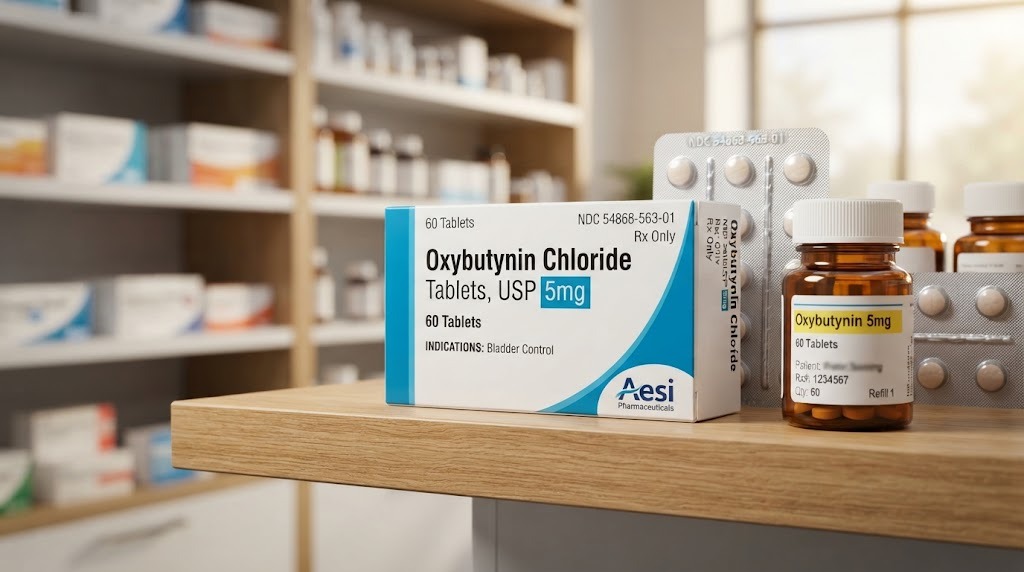
Oxybutynin chloride is a prescription medicine commonly used to manage certain bladder-control problems. If you experience a sudden need to urinate, frequent trips to the bathroom, or urine leakage caused by an overactive bladder, a healthcare professional may consider oxybutynin as part of your treatment plan.
The medicine belongs to a group of drugs called anticholinergics. It works mainly by relaxing the smooth muscle of the bladder, which can help the bladder hold urine more comfortably and reduce some of the unwanted contractions that cause urgency and leakage.
Understanding what oxybutynin chloride is used for can help patients have more informed conversations with their healthcare professionals. However, the medication is not appropriate for everyone, and the correct dose and formulation depend on several individual factors.
This guide explains the common uses of oxybutynin chloride, how it works, its potential benefits, common side effects, safety considerations, dosage forms, and important questions patients may have before using it.
What Is Oxybutynin Chloride Used For?
Oxybutynin chloride is the chloride salt form of oxybutynin, a medication used primarily to treat symptoms associated with an overactive bladder. It can help reduce bladder muscle activity when the bladder contracts too often or at inappropriate times.
The bladder normally stores urine until it is convenient to empty it. As the bladder fills, signals between the bladder, nerves, and brain help coordinate urination. With an overactive bladder, the bladder muscle can contract suddenly, creating a strong urge to urinate even when the bladder is not full.
Oxybutynin works by blocking the action of acetylcholine at certain receptors. Acetylcholine is a chemical messenger involved in stimulating bladder muscle contractions. By reducing this signaling, oxybutynin can help relax the bladder muscle.
The medication is available in several formulations. Depending on the product, it may be taken orally or applied through the skin. Different formulations can have different dosing schedules and instructions, so patients should follow the directions provided with their specific prescription.
What Is Oxybutynin Chloride Used For?
Oxybutynin chloride is mainly used to manage symptoms associated with an overactive bladder. These symptoms may include a sudden urge to urinate, frequent urination, and urge urinary incontinence.
Overactive Bladder
Overactive bladder, often shortened to OAB, describes a group of urinary symptoms that can interfere with normal daily activities. A person with OAB may feel that they need to urinate much more often than usual or may experience sudden, difficult-to-control urges.
Oxybutynin may help by relaxing the bladder muscle and allowing the bladder to store urine for longer periods between bathroom visits.
Urinary Urgency
Urinary urgency refers to a sudden, strong need to urinate that can be difficult to postpone. For some people, these urges can appear unexpectedly during work, travel, school, shopping, or social activities.
By reducing involuntary bladder contractions, oxybutynin may help decrease the frequency or intensity of these symptoms.
Urge Urinary Incontinence
Some people experience urine leakage shortly after feeling a sudden urge to urinate. This is commonly called urge urinary incontinence.
Oxybutynin may be prescribed to help reduce bladder contractions that contribute to this type of leakage. Treatment is usually individualized because urinary incontinence can have several different causes.
Frequent Urination
Frequent urination can occur for many reasons, including excessive fluid intake, certain medical conditions, infections, medications, and bladder disorders. When frequent urination is related to overactive bladder, oxybutynin may help reduce the number of unwanted bladder contractions.
It is important to identify the underlying reason for frequent urination rather than assuming that oxybutynin is appropriate for every person experiencing this symptom.
How Does Oxybutynin Chloride Work?
Oxybutynin primarily works by reducing the effect of acetylcholine on certain receptors in the bladder.
The bladder contains a muscle called the detrusor muscle. This muscle contracts when the bladder needs to empty. Acetylcholine plays a role in signaling the muscle to contract.
When bladder contractions happen too frequently or without enough warning, symptoms such as urgency and leakage can occur.
Oxybutynin blocks certain muscarinic receptors, reducing acetylcholine’s ability to stimulate the bladder muscle. As a result, the bladder muscle can relax, which may increase the amount of urine the bladder can hold and reduce involuntary contractions.
Why Bladder Relaxation Matters
A bladder that contracts too often may create the sensation that it needs to empty even when it contains a relatively small amount of urine.
Relaxing the bladder can help improve its storage function. This may give a person more time to reach the bathroom and may reduce unexpected leakage.
The exact response varies from person to person. Some individuals notice improvement in symptoms, while others may experience side effects that affect whether the medication remains suitable for them.
What Are the Main Benefits of Oxybutynin Chloride?
The potential benefits of oxybutynin are mainly related to improving bladder-control symptoms.
Better Control Over Urination
By reducing unwanted bladder contractions, oxybutynin may help some people gain greater control over when they urinate.
This can be particularly useful for people whose bladder symptoms interfere with everyday activities.
Fewer Sudden Urges
Some patients may experience fewer episodes of sudden urinary urgency while taking oxybutynin as prescribed.
Reducing urgency can make it easier to plan activities without constantly worrying about finding a bathroom.
Reduced Urine Leakage
For people whose leakage is associated with an overactive bladder, treatment may reduce episodes of urge-related urinary incontinence.
However, oxybutynin does not treat every type of urinary incontinence. A healthcare professional may need to determine whether the symptoms are caused by overactive bladder or another condition.
Improved Daily Comfort
Bladder symptoms can affect sleep, work, exercise, travel, and social activities. Managing those symptoms may help some people feel more comfortable during their normal routines.
The goal of treatment is not simply to reduce bathroom visits. It is also to improve bladder control and daily quality of life while keeping side effects manageable.
Oxybutynin Chloride Dosage Forms
Oxybutynin is available in different formulations. The appropriate form depends on the individual’s medical needs and the specific product prescribed.
Immediate-Release Oral Tablets
Immediate-release oxybutynin tablets release the medication relatively quickly after they are taken.
These tablets may need to be taken more than once a day depending on the prescription. Patients should follow the exact schedule given by their healthcare professional.
Extended-Release Tablets
Extended-release formulations are designed to release oxybutynin gradually over time.
They may be taken less frequently than some immediate-release formulations. Extended-release tablets should generally be handled according to the product instructions and should not be altered unless a healthcare professional specifically says it is appropriate.
Oral Solution
Some oxybutynin products are available as an oral liquid. This can be useful for people who have difficulty swallowing tablets or for situations where a liquid formulation is specifically prescribed.
The measuring device supplied with the medicine should be used when applicable rather than estimating the dose with an ordinary household spoon.
Transdermal Patch
Oxybutynin is also available in transdermal formulations in some markets. A patch delivers medication through the skin.
The patch must be applied according to the product’s instructions. The location, replacement schedule, and skin-care requirements can vary between products.
Topical Gel
Certain oxybutynin products are formulated as topical gels. These deliver the medicine through the skin rather than through the digestive system.
Patients using topical formulations should follow instructions carefully because improper application can affect absorption or increase the risk of transferring the medication to another person.
Common Side Effects of Oxybutynin Chloride
Like all medications, oxybutynin can cause side effects. Because oxybutynin has anticholinergic effects, many of its common side effects are related to reduced secretions and changes in smooth muscle activity.
Dry Mouth
Dry mouth is one of the commonly reported effects of oxybutynin.
Some people may find that their mouth feels unusually dry or that they need to drink fluids more frequently. Good oral hygiene is particularly important when persistent dry mouth occurs.
Constipation
Oxybutynin can slow certain movements of the digestive system, which may contribute to constipation.
Increasing dietary fiber and maintaining appropriate fluid intake may help some people, although anyone with medical conditions that restrict fluids should follow their healthcare professional’s advice.
Headache
Headache can occur while taking oxybutynin. If headaches are persistent, severe, or unusual, it is reasonable to discuss them with a healthcare professional.
Dizziness
Some people may experience dizziness while taking oxybutynin. Anyone who feels dizzy should be cautious with activities that require alertness until they know how the medicine affects them.
Blurred Vision
Changes in vision, including blurred vision, can occur because of anticholinergic effects.
If vision changes are significant or sudden, medical advice should be sought.
Drowsiness
Oxybutynin can cause drowsiness in some people. The effect can vary depending on the individual and other medications being taken.
Patients should understand how they respond to the medicine before participating in activities that require full alertness.
Serious Side Effects and Safety Concerns
Most side effects are not emergencies, but certain symptoms require prompt medical attention.
Difficulty Emptying the Bladder
Because oxybutynin relaxes the bladder, it can sometimes make it harder to empty the bladder completely.
People who develop significant difficulty urinating should contact a healthcare professional promptly.
Severe Allergic Reactions
Although uncommon, serious allergic reactions can occur with medications.
Symptoms such as swelling of the face or throat, difficulty breathing, or widespread severe allergic symptoms require urgent medical attention.
Severe Confusion or Mental Changes
Anticholinergic medicines can sometimes cause confusion or other changes in mental functioning, particularly in susceptible individuals.
New or severe mental changes should be discussed with a healthcare professional promptly.
Reduced Sweating and Heat-Related Problems
Oxybutynin can reduce sweating. Sweating helps the body cool itself, so reduced sweating can increase the risk of overheating, particularly in hot environments.
People taking oxybutynin should be aware of this possibility and take appropriate precautions in very hot conditions.
Who May Need Extra Caution With Oxybutynin?
Oxybutynin is not suitable for everyone. Certain health conditions may increase the risk of complications.
People With Urinary Retention
People who already have difficulty emptying their bladder may need special consideration before using oxybutynin.
Because the medication can reduce bladder contractions, it may worsen urinary retention in some circumstances.
People With Certain Gastrointestinal Conditions
Anticholinergic medications can affect movement through the digestive tract.
Anyone with a history of certain intestinal or stomach problems should tell their healthcare professional before starting oxybutynin.
People With Glaucoma
Some forms of glaucoma can be affected by anticholinergic medicines.
Patients with glaucoma or a history of eye-pressure problems should discuss their condition with their healthcare professional before using oxybutynin.
Older Adults
Older adults may be more sensitive to anticholinergic effects such as confusion, dizziness, constipation, and dry mouth.
Healthcare professionals may consider age and overall health when deciding whether oxybutynin is appropriate.
Oxybutynin Chloride and Drug Interactions
Oxybutynin can interact with other medications. The risk depends on the medicines being combined and the individual’s health.
Other Anticholinergic Medicines
Taking multiple medications with anticholinergic effects can increase the likelihood of side effects such as dry mouth, constipation, blurred vision, urinary retention, and confusion.
Patients should provide their healthcare professional with a complete list of prescription medicines, over-the-counter products, and supplements.
Medicines That Cause Drowsiness
Some medicines can make people sleepy or less alert. When combined with oxybutynin, these effects may become more noticeable in some individuals.
This is one reason it is important to discuss all current medications with a healthcare professional.
Medicines That Affect Oxybutynin Metabolism
Certain medications can affect how oxybutynin is processed by the body.
A healthcare professional or pharmacist can review the medication list and determine whether adjustments or additional monitoring are needed.
Can Oxybutynin Be Used Every Day?
Oxybutynin may be prescribed for regular daily use when a healthcare professional determines that ongoing treatment is appropriate.
The exact schedule depends on the formulation and the individual’s symptoms and response.
Oxybutynin is commonly used to manage overactive bladder symptoms such as sudden urinary urgency, frequent urination, and urge urinary incontinence. The MedlinePlus Oxybutynin Drug Information provides additional information about how oxybutynin works, its uses, precautions, and possible side effects.
Taking more than prescribed does not necessarily improve bladder control and can increase the risk of side effects. Patients should follow their prescription rather than changing the dose on their own.
If symptoms continue despite treatment, the appropriate response is usually to discuss the situation with a healthcare professional rather than simply taking more medication.
How Long Does Oxybutynin Take to Work?
The time required to notice improvement can vary depending on the formulation and the individual.
Some people may notice changes in bladder symptoms relatively early, while others may need longer before they can determine whether the treatment is helping.
The full effect should be evaluated according to the treatment plan provided by the prescribing healthcare professional.
It is also important to consider side effects. A medicine may reduce urinary symptoms but still require adjustment if adverse effects become difficult to tolerate.
What Happens If You Miss a Dose?
The appropriate response to a missed dose depends on the formulation and the timing of the missed dose.
In general, patients should follow the instructions supplied with their specific medication. Taking an extra dose to compensate for a missed dose may increase the risk of side effects.
If there is uncertainty about what to do after missing a dose, a pharmacist or healthcare professional can provide advice based on the specific product being used.
Oxybutynin and Lifestyle Measures
Medication is not always the only part of managing an overactive bladder.
Healthcare professionals may also recommend lifestyle and behavioral approaches depending on the person’s symptoms.
Bladder Training
Bladder training involves gradually working toward longer intervals between bathroom visits. It can be part of a broader treatment strategy for some people with urinary urgency or frequency.
Managing Fluid Intake
Drinking an appropriate amount of fluid is important, but excessive fluid intake can increase urinary frequency.
At the same time, severely restricting fluids can lead to dehydration and other problems. Fluid recommendations should therefore be individualized.
Reducing Bladder Irritants
Some people notice that beverages such as caffeine-containing drinks make urgency or frequency worse.
A healthcare professional may suggest identifying personal triggers and adjusting intake where appropriate.
Pelvic Floor Exercises
Pelvic floor muscle exercises may help some people improve bladder control.
These exercises are different from medication and may be recommended as part of a comprehensive approach to urinary symptoms.
Oxybutynin Chloride vs. Other Overactive Bladder Treatments
Oxybutynin is only one treatment option for overactive bladder symptoms.
Other medications work through different mechanisms, and some people may also benefit from behavioral therapies, pelvic floor training, lifestyle changes, or other approaches.
There is no single treatment that works identically for everyone.
A healthcare professional may consider symptom severity, age, other health conditions, current medications, side effects, and previous treatment response when selecting an option.
The main goal is to improve bladder symptoms while maintaining an acceptable safety and side-effect profile.
Is Oxybutynin a Cure for Overactive Bladder?
Oxybutynin can help manage symptoms, but it should not automatically be considered a permanent cure for the underlying reason a person has bladder problems.
Overactive bladder can have multiple contributing factors. Some people may need ongoing management, while others may experience changes in symptoms over time.
If symptoms change significantly, become worse, or develop suddenly, further evaluation may be necessary.
Important Safety Tips When Taking Oxybutynin
Taking oxybutynin safely involves more than simply following the prescribed dose.
Patients should take the medicine exactly as directed and avoid changing the dose without professional guidance.
It is also important to tell healthcare professionals about existing medical conditions, allergies, and all medications being taken.
People should pay attention to symptoms such as severe difficulty urinating, major vision changes, unusual confusion, serious allergic reactions, or signs of overheating.
Because oxybutynin can cause dizziness or drowsiness in some people, caution may be appropriate when first starting treatment or when the dose changes.
FAQs
What is oxybutynin chloride mainly used for?
Oxybutynin chloride is mainly used to manage symptoms associated with an overactive bladder, including urinary urgency, frequent urination, and urge urinary incontinence.
Does oxybutynin stop frequent urination?
Oxybutynin may reduce frequent urination when the frequency is related to involuntary bladder contractions or overactive bladder. It does not treat every possible cause of frequent urination.
Does oxybutynin help bladder leakage?
It may help reduce urine leakage associated with urge urinary incontinence by reducing unwanted bladder contractions.
Does oxybutynin make you sleepy?
Drowsiness can occur in some people taking oxybutynin. Individual responses vary, and other medications can also influence alertness.
Can oxybutynin cause constipation?
Yes. Constipation is a commonly reported side effect because oxybutynin has anticholinergic effects that can influence the digestive system.
Can oxybutynin cause dry mouth?
Yes. Dry mouth is one of the more common side effects associated with oxybutynin.
Can you take oxybutynin every day?
Some people are prescribed oxybutynin for regular daily use. The appropriate schedule depends on the specific formulation and the individual’s treatment plan.
What should you avoid while taking oxybutynin?
Patients should follow their healthcare professional’s advice regarding activities, medications, and substances that may worsen side effects. It is especially important to discuss other medicines that may cause drowsiness or have anticholinergic effects.
Is oxybutynin safe for everyone?
No medication is appropriate for everyone. Certain medical conditions, medications, age-related factors, and individual circumstances can affect whether oxybutynin is suitable.
What should I do if oxybutynin causes troublesome side effects?
Do not simply stop or change the medication without professional advice unless you are experiencing an emergency that requires immediate medical care. Contact your healthcare professional or pharmacist to discuss persistent or troublesome side effects.
Final Thoughts
Oxybutynin chloride is an established medication used mainly to manage symptoms associated with an overactive bladder. By reducing the activity of certain bladder-muscle signals, it can help some people experience fewer sudden urges, less frequent urination, and fewer episodes of urge-related urine leakage. For people whose bladder symptoms interfere with work, sleep, travel, or everyday activities, improving bladder control can make a meaningful difference.
At the same time, oxybutynin is not suitable for everyone, and its benefits need to be considered alongside possible side effects. Dry mouth, constipation, dizziness, blurred vision, and drowsiness are among the effects that some people may experience. More serious problems, including significant difficulty urinating, severe allergic reactions, or major mental or vision changes, require prompt medical attention.
The right dose and formulation depend on the individual and the specific product prescribed. People should take oxybutynin exactly as directed and discuss other medicines, existing health conditions, and troublesome symptoms with a healthcare professional. If you are considering oxybutynin for bladder symptoms, professional guidance can help determine whether it is an appropriate option and whether other treatments may also be useful.