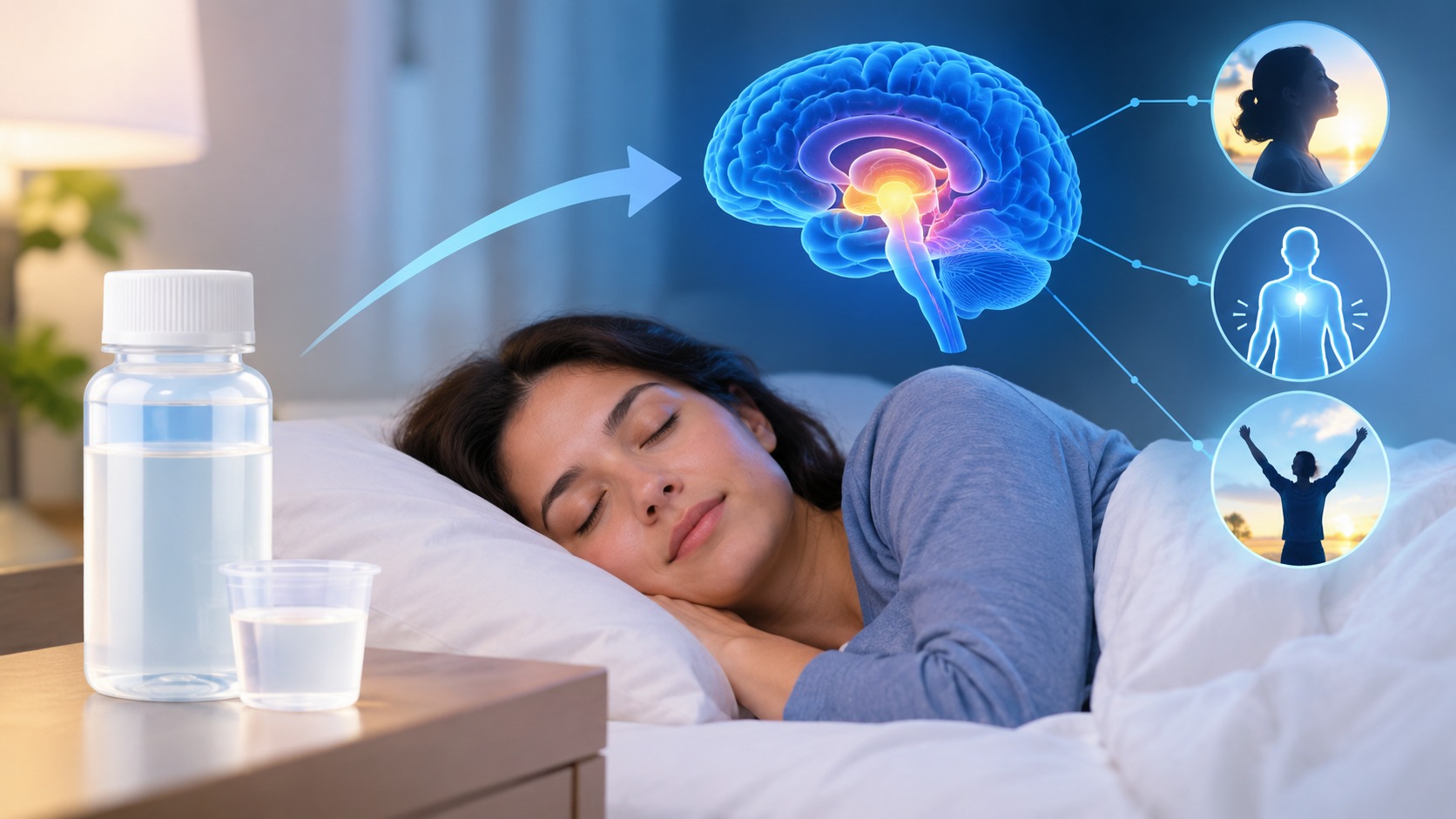
Narcolepsy can make ordinary daytime activities surprisingly difficult. A person may feel overwhelmingly sleepy during the day, struggle to stay alert, or experience sudden episodes of muscle weakness called cataplexy. At the same time, nighttime sleep can be fragmented rather than truly restorative. Because narcolepsy affects the normal boundary between sleep and wakefulness, treatment often focuses on controlling the symptoms that interfere most with everyday life.
One medication used for certain people with narcolepsy is Xywav. Xywav is a prescription medicine containing calcium, magnesium, potassium, and sodium oxybates. In the United States, it is approved for the treatment of cataplexy or excessive daytime sleepiness in patients 7 years of age and older with narcolepsy.
So, how does Xywav help narcolepsy? The medication belongs to a group of medicines known as oxybates and acts as a central nervous system depressant. Its effects on nighttime sleep can help address important symptoms of narcolepsy, including excessive daytime sleepiness and cataplexy. However, Xywav is not a cure for narcolepsy, and its benefits and risks need to be considered by a qualified healthcare professional.
What Is Xywav?
Xywav is the brand name for a prescription oral solution containing calcium, magnesium, potassium, and sodium oxybates. The medication contains oxybate, which is also the active moiety associated with sodium oxybate products used in narcolepsy treatment.
The U.S. Food and Drug Administration approved Xywav for the treatment of cataplexy or excessive daytime sleepiness in people with narcolepsy who are 7 years of age or older. Xywav also has a separate FDA-approved indication for idiopathic hypersomnia in adults.
Xywav is different from an ordinary stimulant. Rather than simply attempting to make someone feel more awake during the daytime, oxybate treatment is associated with effects on nighttime sleep and can improve important symptoms of narcolepsy.
Because Xywav affects the central nervous system and carries serious safety warnings, it is a medication that requires careful medical supervision. The FDA prescribing information includes warnings concerning central nervous system depression, respiratory depression, abuse and misuse, and other potentially serious effects.
What Is Narcolepsy?
Narcolepsy is a chronic neurological sleep disorder that affects the regulation of sleep and wakefulness. People with narcolepsy can experience excessive daytime sleepiness even when they appear to have spent enough time in bed.
The condition can also involve sudden transitions between sleep and wakefulness. Some people experience cataplexy, a sudden temporary loss of muscle control that can occur in response to strong emotions. Other symptoms can include disrupted nighttime sleep, sleep paralysis, and dream-like experiences around the transition between sleep and wakefulness.
Narcolepsy is generally divided into two major types.
Narcolepsy Type 1
Narcolepsy type 1 is commonly associated with cataplexy and abnormalities involving the brain’s orexin system. Orexin, also known as hypocretin, is involved in maintaining wakefulness and regulating sleep.
Narcolepsy Type 2
Narcolepsy type 2 involves excessive daytime sleepiness but does not typically include cataplexy. The underlying biology can differ from type 1, which is one reason treatment decisions need to be individualized.
Narcolepsy does not simply mean that someone is tired after a poor night’s sleep. It is a medical condition that can significantly affect concentration, school or work performance, social activities, and daily routines.
How Does Xywav Help Narcolepsy?
Xywav is approved to treat two major narcolepsy symptoms: cataplexy and excessive daytime sleepiness.
The medication works differently from many daytime wake-promoting treatments. Xywav is taken as part of a nighttime treatment approach, and its effects on sleep are believed to contribute to improvements in important daytime symptoms.
For someone with narcolepsy, nighttime sleep may be fragmented or abnormal even when they spend many hours in bed. Improving aspects of nighttime sleep can therefore be an important part of managing the condition.
Research and FDA-reviewed clinical information support the use of oxybate therapy for narcolepsy symptoms. The FDA’s information on Xywav identifies reduction of excessive daytime sleepiness and cataplexy as its approved narcolepsy-related uses.
The response is not necessarily identical for everyone. Some people may experience meaningful symptom improvement, while others may experience side effects or need a different treatment strategy. A healthcare professional can determine whether Xywav is appropriate based on the person’s diagnosis, symptoms, medical history, and other medicines.
How Does Xywav Work?
Xywav contains oxybate, which affects the central nervous system. Its precise mechanism of action in treating narcolepsy symptoms is complex, and the relationship between its nighttime effects and daytime symptom improvement is not completely explained by a single mechanism.
One important aspect is that oxybate treatment affects sleep during the night. Narcolepsy involves abnormal sleep regulation, so addressing nighttime sleep may influence how a person functions during the following day.
The FDA describes Xywav as a central nervous system depressant. This is important because the same effects that contribute to its therapeutic activity can also cause significant risks, particularly when the medicine is combined with other substances that depress the central nervous system.
This is one reason Xywav should be used only under appropriate medical supervision.
Xywav and Excessive Daytime Sleepiness
Excessive daytime sleepiness, often abbreviated as EDS, is one of the most disruptive symptoms of narcolepsy.
A person with EDS may feel an overwhelming need to sleep during the day despite getting what appears to be sufficient nighttime sleep. This can interfere with studying, working, conversations, hobbies, and other everyday activities.
Xywav is specifically approved to reduce excessive daytime sleepiness in patients with narcolepsy.
The goal is not simply to make a person feel temporarily stimulated. Instead, oxybate therapy is part of a treatment approach that addresses the abnormal sleep-wake pattern associated with narcolepsy.
Improvement in daytime sleepiness can be meaningful because persistent sleepiness can affect many parts of daily life. Better symptom control may make it easier for some people to remain engaged in normal daytime activities, although individual results vary.
Xywav and Cataplexy
Cataplexy is another major symptom associated with narcolepsy, particularly narcolepsy type 1.
During a cataplexy episode, a person can experience a sudden temporary loss of muscle control while remaining conscious. Emotional triggers such as laughter, excitement, surprise, or other strong feelings can sometimes be associated with these episodes.
Xywav is FDA-approved for the treatment of cataplexy in patients with narcolepsy.
Reducing cataplexy can be an important treatment goal because frequent episodes can interfere with normal activities and may create concerns about safety and independence.
However, the medication should not be viewed as a permanent cure for the underlying neurological condition. It is intended to help manage symptoms.
Why Nighttime Sleep Matters in Narcolepsy
It can seem unusual that a medication used at night can help with symptoms that are especially noticeable during the day.
The reason is that narcolepsy affects the entire sleep-wake system. A person may experience excessive sleepiness during the day while also having disrupted or abnormal sleep at night.
A treatment that affects nighttime sleep can therefore have consequences for daytime functioning.
This concept is important when understanding Xywav. The medication is not simply a conventional daytime alertness drug. Its role in narcolepsy treatment is connected to its effects on sleep and its ability to reduce specific symptoms of the disorder.
What Benefits Can Xywav Provide?
The FDA-approved narcolepsy benefits of Xywav center on two important symptoms: excessive daytime sleepiness and cataplexy.
Reduction in Excessive Daytime Sleepiness
For people whose narcolepsy includes significant daytime sleepiness, reducing EDS can help address one of the condition’s most disruptive symptoms.
Reduction in Cataplexy
For people who experience cataplexy, reducing the frequency or severity of episodes can be an important treatment objective.
Support for Better Sleep-Wake Management
Because oxybate treatment acts during nighttime sleep, its role is different from treatments designed primarily to promote wakefulness during the day.
Potential Improvement in Daily Functioning
When major symptoms become better controlled, some people may find everyday activities easier to manage. However, the degree of improvement varies from person to person.
What Should People Know Before Starting Xywav?
Xywav is a powerful prescription medication, so understanding its safety information is essential.
The FDA prescribing information carries a boxed warning for central nervous system depression and abuse and misuse. Serious breathing problems can occur, and the medicine can cause substantial sedation.
The FDA also warns against combining Xywav with alcohol or other medicines that can cause sleepiness or slow breathing unless specifically directed by a healthcare professional. Such combinations can increase the risk of serious adverse effects.
Patients should tell their healthcare professional about other prescription medicines, over-the-counter products, and substances they use. This information can help the healthcare professional identify potential interactions and safety concerns.
Common Side Effects of Xywav
Like other prescription medicines, Xywav can cause side effects.
In an adult clinical study of patients with narcolepsy, commonly observed adverse reactions included headache, nausea, dizziness, decreased appetite, parasomnia, diarrhea, increased sweating, anxiety, and vomiting.
Not everyone experiences these effects, and their severity can vary.
Nausea, headache, or dizziness may be particularly noticeable when treatment begins. Some adverse reactions in the clinical study tended to occur early in treatment and diminish over time, although this does not mean every person will have the same experience.
Any concerning or unusual symptoms should be discussed with the prescribing healthcare professional.
Serious Safety Considerations
Xywav has important safety warnings that should not be overlooked.
Central Nervous System Depression
Because Xywav is a central nervous system depressant, it can cause significant sedation and other effects on the brain and nervous system.
Breathing Problems
The prescribing information warns that respiratory depression and sleep-disordered breathing can occur. This is particularly important for people who already have breathing-related sleep problems or who use other substances that can depress the central nervous system.
Abuse and Misuse
Xywav contains oxybate, and the FDA requires special safety controls because of the risks associated with abuse and misuse. Xywav is therefore distributed through the XYWAV and XYREM Risk Evaluation and Mitigation Strategy, or REMS, program.
Other Possible Serious Effects
The FDA prescribing information also discusses risks involving confusion, psychiatric or behavioral reactions, passing out, parasomnias, and other serious adverse effects.
For these reasons, Xywav should be treated as a serious prescription medication rather than an ordinary sleep aid.
Xywav for Children and Adolescents With Narcolepsy
Xywav has an FDA-approved indication for cataplexy or excessive daytime sleepiness in patients 7 years of age and older with narcolepsy.
However, treatment of narcolepsy in children and adolescents requires careful medical supervision. Sleep disorders can affect learning, concentration, mood, social activities, and development, so treatment plans should consider the individual’s age and overall circumstances.
Parents or caregivers should discuss all medicines and health conditions with the child’s healthcare professional. They should also follow the prescribing information provided by the medical team rather than attempting to change treatment independently.
Xywav Compared With Other Narcolepsy Treatments
Narcolepsy treatment can involve different types of medicines and behavioral strategies.
Some medicines are primarily intended to improve wakefulness during the daytime. Others target cataplexy or other symptoms.
Xywav is distinctive because oxybate therapy is associated with nighttime sleep and is approved for both cataplexy and excessive daytime sleepiness in narcolepsy.
There are also other oxybate products. For example, Xyrem contains sodium oxybate, while Xywav contains calcium, magnesium, potassium, and sodium oxybate. The FDA has described Xywav as providing a substantially reduced chronic sodium burden compared with Xyrem.
Another oxybate product, Lumryz, uses an extended-release formulation designed for once-nightly administration and is also FDA-approved for cataplexy or excessive daytime sleepiness associated with narcolepsy.
These medicines should not be treated as interchangeable simply because they are related. Their formulations, dosing schedules, and prescribing considerations can differ.
Does Xywav Cure Narcolepsy?
No. Xywav is used to manage symptoms of narcolepsy rather than eliminate the underlying disorder.
Narcolepsy is a chronic neurological condition. Current treatment generally focuses on controlling symptoms and helping people maintain a safer and more manageable daily routine.
This distinction is important because symptom improvement does not necessarily mean that the underlying condition has disappeared.
A person may still need ongoing medical care even when treatment is working well.
How Long Does Xywav Take to Help?
The response to Xywav can vary between individuals.
Clinical studies evaluate treatment over defined periods, but a person’s experience can depend on factors such as the type and severity of narcolepsy, other health conditions, other medications, and sensitivity to side effects.
Patients should not assume that a particular timeline applies to everyone. Instead, they should discuss their response with the healthcare professional managing their narcolepsy.
The FDA medication information also notes that people can become sleepy relatively quickly after taking Xywav, which is one reason its use requires careful adherence to prescribed safety instructions.
Why Medical Supervision Matters
Narcolepsy treatment is not simply about choosing a medication and taking it indefinitely. Healthcare professionals may need to evaluate symptoms, treatment response, side effects, sleep patterns, and other health factors.
Xywav also has significant safety considerations, including interactions with alcohol and other central nervous system depressants.
A healthcare professional can determine whether Xywav is appropriate and monitor for problems that may require changes in treatment.
People should never change a prescribed medication regimen on their own.
FAQs
How does Xywav help narcolepsy?
Xywav is FDA-approved to treat cataplexy or excessive daytime sleepiness in patients 7 years of age and older with narcolepsy. It is an oxybate medication that acts on the central nervous system and is used as part of nighttime treatment.
Does Xywav help excessive daytime sleepiness?
Yes. Reducing excessive daytime sleepiness is one of the FDA-approved uses of Xywav for people with narcolepsy.
Can Xywav help cataplexy?
Yes. Xywav is also FDA-approved for the treatment of cataplexy associated with narcolepsy.
Is Xywav a stimulant?
No. Xywav is classified as a central nervous system depressant rather than a traditional stimulant. Its effects and safety profile are therefore different from medications primarily used to promote daytime wakefulness.
Does Xywav cure narcolepsy?
No. Xywav helps manage specific symptoms of narcolepsy but does not cure the underlying chronic neurological disorder.
Is Xywav safe for everyone with narcolepsy?
Not necessarily. A healthcare professional must consider the person’s medical history, other medicines, and potential risks before prescribing it. Xywav carries serious warnings involving central nervous system depression, respiratory depression, and abuse and misuse.
Can Xywav be combined with alcohol?
The FDA medication information warns people taking Xywav not to drink alcohol because combining alcohol with Xywav can increase the risk of serious central nervous system and breathing-related effects.
Can Xywav interact with other medicines?
Yes. Certain medicines can increase the risks associated with Xywav, particularly medicines that cause sleepiness or depress the central nervous system. A healthcare professional should review all medications and supplements before treatment.
Is Xywav available through a normal pharmacy?
Xywav is subject to the XYWAV and XYREM REMS, a restricted distribution program intended to manage known or potential serious risks associated with the medication. (FDA Access Data)
What should someone do if they experience concerning side effects?
They should contact their healthcare professional for medical guidance. Serious symptoms, particularly significant breathing problems, severe confusion, loss of consciousness, or other urgent reactions, require prompt medical attention.
Final Thoughts
Xywav plays an important role in the treatment of certain symptoms associated with narcolepsy. The medication is FDA-approved for reducing excessive daytime sleepiness and treating cataplexy in patients 7 years of age and older with narcolepsy.
What makes Xywav different from many daytime treatments is its relationship with nighttime sleep and the oxybate component of the medication. By addressing an important part of the abnormal sleep-wake pattern associated with narcolepsy, treatment can help reduce symptoms that affect daytime life.
At the same time, Xywav is not a cure for narcolepsy and is not appropriate for everyone. It is a powerful prescription medicine with significant safety considerations, including central nervous system depression, breathing-related risks, and the potential for abuse and misuse.
Anyone considering Xywav should discuss its potential benefits and risks with a qualified healthcare professional. Understanding both sides of treatment is essential for making informed decisions about narcolepsy management. With appropriate medical care, symptom monitoring, and a treatment plan tailored to the individual, people with narcolepsy can work toward better control of symptoms and improved daily functioning.