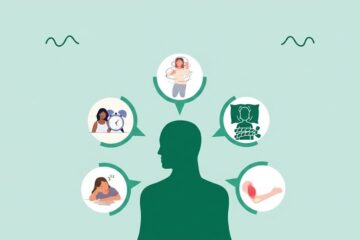
Narcolepsy is a long-term neurological sleep disorder that can significantly affect a person’s daily life. It is commonly associated with excessive daytime sleepiness and sudden episodes of sleep, and some people also experience cataplexy, which involves a sudden loss of muscle control. Other symptoms can include sleep paralysis, vivid dream-like experiences around sleep, disrupted nighttime sleep, and difficulty maintaining alertness. Because the condition can look different from one person to another, knowing how to help someone with narcolepsy starts with understanding their individual symptoms and needs.
Supporting someone with narcolepsy is not simply about reminding them to sleep more. Narcolepsy is not caused by ordinary tiredness or a lack of motivation, and a person cannot always control when they become sleepy. Helpful support involves patience, understanding, communication, safety awareness, and respect for the person’s independence. Family members, friends, partners, coworkers, teachers, and caregivers can all play a meaningful role by learning about the condition and responding appropriately when symptoms occur.
Understanding Narcolepsy Before Offering Support
One of the most important ways to help someone with narcolepsy is to understand what the condition actually involves. Excessive daytime sleepiness is often one of the most noticeable symptoms. A person may struggle to remain awake and focused even after getting what appears to be enough nighttime sleep. Sudden sleep episodes can occur during the day, and the person may have difficulty controlling them. These symptoms can interfere with work, education, social activities, household responsibilities, and other ordinary parts of life.
It is also important to understand that narcolepsy does not affect everyone in exactly the same way. Some people experience cataplexy, while others do not. Cataplexy involves a sudden temporary loss of muscle tone and may be associated with strong emotions. A person experiencing cataplexy may have weakness in the face, jaw, arms, legs, or other muscles and may sometimes fall. Sleep paralysis and vivid experiences associated with falling asleep or waking can also occur.
Learning about these symptoms can prevent misunderstandings. A person who appears distracted, sleepy, or unable to respond normally may not be ignoring someone or behaving irresponsibly. Their symptoms may be part of their neurological sleep disorder. Understanding this distinction is an important foundation for providing respectful and useful support.
How to Help Someone With Narcolepsy
If you want to know how to help someone with narcolepsy, start by asking what kind of support they actually want. Narcolepsy is a personal condition, and the most helpful response can vary depending on the person’s symptoms, treatment, daily schedule, and level of independence. Rather than assuming what they need, have an open conversation about what happens when their symptoms become difficult and how you can assist.
Good communication can make support more effective. Ask whether they want you to remind them about scheduled activities, help create a safer environment, accompany them to appointments, or simply be available when symptoms become difficult. Some people may appreciate practical assistance, while others may prefer to manage most things themselves. Respecting those preferences can help maintain trust and independence.
It is also useful to learn the person’s typical symptoms. Knowing how their daytime sleepiness usually appears, whether they experience cataplexy, and what their healthcare professional has recommended can help you respond calmly. However, personal support should not replace professional medical advice. Treatment decisions should be made with an appropriate healthcare professional.
Be Patient With Excessive Daytime Sleepiness
Excessive daytime sleepiness can be one of the most challenging aspects of narcolepsy. A person may struggle to remain alert during conversations, meetings, classes, work, or other activities. They may need planned naps or short periods of rest to manage their symptoms. Regular sleep schedules and planned daytime naps can be part of narcolepsy management.
Patience is therefore extremely important. Avoid interpreting sleepiness as laziness, carelessness, or a lack of interest. Criticism is unlikely to improve the person’s ability to stay awake and may instead make them feel embarrassed or misunderstood. A supportive environment allows the person to manage symptoms without feeling that they constantly have to defend themselves.
If the person falls asleep unexpectedly, remain calm. If the situation is safe, allowing them to rest may be more helpful than repeatedly trying to force them to stay awake. If they are in a situation where falling asleep could create immediate danger, safety should take priority.
Help Create a Safe Environment
Safety is an important part of supporting someone with narcolepsy because sudden sleepiness or loss of muscle control can sometimes result in accidents or injuries. Narcolepsy can increase risks in situations involving driving, cooking, machinery, heights, water, or other activities where sudden sleep could have serious consequences.
A supportive person can help identify situations that may be unsafe and discuss ways to reduce unnecessary risks. This does not mean treating the person as incapable. Instead, it means working together to identify reasonable safety measures based on their symptoms and medical guidance.
Driving deserves particular attention. Someone experiencing uncontrolled sleepiness should not drive when they are too sleepy to do so safely. Driving requirements and restrictions can also vary depending on the person’s location and circumstances. The person should follow the guidance of their healthcare professional and the applicable driving authority.
How to Respond During Cataplexy
Cataplexy can be frightening to witness if you do not understand what is happening. It involves a sudden temporary loss of muscle tone and can range from mild weakness to more pronounced loss of control. Strong emotions can trigger episodes in some people.
If someone experiences cataplexy, try to remain calm. The most useful response is generally to help maintain their physical safety without creating unnecessary panic. If they are losing their balance, help prevent them from hitting a dangerous surface when it can be done safely. Give them time to recover rather than pressuring them to immediately stand, walk, or continue an activity.
It is important not to make the episode a source of embarrassment. Cataplexy is a symptom of the condition, not something the person chooses to do. Treating the person with dignity can make a significant difference, especially if episodes occur in public or social situations.
If the episode results in an injury or there is another medical concern, appropriate medical assistance should be sought. If you are unsure whether an event is cataplexy or another medical emergency, it is safer to seek professional help rather than assuming the cause.
Learn What the Person Wants During an Episode
People living with narcolepsy often know their symptoms better than anyone else. One of the best ways to support them is to ask beforehand what they want others to do if an episode occurs.
The person may have specific instructions for dealing with sleepiness, cataplexy, or other symptoms. They may prefer to rest somewhere quiet, have someone nearby, or simply be given privacy. Asking these questions when the person is feeling well allows you to understand their preferences before an unexpected situation occurs.
This approach also prevents unnecessary intervention. Not every symptom requires another person to take control. Sometimes the most supportive response is simply being present, keeping the environment safe, and allowing the person to manage the episode according to their established plan.
Support a Consistent Sleep Routine
A regular sleep schedule can be an important part of managing narcolepsy symptoms. Healthcare guidance commonly includes maintaining consistent bedtimes and wake times and using planned naps when appropriate.
Family members or partners can support this routine by respecting the person’s sleep schedule. Late-night interruptions, unnecessary pressure to stay awake, or frequently changing daily routines may make symptom management more difficult. Supporting consistency can be especially helpful when the person is trying to establish healthier sleep habits.
However, support should not become control. Adults with narcolepsy should generally remain involved in decisions about their own schedules and treatment. The goal is to make healthy routines easier, not to take away personal choice.
Encourage Medical Care Without Being Controlling
Narcolepsy generally requires professional evaluation and long-term symptom management. A sleep specialist may assess symptoms, sleep patterns, and test results to determine the appropriate diagnosis. Treatment can include medication, sleep-management strategies, and lifestyle adjustments.
Friends and family can encourage regular medical appointments and help the person keep track of questions or concerns they want to discuss with their healthcare professional. If the person experiences new symptoms, troublesome side effects, or worsening daytime sleepiness, encouraging them to discuss these changes with their medical team can be helpful.
At the same time, avoid taking control of their medication. Do not tell someone to increase, decrease, stop, or replace a prescribed medicine unless their healthcare professional has instructed them to do so. Narcolepsy medications can have side effects and interactions, so treatment changes should be medically supervised.
Understand That Treatment Can Be Different for Everyone
There is currently no cure for narcolepsy, but treatment can help manage symptoms. Depending on the individual, treatment may involve medicines that promote wakefulness, medicines that address cataplexy or other symptoms, planned naps, consistent sleep habits, and other lifestyle strategies.
This means it is not useful to compare one person’s treatment with another person’s treatment. Two people with narcolepsy may have different symptoms and different treatment plans. One person may experience significant cataplexy, while another may primarily struggle with excessive daytime sleepiness.
A supportive person should therefore avoid making assumptions about what treatment “should” work. Instead, encourage the person to work with their healthcare team to find an approach that fits their individual circumstances.
Help With School or Work When Appropriate
Narcolepsy can affect concentration, alertness, productivity, and participation in school or work. The condition may also be misunderstood by people who do not know about it. Someone who becomes sleepy during a class, meeting, or work activity may be incorrectly viewed as uninterested or unmotivated.
Support can involve encouraging communication with appropriate teachers, supervisors, or workplace personnel. Depending on the person’s situation, reasonable adjustments may help them manage their symptoms more effectively. These can include planned rest periods, schedule adjustments, changes to repetitive activities, or other accommodations recommended by appropriate professionals.
The specific accommodations available depend on the person’s circumstances, workplace or educational setting, and local laws. The person should be involved in deciding what information to share and what support they want to request.
Provide Emotional Support
Living with a chronic sleep disorder can be emotionally difficult. Narcolepsy may interfere with social activities, education, employment, relationships, and independence. The person may worry about falling asleep in public, experiencing cataplexy around other people, or being misunderstood.
Emotional support can therefore be just as important as practical support. Listen when the person wants to talk about their experiences. Take their concerns seriously and avoid minimizing their symptoms. Simple understanding can help someone feel less isolated.
It is also important to avoid making every conversation about narcolepsy. A person with a chronic condition is still a complete individual with interests, goals, relationships, responsibilities, and personal ambitions. Supporting them means recognizing the condition without allowing it to define their entire identity.
Avoid Calling Someone Lazy
One of the most harmful misunderstandings about narcolepsy is the belief that someone who frequently sleeps or struggles to stay alert is simply lazy. Excessive daytime sleepiness is a recognized symptom of narcolepsy and can have a major impact on daily functioning.
Words can have a lasting effect. Repeated criticism may cause shame, frustration, or reluctance to discuss symptoms. Instead of criticizing the person for being sleepy, focus on understanding what they are experiencing and whether they need practical support.
This does not mean that every difficulty in a person’s life is caused by narcolepsy. It simply means that symptoms should be understood in the context of the medical condition rather than automatically interpreted as a character flaw.
Be Careful With Sleepiness in Social Situations
Social situations can become uncomfortable when someone with narcolepsy becomes sleepy or falls asleep. Friends may feel unsure about what to do, particularly if they have never seen a sleep episode before.
The best approach is usually to follow the person’s preferences. If they have explained that they need to take a short nap, allow them to do so without making the situation embarrassing. If they become sleepy during a conversation, avoid making jokes at their expense.
Respect is especially important because the person may already feel self-conscious about their symptoms. A supportive friend helps create an environment where the person does not feel ashamed of needing rest.
Help Reduce Unnecessary Stigma
People with narcolepsy can experience misunderstanding because the condition is not always visible. Someone may appear healthy while dealing with significant sleepiness, disrupted sleep, or sudden muscle weakness.
Education can reduce this misunderstanding. If the person is comfortable discussing their condition, learning accurate information together can help friends and family understand why certain symptoms occur. It can also help prevent inaccurate assumptions.
However, never disclose someone’s medical information without their permission unless there is an immediate safety or emergency reason that requires appropriate action. Their health information belongs to them, and they should have control over who knows about their condition.
Encourage Healthy Daily Habits
Lifestyle habits can play a role in narcolepsy management. Healthcare sources commonly recommend consistent sleep schedules, planned naps, regular physical activity, and attention to substances or medicines that may worsen sleepiness.
Support can be as simple as respecting the person’s routine and helping make it practical. A family member may help protect planned rest periods, while a partner may support a consistent bedtime. Friends may understand when the person needs to leave an activity earlier than expected.
The goal should not be perfection. Narcolepsy is a chronic condition, and symptoms may vary. A supportive environment makes healthy routines easier to maintain without turning daily life into a constant set of rules.
Pay Attention to Medicines That Cause Drowsiness
Some medicines, including certain over-the-counter cold and allergy products, can cause drowsiness. For someone already experiencing excessive daytime sleepiness, this may be especially relevant. NHS and Mayo Clinic guidance recommend discussing potentially sedating medicines with a healthcare professional or pharmacist.
If someone with narcolepsy is considering a new medicine, encourage them to check with a qualified healthcare professional rather than guessing whether it is safe. This is particularly important when they are already taking prescription medicines for narcolepsy or other conditions.
Friends and family should not attempt to manage medication interactions themselves. A pharmacist, doctor, or other qualified healthcare professional can provide individualized advice.
Understand the Importance of Driving Safety
Driving can be an important independence issue for people with narcolepsy, but uncontrolled sleepiness can create serious safety concerns. A person who feels too sleepy to drive should not continue driving simply because they have somewhere they need to go. Mayo Clinic and NHS guidance emphasize safety around driving and recommend following professional and applicable regulatory guidance.
If you are supporting someone with narcolepsy, you can encourage honest conversations about driving safety without being judgmental. The person should discuss driving with their healthcare professional and follow the rules that apply where they live.
If someone is already experiencing significant sleepiness behind the wheel, the priority is to stop the unsafe activity and seek a safer alternative. A supportive response focuses on preventing harm rather than criticizing the person.
Help With Household Safety
Household activities can sometimes become more complicated when a person experiences sudden sleepiness or muscle weakness. Safety planning can reduce unnecessary risks.
The person and their household can consider which activities become more dangerous when alertness suddenly decreases. Depending on their symptoms, they may need to modify how certain household tasks are performed or avoid particular activities during periods of severe sleepiness.
The appropriate precautions will vary from person to person. The goal is not to create unnecessary restrictions but to identify realistic ways to reduce the possibility of injury.
Support Independence
Helping someone does not mean doing everything for them. People with narcolepsy may want to remain independent and continue working toward personal goals. Excessive assistance can sometimes make a person feel less capable, even when the intention is positive.
Ask before stepping in. If the person wants help, provide it in a way that preserves their control whenever possible. If they prefer to handle a task themselves, respect that choice unless there is an immediate safety concern.
A strong support system gives assistance when it is needed while allowing the person to make their own decisions.
Learn How to Talk About Narcolepsy
Communication can make a major difference. Use respectful language and allow the person to describe their own experience. Avoid assuming that you know how they feel simply because you have read about narcolepsy.
It can be helpful to ask direct but respectful questions about what happens during their symptoms and what they would like others to do. This creates an opportunity for the person to explain their needs without having to repeatedly correct misunderstandings.
Good communication also involves listening. Sometimes a person does not need advice. They may simply want someone to understand how difficult a particular day has been.
Support Mental and Social Well-Being
Narcolepsy can affect more than sleep. Difficulties with alertness and sudden symptoms may influence relationships, education, employment, social participation, and confidence. Some people may avoid activities because they are concerned about symptoms occurring in front of others.
Encouraging meaningful social connections can be valuable. At the same time, avoid pressuring the person to participate when they are not feeling well. A flexible approach allows them to remain socially connected without feeling that they must hide their symptoms.
Professional counseling or support groups may also be useful for some people. Healthcare sources note that counseling and support groups can help people and their loved ones cope with the challenges associated with narcolepsy.
Know When Professional Help Is Needed
Friends and family can provide valuable support, but they cannot diagnose or medically manage narcolepsy. If symptoms are worsening, interfering significantly with daily activities, or causing safety concerns, the person should discuss them with an appropriate healthcare professional.
Professional evaluation is especially important when a person has unexplained excessive daytime sleepiness, sudden sleep episodes, or symptoms suggestive of cataplexy. Diagnosis may involve a detailed sleep history, sleep records, overnight sleep testing, and daytime testing under the direction of a sleep specialist.
A healthcare professional can also determine whether other sleep or medical conditions may be contributing to symptoms. This is important because severe daytime sleepiness does not automatically mean a person has narcolepsy.
Know When an Emergency Requires Immediate Action
Narcolepsy symptoms themselves may not always require emergency treatment, but injuries and unexpected medical events can occur. If someone falls and suffers a serious injury, has significant difficulty breathing, becomes unresponsive in a way that is not consistent with their usual symptoms, or experiences another potentially life-threatening event, emergency medical assistance should be sought.
Do not assume that every unusual episode is narcolepsy. If the person’s condition looks substantially different from their usual symptoms, getting medical help is appropriate.
Understanding the person’s normal symptoms can help you recognize when something is unusual, but it should never prevent you from seeking emergency care when there is a genuine concern.
Helping a Child or Teen With Narcolepsy
Children and teenagers with narcolepsy may need support from parents, teachers, school staff, healthcare professionals, and other trusted adults. Excessive daytime sleepiness can affect learning, concentration, attendance, and participation.
It is important for adults working with a child to understand that sleepiness is not necessarily a sign of poor effort. Appropriate communication with school staff can help create a supportive environment. NHS guidance specifically notes the importance of teachers understanding narcolepsy so symptoms are not mistaken for laziness or simply staying up too late.
Parents and caregivers should also encourage the child to follow their healthcare plan while allowing them to develop age-appropriate independence. As children grow older, they can gradually become more involved in understanding and managing their condition.
Helping a Partner With Narcolepsy
When your partner has narcolepsy, support can become part of everyday life. You may need to understand their sleep schedule, recognize symptoms, and communicate about safety.
However, the relationship should not become entirely focused on caregiving. Partners still need shared activities, communication, affection, personal space, and mutual respect. Narcolepsy may require adjustments, but it does not eliminate the person’s ability to participate in a meaningful relationship.
Talking openly about changing needs can help. Symptoms and schedules may change over time, so what works at one point may need to be adjusted later.
Helping a Friend With Narcolepsy
Being a good friend often means being flexible. Someone with narcolepsy may sometimes need to rest, change plans, or leave an activity earlier than expected.
Try not to take these changes personally. The person may genuinely want to participate but be limited by their symptoms or safety needs. A flexible friendship allows room for these realities without making the person feel guilty.
You can also ask what kind of help is useful. Some friends may appreciate reminders or practical assistance, while others may prefer simply knowing that someone understands.
Helping a Coworker With Narcolepsy
If a coworker has disclosed that they have narcolepsy, treat the information respectfully. Do not share it with others without permission.
If workplace adjustments are being considered, allow the employee and appropriate workplace professionals to determine what is needed. The person may benefit from a schedule or work arrangement that accommodates their symptoms, depending on their role and local workplace rules. Mayo Clinic notes that workplace accommodations can sometimes include planned naps or adjustments to repetitive tasks.
The most important principle is to judge the person’s work based on their responsibilities and performance rather than stereotypes about narcolepsy.
What Not to Do When Helping Someone With Narcolepsy
Knowing what not to do is just as important as knowing what to do. Do not shame someone for falling asleep, accuse them of being lazy, or assume they simply need more discipline. Do not make jokes about sudden sleep episodes or cataplexy.
Do not pressure someone to ignore serious sleepiness when doing something potentially dangerous. Do not encourage them to drive when they are too sleepy to drive safely. Do not tell them to change prescribed medication without professional guidance.
It is also important not to overwhelm them with constant reminders. Support should make life easier, not create another source of stress. Ask what they need, respect their answers, and intervene when safety genuinely requires it.
Build a Support Plan Together
A practical support plan can make unexpected symptoms easier to manage. The plan does not need to be complicated. It can include information about the person’s usual symptoms, preferred responses, important safety considerations, medical contacts, and steps to take when symptoms become unusually severe.
The person with narcolepsy should have an active role in creating the plan. This ensures that the plan reflects their actual needs rather than assumptions made by other people.
A support plan can also change. As treatment changes, work or school circumstances change, or symptoms develop, the person’s support needs may change as well.
Be Patient With Changes Over Time
Narcolepsy is generally a lifelong condition, but the way symptoms affect a person’s life can change. Some periods may be easier than others. Treatment may improve symptoms, while illness, stress, disrupted sleep, or other factors may sometimes make daily management more difficult.
Support should therefore be flexible. A person may need more help at one time and less at another. Avoid assuming that previous needs will always remain the same.
Regular communication helps both sides understand what is working and what needs to change.
Narcolepsy is a long-term neurological sleep disorder that can cause excessive daytime sleepiness, sudden sleep episodes, and other symptoms that affect everyday life. Understanding the condition is an important first step when supporting someone who has it. The NHS guide to narcolepsy explains common symptoms, diagnosis, treatment, safety considerations, and ways the condition can affect daily life.
The Importance of Respect and Compassion
At its core, helping someone with narcolepsy is about treating the person with respect. The condition can create challenges that are not immediately visible to other people. A person may be working hard to stay alert, follow treatment, maintain a routine, and participate in everyday life even when their symptoms are difficult.
Compassion does not mean treating someone as fragile. It means recognizing the challenges they face while respecting their ability to make decisions and live their life.
A supportive family member, friend, partner, teacher, or coworker can make a meaningful difference simply by being informed, patient, and willing to listen.
FAQ
What is the best way to help someone with narcolepsy?
The best way to help someone with narcolepsy is to understand their symptoms, listen to their needs, support a safe routine, and avoid judging them for excessive daytime sleepiness. Ask the person what type of assistance they find useful and respect their independence.
What should I do if someone with narcolepsy suddenly falls asleep?
Stay calm and make sure the person is in a safe position. If the situation is safe, allow them to rest rather than embarrassing or criticizing them. If they are in a dangerous situation or become injured, take appropriate steps to protect their safety and seek medical assistance when necessary.
How can I help someone during a cataplexy episode?
Remain calm and focus on preventing injury. Give the person enough time to recover and avoid forcing them to stand or move immediately. If they fall or appear seriously injured, seek appropriate medical assistance.
Should I wake someone with narcolepsy when they fall asleep?
Whether someone should be awakened depends on the circumstances and the person’s individual plan. If they are resting safely, allowing them to sleep may be appropriate. If they are sleeping in an unsafe location or situation, prioritize safety and follow the guidance they have discussed with their healthcare professional.
How can I support someone with narcolepsy emotionally?
Listen without judgment, take their symptoms seriously, and avoid describing them as lazy or unmotivated. Be patient when symptoms interfere with plans and let them know they can talk openly about their experiences without embarrassment.
Can family members help with narcolepsy treatment?
Family members can provide practical support by encouraging medical appointments, helping maintain routines, and supporting prescribed treatment plans. However, medication doses or treatment should not be changed without guidance from the person’s healthcare professional.
How can I help someone with narcolepsy stay safe?
Help identify situations where sudden sleepiness or muscle weakness could cause injury. Safety may involve planning around transportation, work activities, household tasks, or other situations where alertness is important. The person’s healthcare professional can provide individualized safety recommendations.
Can someone with narcolepsy live independently?
Many people with narcolepsy can maintain independent lives while managing their symptoms. The level of support needed varies between individuals. Appropriate treatment, safety planning, healthy routines, and practical accommodations can help a person manage everyday responsibilities.
How can I help a child with narcolepsy?
Parents and caregivers can work with healthcare professionals and school staff to understand the child’s symptoms and support appropriate routines and accommodations. Children should not be punished for sleepiness that is related to their condition.
When should someone with narcolepsy see a doctor?
A person should discuss persistent or worsening daytime sleepiness, sudden sleep episodes, cataplexy, medication concerns, or significant effects on daily activities with a healthcare professional. New or unusual symptoms should also be evaluated rather than automatically being attributed to narcolepsy.
Final Thoughts
Knowing how to help someone with narcolepsy begins with understanding that the condition is more than ordinary tiredness. Excessive daytime sleepiness, sudden sleep episodes, cataplexy, sleep paralysis, and other symptoms can affect many parts of daily life. The exact symptoms and level of difficulty vary from person to person.
The most helpful support combines patience, safety awareness, communication, and respect. Encourage appropriate medical care, support healthy sleep routines, take safety concerns seriously, and avoid judgment when symptoms occur. When the person experiences cataplexy or sudden sleepiness, remain calm and follow the support approach they have identified as helpful.
It is equally important to protect the person’s independence. Ask what they need rather than assuming. Avoid controlling their treatment or making decisions on their behalf unless immediate safety requires action. Medical decisions should remain with the person and their healthcare team.
Narcolepsy can create genuine challenges, but informed support can make those challenges easier to manage. By learning about the condition, listening to the person, respecting their preferences, and helping create a safe and understanding environment, family members, friends, coworkers, and caregivers can provide meaningful long-term support. Professional medical guidance remains essential for diagnosis, treatment, medication decisions, and individual safety recommendations.