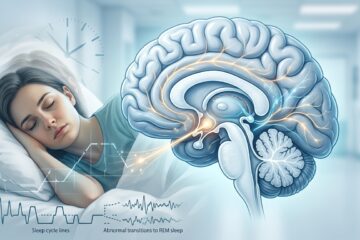
Narcolepsy is a chronic neurological sleep disorder that can make it difficult to stay awake and alert during the day. People with narcolepsy may experience excessive daytime sleepiness, sudden episodes of muscle weakness called cataplexy, sleep paralysis, vivid dream-like experiences around sleep, and disrupted nighttime sleep. Because symptoms can affect school, work, relationships, and everyday activities, finding an appropriate treatment plan can make a meaningful difference.
So, what medications treat narcolepsy? Several prescription medicines may be used to manage narcolepsy symptoms. Some are primarily intended to improve daytime wakefulness, while others can help with symptoms such as cataplexy or disrupted nighttime sleep. The American Academy of Sleep Medicine recommends or suggests several medication options for adults with narcolepsy, including modafinil, pitolisant, sodium oxybate, solriamfetol, armodafinil, dextroamphetamine, and methylphenidate.
However, there is no single medication that works the same way for everyone. Treatment depends on the person’s symptoms, diagnosis, other health considerations, potential medication interactions, and response to treatment. A qualified healthcare professional should determine which treatment is appropriate.
What Is Narcolepsy?
Narcolepsy is a neurological disorder that affects the normal regulation of sleep and wakefulness. Someone with narcolepsy can feel extremely sleepy during the day even after getting what appears to be enough nighttime sleep.
One of the most recognizable symptoms is excessive daytime sleepiness. A person may struggle to remain awake while studying, reading, watching television, sitting quietly, or performing routine activities.
Some people with narcolepsy also experience cataplexy. Cataplexy involves a sudden loss of muscle control while a person remains conscious. Strong emotions such as laughter, excitement, surprise, or anger can sometimes trigger an episode.
Narcolepsy is generally divided into two main types. Narcolepsy type 1 is associated with cataplexy and is commonly linked to a significant loss of hypocretin, also known as orexin, a chemical involved in maintaining wakefulness. Narcolepsy type 2 generally occurs without cataplexy.
Because symptoms can vary considerably, treatment needs to be individualized.
What Medications Treat Narcolepsy?
Several types of prescription medicines may be used to manage narcolepsy. The choice depends largely on which symptoms are causing the greatest difficulties.
For adults, the American Academy of Sleep Medicine gives strong recommendations for modafinil, pitolisant, sodium oxybate, and solriamfetol in the treatment of narcolepsy. It also gives conditional recommendations for armodafinil, dextroamphetamine, and methylphenidate.
These medicines do not all work in the same way. Some are primarily associated with improving wakefulness, while others may address multiple symptoms.
Medications for Excessive Daytime Sleepiness
Excessive daytime sleepiness is one of the central symptoms of narcolepsy. Wake-promoting medicines may be prescribed to help a person remain more alert during the daytime.
Modafinil, armodafinil, solriamfetol, pitolisant, and certain stimulant medications are among the medicines that may be considered for daytime sleepiness.
The goal is not simply to make someone feel more energetic. Treatment is intended to reduce problematic sleepiness and improve the ability to remain awake and function during normal daytime activities.
Medications for Cataplexy
Cataplexy can be particularly disruptive for people with narcolepsy type 1. Certain medicines can help reduce the frequency or severity of cataplexy.
Sodium oxybate is an established treatment option for narcolepsy and has evidence for addressing cataplexy as well as other symptoms. Pitolisant is another medicine included in current AASM recommendations for adults with narcolepsy.
The appropriate choice depends on the person’s overall symptoms and medical circumstances.
Modafinil for Narcolepsy
Modafinil is a wake-promoting medicine that has been widely used in the management of excessive daytime sleepiness associated with narcolepsy.
The American Academy of Sleep Medicine strongly recommends modafinil for adults with narcolepsy.
One reason modafinil is discussed frequently in narcolepsy treatment is its role in promoting wakefulness without being classified in the same way as traditional stimulant medicines.
Like any prescription medicine, modafinil can cause side effects and may interact with other medicines. Possible adverse effects can include headache, nausea, nervousness, or other unwanted symptoms. Individual responses vary.
Anyone taking or considering a prescription treatment should discuss potential risks, interactions, and alternatives with a healthcare professional rather than changing treatment independently.
Armodafinil and Narcolepsy
Armodafinil is related to modafinil and is another wake-promoting medicine that may be considered for excessive daytime sleepiness.
The AASM gives armodafinil a conditional recommendation for adults with narcolepsy.
Its purpose in narcolepsy treatment is to help manage daytime sleepiness. As with other prescription medicines, its suitability depends on the individual’s circumstances.
Possible adverse effects may include headache, nausea, nervousness, or difficulty sleeping. The healthcare professional managing narcolepsy can explain whether this type of medicine is appropriate and what warning signs should be monitored.
Solriamfetol for Narcolepsy
Solriamfetol is another medicine used to promote wakefulness in people experiencing excessive daytime sleepiness associated with narcolepsy.
The AASM strongly recommends solriamfetol as a treatment option for adults with narcolepsy.
Solriamfetol works differently from some traditional wake-promoting medicines. Its effects are associated with the brain’s dopamine and norepinephrine systems, which are involved in alertness and wakefulness.
Possible adverse effects can include headache, nausea, decreased appetite, anxiety, and changes in blood pressure or heart rate. These potential effects make professional medical supervision important.
Pitolisant for Narcolepsy
Pitolisant is a wake-promoting medicine with a different mechanism from traditional stimulant medications. It acts on the histamine system in the brain and can be used as part of narcolepsy treatment.
The AASM strongly recommends pitolisant for adults with narcolepsy.
Pitolisant may be particularly relevant when daytime sleepiness is a major concern, and it may also have benefits for cataplexy.
Narcolepsy is a chronic neurological sleep disorder that affects the brain’s ability to regulate normal sleep and wakefulness. According to the National Institute of Neurological Disorders and Stroke (NINDS), common symptoms can include excessive daytime sleepiness, cataplexy, sleep paralysis, and hallucinations around sleep.
Possible adverse effects include headache, nausea, anxiety, insomnia, or other symptoms. Some medication interactions can also be important when considering pitolisant.
Because medication interactions can affect safety, people should provide their healthcare professional with an accurate list of medicines and supplements they are already taking.
Sodium Oxybate and Narcolepsy
Sodium oxybate is another important medication used in narcolepsy treatment. It has been studied for several symptoms, including excessive daytime sleepiness and cataplexy.
The AASM strongly recommends sodium oxybate for adults with narcolepsy.
Unlike medicines that primarily focus on daytime wakefulness, sodium oxybate is associated with nighttime treatment and can affect several aspects of narcolepsy.
Because sodium oxybate can cause significant central nervous system depression and has important safety considerations, it requires careful medical supervision. It should not be treated like an ordinary over-the-counter sleep product.
A healthcare professional can explain the potential benefits, risks, interactions, and monitoring requirements associated with this medicine.
Stimulant Medications for Narcolepsy
Traditional stimulant medications have also been used to manage excessive daytime sleepiness associated with narcolepsy.
The AASM conditionally recommends dextroamphetamine and methylphenidate for adults with narcolepsy.
These medicines can increase alertness, but they also have important potential adverse effects and safety considerations. Depending on the medicine and individual circumstances, concerns can include changes in heart rate or blood pressure, anxiety, appetite changes, sleep disruption, and other effects.
Because of these considerations, stimulant treatment should be managed by an appropriate healthcare professional.
Why Does Narcolepsy Treatment Vary From Person to Person?
Narcolepsy is not identical in every individual. One person may mainly struggle with daytime sleepiness, while another may have frequent cataplexy and disrupted nighttime sleep.
The diagnosis also matters. Someone with narcolepsy type 1 may have different treatment needs from someone with narcolepsy type 2.
Other factors can also influence treatment decisions. These may include existing health conditions, other medicines, possible drug interactions, age, lifestyle, and how the person responds to treatment.
For this reason, there is no universal medication plan that should be followed by everyone with narcolepsy.
What Symptoms Can Narcolepsy Medications Address?
Excessive Daytime Sleepiness
Daytime sleepiness is one of the main reasons people with narcolepsy seek treatment. Wake-promoting medicines can be considered when sleepiness interferes with daily functioning.
The objective is improved wakefulness rather than simply increasing energy.
Cataplexy
Cataplexy is particularly associated with narcolepsy type 1. Some treatments can reduce cataplexy episodes.
The choice of treatment depends on the severity and frequency of symptoms and the person’s overall health.
Disrupted Nighttime Sleep
Narcolepsy can involve fragmented or poor-quality nighttime sleep. Some treatments may address aspects of nighttime sleep while also improving daytime symptoms.
This is one reason healthcare professionals often consider the entire sleep-wake pattern rather than focusing on daytime sleepiness alone.
Sleep Paralysis and Dream-Like Experiences
Sleep paralysis and vivid experiences around falling asleep or waking can occur with narcolepsy. These symptoms do not necessarily require a separate medication in every person.
The healthcare professional may instead focus on the person’s broader narcolepsy treatment plan.
What Are the Benefits of Narcolepsy Medication?
The potential benefits depend on the medicine and the symptoms being treated.
For some people, treatment can reduce excessive daytime sleepiness and make it easier to stay awake during everyday activities. Others may experience fewer cataplexy episodes or improvements in other symptoms.
Treatment may also support daily functioning and quality of life. However, medication is generally intended to manage symptoms rather than permanently eliminate narcolepsy.
The older AASM evidence review noted that available treatments may improve alertness without necessarily restoring completely normal, sustained alertness in every person.
This is an important point because expectations can influence how someone views treatment. A medication that reduces symptoms may still be useful even if it does not make every symptom disappear.
Possible Side Effects of Narcolepsy Medications
Every medication has potential risks and adverse effects. The exact effects depend on the specific medicine and the person taking it.
Some narcolepsy medicines may be associated with headache, nausea, appetite changes, anxiety, nervousness, insomnia, or changes in blood pressure or heart rate.
Other medicines have different safety considerations. For example, sodium oxybate has important central nervous system effects and requires careful medical oversight.
Side effects can also be influenced by other medicines or health conditions.
Anyone experiencing concerning or persistent symptoms should discuss them with their healthcare professional. Prescription treatment should not be stopped, increased, decreased, or combined with another medicine without appropriate medical guidance.
Can Narcolepsy Be Treated Without Medication?
Medication is only one part of managing narcolepsy.
Behavioral strategies can also be useful. Maintaining a consistent sleep schedule, establishing healthy nighttime routines, and planning daytime naps may help some people manage sleepiness.
AASM materials note that scheduled naps can sometimes be beneficial, although older guidance indicated that naps alone often do not provide sufficient treatment for narcolepsy.
Lifestyle strategies should be considered alongside professional medical care rather than as a replacement for appropriate diagnosis and treatment.
Can Narcolepsy Medication Cure Narcolepsy?
Current medications are generally used to manage narcolepsy symptoms rather than cure the underlying disorder.
This distinction is important. A person may experience significant improvement while still having narcolepsy.
Treatment aims to make symptoms more manageable and support safer, more functional daily living.
Because narcolepsy is a chronic condition, treatment may involve ongoing follow-up and adjustments over time.
How Is the Right Treatment Selected?
Choosing a treatment involves looking at the person’s complete symptom profile.
A healthcare professional may consider whether excessive daytime sleepiness, cataplexy, nighttime sleep disruption, or another symptom is causing the greatest difficulty.
Other factors can include existing medical conditions, current medicines, potential interactions, previous treatment response, and individual preferences.
The treatment plan can therefore look different from one person to another even when both people have the same diagnosis.
Can More Than One Treatment Be Used?
Some people may require more than one approach to manage different aspects of narcolepsy. A healthcare professional may consider multiple treatments when one option does not adequately address all symptoms.
However, combining medicines can increase the complexity of treatment and may create additional interaction or side-effect concerns.
For that reason, people should never combine prescription medicines on their own. A healthcare professional should determine whether a combination is appropriate.
Narcolepsy Medication and Daily Life
Managing narcolepsy involves more than taking medicine. People may need to develop strategies for school, work, travel, exercise, social activities, and sleep routines.
Daytime sleepiness can make ordinary activities more challenging. A comprehensive treatment plan can therefore include medical treatment, sleep scheduling, education, and practical safety strategies.
For students and young people, communication with parents or guardians, healthcare professionals, and appropriate school staff can also be helpful when symptoms interfere with education.
What Should You Tell Your Healthcare Professional?
Before starting or changing treatment, it is useful to provide a complete picture of your symptoms.
Tell your healthcare professional about daytime sleepiness, cataplexy, sleep paralysis, nighttime sleep problems, unusual experiences around falling asleep or waking, and any other symptoms you have noticed.
It is also important to mention other medicines, supplements, allergies, and relevant medical conditions.
Accurate information helps the healthcare professional consider potential interactions and choose an appropriate treatment approach.
Narcolepsy Treatment Requires Regular Follow-Up
Treatment does not always end when a medication is prescribed. Follow-up appointments can help determine whether symptoms are improving and whether unwanted effects are occurring.
A healthcare professional may reassess daytime alertness, nighttime sleep, cataplexy, and overall functioning.
If a treatment does not adequately control symptoms, the healthcare professional may consider another approach.
This ongoing process is normal for chronic sleep disorders and does not necessarily mean that the original diagnosis was incorrect.
FAQs
What medications treat narcolepsy?
Several prescription medicines may be used to treat narcolepsy. Current AASM recommendations for adults include modafinil, pitolisant, sodium oxybate, and solriamfetol, while armodafinil, dextroamphetamine, and methylphenidate have conditional recommendations.
What is used to treat excessive daytime sleepiness in narcolepsy?
Several wake-promoting medicines may be considered for excessive daytime sleepiness, including modafinil, armodafinil, solriamfetol, pitolisant, and certain stimulant medicines.
The appropriate choice depends on individual circumstances and should be determined by a healthcare professional.
What medications can help with cataplexy?
Certain treatments can help manage cataplexy. Sodium oxybate is an established option, while pitolisant is also recommended by the AASM for adult narcolepsy.
Is narcolepsy medication safe?
Prescription medicines can have benefits and risks. Safety depends on the specific medicine, the person’s health, other medicines, and how treatment is monitored.
Can narcolepsy go away with medication?
Medication generally manages symptoms rather than curing narcolepsy. Some people can experience substantial symptom improvement with an appropriate treatment plan.
Does everyone with narcolepsy need medication?
Not necessarily in the same way. Treatment is individualized according to symptoms, diagnosis, daily needs, and medical considerations.
Can lifestyle changes help narcolepsy?
Consistent sleep routines and planned naps may help some people manage symptoms. They are often considered alongside professional treatment rather than as a universal replacement for medication.
Why does narcolepsy treatment need medical supervision?
Narcolepsy medicines can have side effects and interactions. Some also have important safety considerations. Professional supervision helps ensure that treatment decisions are based on the person’s symptoms and medical circumstances.
Final Thoughts
Understanding what medications treat narcolepsy can make the condition feel less confusing, especially when different medicines are designed to address different symptoms. Treatments such as modafinil, pitolisant, sodium oxybate, and solriamfetol are among the options recommended for adults in current American Academy of Sleep Medicine guidance. At the same time, other medicines may also be considered in appropriate situations.
The most important point is that narcolepsy treatment is not a one-size-fits-all process. Excessive daytime sleepiness, cataplexy, nighttime sleep disruption, and other symptoms can vary significantly between individuals. A healthcare professional can evaluate the complete symptom pattern and consider potential benefits, side effects, interactions, and other health factors when developing a treatment plan.
Medication is also only one part of narcolepsy management. Consistent sleep habits, planned naps, education, and practical strategies may complement medical treatment. Regular follow-up can help determine whether symptoms are improving and whether changes are needed.
If you or someone you know has symptoms that could be related to narcolepsy, professional evaluation is important. Do not start, stop, combine, or change prescription medicines without appropriate medical guidance.