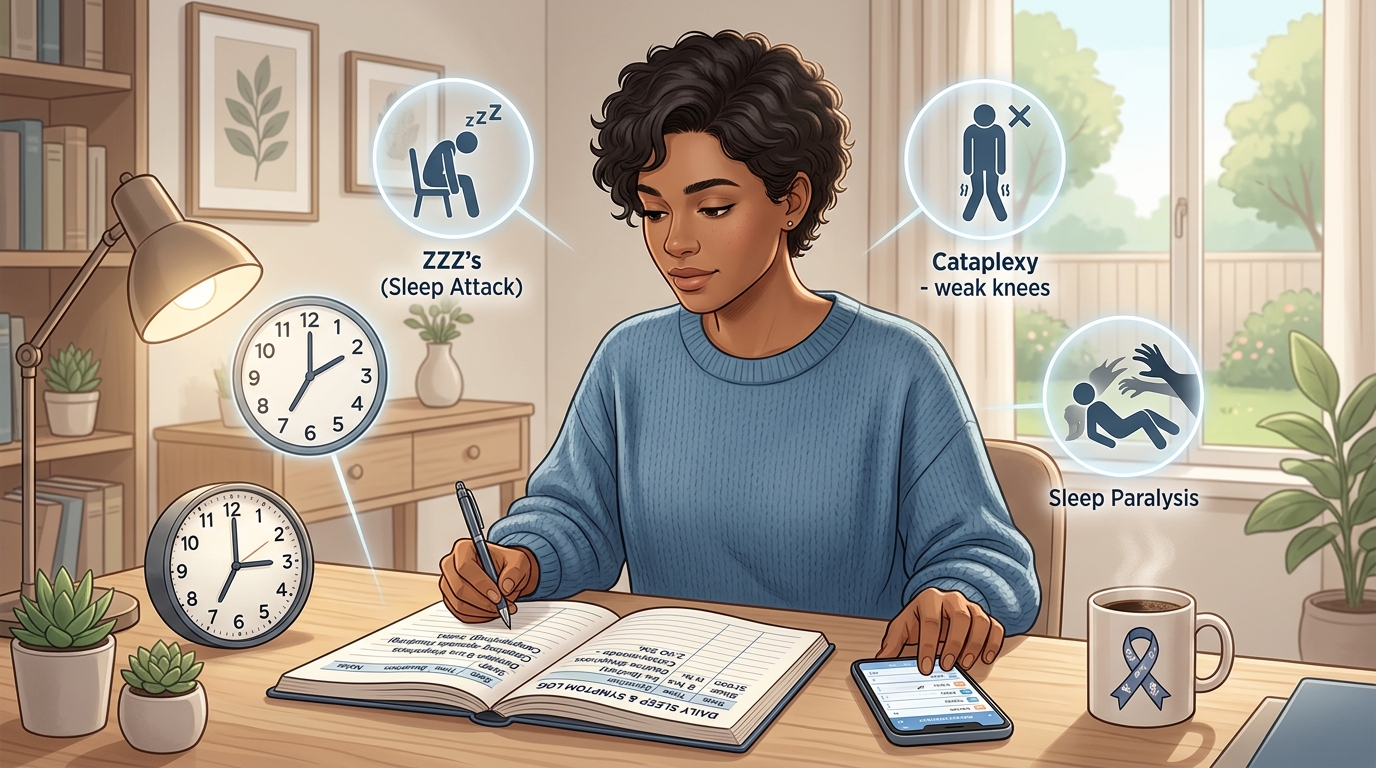
Narcolepsy is a chronic neurological sleep disorder that can significantly affect a person’s ability to stay awake, sleep normally, and control certain movements during the day. One of the most common questions people have after experiencing sudden daytime sleepiness or unusual sleep-related symptoms is, how long does a narcolepsy episode last? The answer depends on what type of narcolepsy symptom is occurring because narcolepsy does not produce only one kind of episode. Sudden sleep attacks, excessive daytime sleepiness, cataplexy, sleep paralysis, and unusual dream-related experiences can all occur in people with narcolepsy, and each may have a different duration.
Understanding the duration of narcolepsy symptoms can help people recognize patterns and communicate more clearly with a healthcare professional. However, the length of an episode alone cannot confirm whether someone has narcolepsy. Symptoms can vary from person to person, and several other sleep disorders or medical conditions can cause daytime sleepiness or sudden episodes of reduced alertness. A proper diagnosis usually requires a detailed medical and sleep history along with specialized sleep testing.
What Is a Narcolepsy Episode?
The phrase “narcolepsy episode” is often used to describe a sudden period when narcolepsy symptoms become noticeable. Narcolepsy itself is not usually characterized by one single type of attack with a fixed beginning and ending. Instead, it involves a collection of symptoms related to the regulation of sleep and wakefulness. The symptoms can appear at different times and may vary in intensity.
One person may primarily experience overwhelming daytime sleepiness, while another may have noticeable cataplexy, sleep paralysis, or disrupted nighttime sleep. Some people may experience several symptoms during the same period, while others may have symptoms at separate times. Because of this variation, asking how long does a narcolepsy episode last requires looking at the particular symptom involved.
Sudden sleep episodes associated with narcolepsy can be brief, and a person may feel temporarily refreshed after a short period of sleep. In other situations, a person may remain excessively sleepy for much longer. Cataplexy generally has a different duration from a sleep attack, while sleep paralysis is usually a short-lived experience occurring around the transition between sleep and wakefulness.
How Long Does a Narcolepsy Episode Last?
There is no single duration that applies to every narcolepsy episode. The length depends on the symptom, the person’s sleep pattern, the severity of the condition, and other individual factors. A sudden sleep episode can sometimes last only a short time, while excessive daytime sleepiness may continue for much longer and repeatedly return throughout the day.
Narcolepsy-related sleepiness is often described as an overwhelming need to sleep that can occur even when a person has attempted to get adequate nighttime rest. A person may struggle to maintain alertness during ordinary daily activities and may experience repeated periods of reduced alertness. Short sleep periods can temporarily reduce the feeling of sleepiness, but the underlying tendency toward excessive daytime sleepiness may return.
Cataplexy is different because the person generally remains conscious while experiencing a sudden loss of muscle control. Cataplexy episodes are usually brief, although the exact duration varies. Sleep paralysis is also typically short-lived, but the experience can feel much longer because the person may be awake and aware while temporarily unable to move.
The important point is that there is no universal “narcolepsy episode length.” Different symptoms have different time patterns. A healthcare professional considers the overall pattern of symptoms rather than relying on the duration of a single event.
How Long Does Excessive Daytime Sleepiness Last?
Excessive daytime sleepiness is one of the central symptoms associated with narcolepsy. Unlike a single sleep attack, daytime sleepiness can persist throughout the day and can fluctuate in intensity. A person may wake up feeling temporarily alert and then experience increasing sleepiness later.
The sleepiness may become especially noticeable during periods of inactivity or situations that normally require sustained attention. Some people may also experience sudden transitions from wakefulness into sleep. The feeling can be difficult to control and may interfere with work, studying, conversations, driving, and other everyday responsibilities.
The duration of excessive daytime sleepiness is therefore not necessarily measured as one continuous episode. Instead, it may involve repeated periods of strong sleep pressure throughout the day. Brief periods of sleep can sometimes provide temporary relief, but the need for sleep may return.
This pattern is one reason narcolepsy can be difficult to recognize. A person may believe they are simply tired or not getting enough sleep, particularly when symptoms have developed gradually. Persistent and uncontrollable daytime sleepiness deserves medical attention, especially when it occurs despite maintaining a reasonable sleep schedule.
How Long Does a Sudden Sleep Attack Last?
Sudden sleep episodes are often one of the most noticeable features of narcolepsy. During these episodes, a person may experience an overwhelming urge to sleep and may actually fall asleep. The sleep period can be relatively brief, and some people may feel more alert after waking.
However, the experience is not identical for everyone. The duration and frequency of sleep episodes can vary depending on the individual and their overall condition. A person may have several episodes during a day or may experience symptoms more strongly at particular times.
A short sleep episode does not necessarily mean the person is fully recovered from excessive daytime sleepiness. Narcolepsy involves abnormal regulation of sleep and wakefulness, so sleepiness can return even after a brief period of sleep.
It is also important to distinguish narcolepsy-related sleep attacks from ordinary fatigue. Normal tiredness generally develops after inadequate sleep, prolonged activity, or other understandable causes. Narcolepsy can cause a strong and difficult-to-control need to sleep even when a person believes they have obtained sufficient nighttime sleep.
How Long Does Cataplexy Last?
Cataplexy is a distinctive symptom associated particularly with narcolepsy with cataplexy. It involves a sudden temporary loss of muscle control while the person remains conscious. The muscles affected can vary, and the severity can range from subtle weakness to more noticeable loss of muscle control.
Cataplexy episodes are generally brief. They can last from seconds to a few minutes, although the exact duration varies between individuals and episodes. The person may remain aware of what is happening during the event, which can make cataplexy different from actually falling asleep.
Strong emotions can trigger cataplexy in many people. Laughter, excitement, surprise, anger, or other emotional responses may be associated with an episode. Not every person experiences the same triggers, and cataplexy frequency can also change over time.
Because consciousness is usually preserved, a person experiencing cataplexy may remember the event clearly. After muscle control returns, the episode generally ends without prolonged unconsciousness. Nevertheless, frequent or severe cataplexy can interfere with daily life and should be discussed with a healthcare professional.
How Long Does Sleep Paralysis Last With Narcolepsy?
Sleep paralysis is another symptom that can occur with narcolepsy. During sleep paralysis, a person may be aware of their surroundings but temporarily unable to move or speak normally while falling asleep or waking up. This occurs because aspects of the muscle paralysis normally associated with rapid eye movement sleep can overlap with conscious awareness.
Sleep paralysis is usually brief, although it can feel much longer to the person experiencing it. Fear and confusion can intensify the experience, particularly when someone does not understand what is happening.
The duration of sleep paralysis does not determine whether someone has narcolepsy. Sleep paralysis can occur in people who do not have narcolepsy, including people with irregular sleep schedules or other sleep-related factors. When it occurs repeatedly alongside excessive daytime sleepiness and other characteristic symptoms, however, it can be an important part of a sleep specialist’s assessment.
What Happens During a Narcolepsy Episode?
What happens during an episode depends on the symptom involved. During a period of excessive daytime sleepiness, a person may struggle to maintain attention and may feel an intense need to sleep. Their concentration and ability to perform routine tasks can decline.
During a sleep attack, the person may transition from wakefulness into sleep unexpectedly. They may wake after a relatively short period and feel temporarily more refreshed. However, sleepiness can return later.
During cataplexy, the person remains conscious but experiences sudden muscle weakness. The face, jaw, neck, arms, legs, or other muscle groups can be affected. The severity can vary considerably.
During sleep paralysis, the person may be conscious but temporarily unable to move. Some people may also experience vivid dream-like sensations during the transition between sleep and wakefulness.
These symptoms can be unsettling, particularly when they occur without warning. Keeping track of what happens before, during, and after an episode can provide useful information for a healthcare professional.
Why Does the Duration of Narcolepsy Episodes Vary?
Several factors can influence how narcolepsy symptoms appear and how long they last. Sleep patterns are particularly important. Irregular sleep schedules, insufficient sleep, and changes in daily routines can affect daytime alertness.
The severity and type of narcolepsy also matter. Not everyone experiences cataplexy, and not everyone has the same frequency of sleep attacks or sleep paralysis. Some individuals may experience predominantly daytime sleepiness, while others have a broader combination of symptoms.
Treatment can also influence symptoms. Medications prescribed for narcolepsy may help improve wakefulness or reduce particular symptoms. The effect of treatment differs among individuals, and medication should be used only under appropriate medical guidance.
Stress and emotional changes may also influence symptoms in some people. Emotional triggers can be particularly relevant to cataplexy. Lifestyle factors, sleep quality, and other medical or sleep conditions can further affect daytime alertness.
For these reasons, the duration of one episode should not be viewed in isolation. The overall pattern is usually more informative.
What Can Trigger Narcolepsy Symptoms?
Narcolepsy symptoms may become more noticeable when a person is sleep deprived or has an inconsistent sleep schedule. Maintaining regular sleep and wake times can support better sleep regulation, although it does not cure narcolepsy.
Emotional stimulation can be associated with cataplexy, particularly in people who experience this symptom. The relationship between emotions and symptoms can differ from person to person.
Long periods of inactivity may make daytime sleepiness more noticeable. A person who already has difficulty maintaining alertness may find it particularly challenging to stay awake during quiet or repetitive activities.
Changes in medication, poor nighttime sleep, illness, and disruptions to normal routines may also influence symptoms. Because triggers vary, keeping a sleep and symptom diary can help identify patterns that may otherwise be difficult to recognize.
Narcolepsy Episodes and Nighttime Sleep
Narcolepsy does not simply mean sleeping too much. Many people with narcolepsy have disrupted nighttime sleep even though they experience significant daytime sleepiness. Their sleep may be fragmented, and they may wake repeatedly during the night.
This unusual combination of nighttime sleep disruption and daytime sleepiness can contribute to the feeling that the body’s sleep-wake system is not functioning normally. A person may spend an adequate amount of time in bed but still experience significant sleepiness during the day.
Nighttime symptoms can also include vivid dreams, sleep paralysis, or other unusual experiences around sleep transitions. These symptoms can provide additional information during a clinical evaluation.
Improving sleep habits can support overall sleep quality, but persistent symptoms should not automatically be attributed to poor sleep habits. Narcolepsy is a neurological disorder and requires professional assessment when symptoms are significant or persistent.
How Is Narcolepsy Different From Ordinary Tiredness?
Everyone experiences tiredness, particularly after insufficient sleep or demanding activities. Narcolepsy-related sleepiness is different because it can be excessive, persistent, and difficult to control.
A person with narcolepsy may experience an overwhelming need to sleep during the day despite attempting to maintain adequate nighttime sleep. They may also experience sudden sleep episodes, cataplexy, sleep paralysis, or other characteristic symptoms.
Ordinary tiredness often improves after adequate rest and a regular sleep schedule. Narcolepsy-related excessive daytime sleepiness can continue despite efforts to obtain sufficient sleep.
The distinction is important because many people initially assume that persistent sleepiness is simply the result of a busy lifestyle. If daytime sleepiness repeatedly interferes with normal activities, a medical evaluation can help identify the underlying cause.
How Is Narcolepsy Diagnosed?
The diagnosis of narcolepsy usually begins with a detailed discussion of symptoms, sleep habits, medical history, and daytime functioning. A healthcare professional may ask about when sleepiness occurs, how often it happens, whether sudden sleep episodes occur, and whether symptoms such as cataplexy or sleep paralysis are present.
A sleep diary may be used to document sleep and wake patterns over a period of time. Actigraphy or other monitoring methods may also be considered in certain situations.
An overnight sleep study, known as polysomnography, may be performed to evaluate nighttime sleep and rule out other sleep disorders. This test records several physiological signals during sleep.
A Multiple Sleep Latency Test, commonly called an MSLT, may be performed after an overnight sleep study. It measures how quickly a person falls asleep during scheduled daytime opportunities to sleep and evaluates whether rapid entry into REM sleep occurs.
Diagnosis should be made by an appropriately qualified healthcare professional. The duration of a suspected episode is only one piece of information and cannot independently establish a diagnosis.
Can Narcolepsy Episodes Be Managed?
Narcolepsy is a chronic condition, but symptoms can often be managed with an individualized treatment plan. Treatment may involve medication, structured sleep habits, scheduled daytime naps, and other behavioral strategies.
Medication options depend on the specific symptoms and the individual’s health circumstances. Some medications are intended to improve daytime wakefulness, while others may be used to address cataplexy or other symptoms.
A consistent sleep schedule can also be helpful. Going to bed and waking up at regular times may support more stable sleep patterns. Planned naps may be recommended for some people to help manage daytime sleepiness.
The goal of treatment is generally to improve daytime alertness, reduce disruptive symptoms, support safer daily functioning, and improve quality of life. Treatment plans should be developed and monitored by healthcare professionals.
The Importance of Sleep Hygiene
Good sleep habits can support overall sleep health and may help a person manage symptoms more effectively. Maintaining a consistent bedtime and wake time can create a predictable sleep routine.
A comfortable sleep environment, appropriate nighttime habits, and attention to factors that interfere with sleep can also be beneficial. Avoiding unnecessary disruption to the sleep schedule may help reduce additional sleepiness caused by insufficient or irregular sleep.
However, sleep hygiene should not be considered a replacement for medical treatment when narcolepsy is present. Narcolepsy involves neurological regulation of sleep and wakefulness, so professional evaluation and treatment may be necessary.
When Should You Talk to a Doctor?
Persistent or uncontrollable daytime sleepiness should be discussed with a healthcare professional, particularly when it interferes with normal daily activities. Sudden sleep episodes can create safety concerns when they occur during activities that require continuous attention.
Frequent cataplexy should also be evaluated. Sudden loss of muscle control can increase the risk of falls or injuries, depending on the circumstances.
Repeated sleep paralysis, unusual sleep experiences, or severe nighttime sleep disruption can also warrant professional assessment when they are frequent or distressing.
People experiencing unexplained excessive daytime sleepiness should avoid assuming that narcolepsy is the only possible cause. Sleep apnea, insufficient sleep, medication effects, mental health conditions, neurological conditions, and other health issues can contribute to excessive sleepiness. A healthcare professional can help determine the appropriate evaluation.
Narcolepsy and Daily Safety
Daytime sleepiness can become a significant safety concern when it affects activities such as driving or operating machinery. A person who feels unable to remain alert should take appropriate precautions and seek medical advice.
Narcolepsy symptoms can be unpredictable, and an individual may not always be able to determine when severe sleepiness will occur. Treatment and careful management can help reduce the impact of symptoms, but safety planning remains important.
People with diagnosed or suspected narcolepsy should discuss their specific risks with their healthcare professional. Recommendations can depend on symptom severity, treatment response, occupation, driving requirements, and other individual circumstances.
Keeping a Narcolepsy Symptom Diary
A symptom diary can be useful when trying to understand how long narcolepsy episodes last and how frequently they occur. Recording bedtime, wake time, naps, daytime sleepiness, sudden sleep episodes, cataplexy, sleep paralysis, and other symptoms can reveal patterns.
It can also be helpful to record possible triggers, medication timing, and changes in sleep routines. Over time, this information may help a healthcare professional understand the overall pattern.
The purpose of a diary is not to diagnose narcolepsy independently. Instead, it provides organized information that can support a clinical evaluation.
The National Heart, Lung, and Blood Institute (NHLBI) also provides useful information about narcolepsy, including its symptoms, diagnosis, and treatment. Reviewing information from established medical organizations can help readers better understand the condition while recognizing that online resources should not replace an evaluation from a qualified healthcare professional.
Does Episode Duration Determine Narcolepsy Severity?
Episode duration alone does not determine how severe narcolepsy is. A person can have relatively short episodes that occur frequently and significantly interfere with daily activities. Another person may experience different symptoms with a different pattern.
Healthcare professionals consider multiple factors when evaluating narcolepsy, including daytime sleepiness, cataplexy, nighttime sleep, sleep testing results, symptom frequency, and the impact on everyday functioning.
This is why focusing only on how long does a narcolepsy episode last may provide an incomplete picture. The frequency, circumstances, associated symptoms, and consequences are also important.
Can Narcolepsy Symptoms Change Over Time?
Narcolepsy symptoms can change over time. Some symptoms may become more noticeable while others may become less frequent. Treatment can also change the way symptoms affect daily life.
The pattern may differ between individuals, and there is no universal progression that applies to everyone. Some people may primarily struggle with daytime sleepiness, while others may have prominent cataplexy or disrupted nighttime sleep.
Regular medical follow-up can help determine whether treatment remains appropriate. Changes in symptoms should be communicated to a healthcare professional rather than managed through unsupervised medication changes.
FAQ
How long does a narcolepsy episode last?
There is no single duration for every narcolepsy episode because narcolepsy symptoms differ. Sudden sleep episodes may be relatively brief, while excessive daytime sleepiness can persist or return throughout the day. Cataplexy and sleep paralysis also have their own typical time patterns.
Can a narcolepsy episode last for hours?
A single sudden sleep attack is not necessarily the same as experiencing excessive daytime sleepiness for several hours. Narcolepsy can cause prolonged periods of sleepiness or repeated episodes throughout the day. If severe sleepiness continues for an extended period, professional evaluation can help determine the cause.
How long does cataplexy last?
Cataplexy is generally brief and may last from seconds to a few minutes. The duration can vary, and the person usually remains conscious during the episode.
How long does sleep paralysis last with narcolepsy?
Sleep paralysis is generally short-lived, although it can feel much longer while it is happening. The person may remain conscious while temporarily unable to move or speak normally.
Can narcolepsy cause multiple episodes in one day?
Yes. Some people with narcolepsy can experience repeated periods of excessive daytime sleepiness or sudden sleep episodes during the same day. The frequency varies among individuals.
Does a short sleep episode mean the narcolepsy is gone?
No. A short period of sleep may temporarily reduce sleepiness, but narcolepsy is a chronic disorder involving abnormal regulation of sleep and wakefulness. Symptoms can return after a brief period of rest.
Can stress make narcolepsy symptoms worse?
Stress and emotional stimulation may affect symptoms in some people. Emotional triggers are particularly relevant to cataplexy. However, individual triggers vary, so symptom patterns should be discussed with a healthcare professional.
Is sudden sleepiness always narcolepsy?
No. Sudden or excessive sleepiness can have many possible causes. Insufficient sleep, sleep apnea, medications, other sleep disorders, and certain medical conditions can contribute to daytime sleepiness. Proper evaluation is necessary to determine the underlying cause.
Can narcolepsy be treated?
Narcolepsy can often be managed with a combination of medical treatment and behavioral strategies. Treatment depends on the individual’s symptoms and health needs and should be guided by a qualified healthcare professional.
Final Thoughts
Understanding how long does a narcolepsy episode last requires recognizing that narcolepsy does not have one standard type of episode. Sudden sleep attacks, excessive daytime sleepiness, cataplexy, and sleep paralysis can all have different durations. Some symptoms may last only briefly, while daytime sleepiness can return repeatedly or remain present for much of the day.
The duration of an episode is useful information, but it is only one part of the overall picture. Frequency, triggers, associated symptoms, nighttime sleep quality, and the effect on daily life are also important. Keeping track of symptoms can help provide a clearer picture for a healthcare professional.
If persistent daytime sleepiness, sudden sleep episodes, cataplexy, or sleep paralysis is interfering with daily life, professional evaluation is important. A sleep specialist can use medical history, sleep monitoring, overnight testing, and daytime sleep testing to determine whether narcolepsy or another condition may be responsible.
With appropriate diagnosis and individualized management, many people with narcolepsy can work toward better control of their symptoms and a more predictable daily routine. Understanding the symptoms and their patterns is an important first step toward getting appropriate support and treatment.