Narcolepsy is a chronic neurological sleep disorder that can significantly affect a person’s ability to regulate sleep and wakefulness. Many people associate narcolepsy with sudden and uncontrollable sleep attacks, but the condition can involve a much wider range of symptoms. This can make it difficult to recognize, especially when a person does not describe their daytime sleepiness as suddenly falling asleep. So, can you have narcolepsy without sleep attacks? The answer is that the absence of obvious sleep attacks does not automatically rule out narcolepsy. Narcolepsy symptoms can vary considerably from one person to another, and excessive daytime sleepiness is a central feature of the condition.
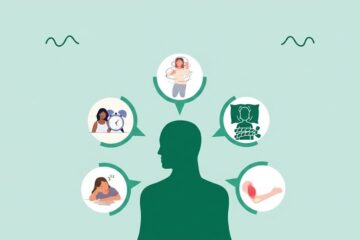
People with narcolepsy may experience a strong need to sleep during the daytime, difficulty maintaining alertness, disrupted nighttime sleep, sleep paralysis, vivid experiences around falling asleep or waking, and cataplexy in some cases. The way these symptoms appear can also change over time. Some people may recognize their sleepiness clearly, while others may simply feel tired, mentally foggy, or unable to stay focused. Because these symptoms can overlap with other sleep disorders and medical conditions, proper evaluation is important.
Can You Have Narcolepsy Without Sleep Attacks?
Yes, a person can have narcolepsy without experiencing what they personally recognize as dramatic sleep attacks. Narcolepsy is not defined only by sudden episodes of falling asleep. A major feature is excessive daytime sleepiness, which means having an unusually strong tendency to become sleepy or fall asleep during the daytime despite having an opportunity to obtain adequate sleep.
The phrase “sleep attack” can sometimes create an incomplete picture of narcolepsy. Some people imagine that everyone with narcolepsy suddenly falls asleep without warning several times a day. Although sudden sleep episodes can occur, the experience is not necessarily identical for every person. Daytime sleepiness can sometimes feel more like persistent drowsiness, reduced alertness, difficulty concentrating, or an overwhelming need to rest.
A person may therefore have narcolepsy-related excessive daytime sleepiness without describing their symptoms as sleep attacks. The important issue is not simply whether someone suddenly falls asleep but whether their overall pattern of sleepiness and other symptoms is consistent with a sleep-wake disorder.
Narcolepsy is diagnosed using a combination of symptoms, clinical history, and specialized sleep testing rather than one symptom alone. This is important because many other conditions can cause excessive daytime sleepiness. A healthcare professional needs to determine whether narcolepsy or another condition better explains the symptoms.
Understanding Excessive Daytime Sleepiness
Excessive daytime sleepiness is one of the most important symptoms associated with narcolepsy. It involves an abnormal tendency to become sleepy during waking hours and may interfere with normal activities. A person may struggle to maintain alertness even after spending enough time in bed.
Daytime sleepiness is different from ordinary tiredness. Everyone can become tired after poor sleep, long periods of physical activity, stressful days, or insufficient rest. Excessive daytime sleepiness is more persistent and can interfere with concentration, memory, work, education, conversations, and other daily responsibilities.
Someone with narcolepsy may feel that staying awake requires considerable effort. The person might experience periods when alertness becomes very difficult to maintain. In some cases, brief periods of sleep can occur. In other cases, the individual may remain awake but feel extremely sleepy and mentally slowed.
This variation is one reason why the absence of obvious sleep attacks does not necessarily eliminate narcolepsy from consideration. A person may focus on the constant sleepiness rather than describing individual episodes as attacks.
Why Narcolepsy Symptoms Can Be Different From Person to Person
Narcolepsy is a complex neurological condition, and its symptoms do not necessarily appear in the same combination or intensity in every person. Some people experience cataplexy, while others do not. Some have prominent sleep paralysis or vivid sleep-related hallucinations, while others rarely experience these symptoms.
The timing and severity of symptoms can also vary. A person may initially notice excessive daytime sleepiness and only later recognize other features associated with narcolepsy. Symptoms may also be misunderstood for years because they can resemble ordinary fatigue or other sleep-related problems.
The condition is commonly divided into two major types: narcolepsy type 1 and narcolepsy type 2. One of the main distinctions is the presence of cataplexy and evidence of low hypocretin levels in narcolepsy type 1. Narcolepsy type 2 generally does not include cataplexy at diagnosis.
Because of these differences, it is not appropriate to assume that everyone with narcolepsy must experience the same form of daytime sleepiness or sudden sleep episodes.
What Is a Sleep Attack?
The term sleep attack is commonly used to describe an episode in which a person experiences an overwhelming tendency to fall asleep during the daytime. It may feel sudden and difficult to resist. However, the phrase is not a complete medical description of every narcolepsy-related sleep experience.
A person may experience increasing sleepiness before falling asleep rather than an instantaneous transition from full alertness to sleep. Another person may recognize that they are becoming sleepy but still be unable to remain alert. Some individuals may take short naps and temporarily feel more refreshed afterward.
Because of this variation, focusing only on whether someone has a “sleep attack” can be misleading. Healthcare professionals consider the broader pattern of daytime sleepiness, nighttime sleep, other symptoms, medical history, and objective sleep-test results.
Narcolepsy Type 1 and Narcolepsy
Narcolepsy is generally classified into two main types. Narcolepsy type 1 is associated with cataplexy or laboratory evidence of low hypocretin, also called orexin, in the brain. Cataplexy involves sudden, temporary muscle weakness that can occur while a person remains conscious and is often associated with strong emotions.
Narcolepsy type 2 is characterized by excessive daytime sleepiness and objective evidence of abnormal sleepiness without cataplexy at diagnosis. The distinction between these types is important because the presence or absence of cataplexy can provide useful information during diagnosis.
Neither classification should be reduced to the idea that one type always involves obvious sleep attacks while another does not. Both forms can involve excessive daytime sleepiness. Diagnosis requires a broader assessment.
It is also possible for symptoms to change or become clearer over time. Someone initially diagnosed with narcolepsy type 2 may later develop cataplexy, which can affect the diagnostic classification. This is another reason that ongoing medical evaluation may be appropriate when symptoms change.
Cataplexy and Its Relationship to Narcolepsy
Cataplexy is one of the most distinctive symptoms associated with narcolepsy type 1. It involves sudden muscle weakness while a person is awake and conscious. The weakness can affect different parts of the body and may vary in severity.
Cataplexy is not the same as falling asleep. During a cataplexy episode, the person remains conscious even though certain muscles temporarily lose strength. The symptom is often associated with emotions such as laughter, excitement, surprise, or anger.
The absence of cataplexy does not automatically mean that narcolepsy is impossible. Narcolepsy type 2 does not include cataplexy at the time of diagnosis. This distinction is important for people who are concerned about narcolepsy but have never experienced muscle weakness associated with emotions.
Sleep Paralysis as a Possible Symptom
Sleep paralysis is another sleep-related symptom that can occur in people with narcolepsy. During sleep paralysis, a person may temporarily be unable to move when falling asleep or waking up. The experience can be frightening, particularly when the person does not understand why it is happening.
Sleep paralysis can occur outside narcolepsy as well, so having sleep paralysis alone does not establish a diagnosis. It must be considered together with the rest of the person’s symptoms and medical history.
People with narcolepsy may experience sleep paralysis because narcolepsy affects the normal regulation of sleep stages. Rapid eye movement sleep, commonly called REM sleep, can occur at unusual times in the sleep-wake cycle.
Sleep-Related Hallucinations
Some people with narcolepsy experience vivid hallucination-like experiences when falling asleep or waking up. These are sometimes called hypnagogic hallucinations when they occur during the transition into sleep and hypnopompic hallucinations when they occur during the transition out of sleep.
These experiences can feel extremely realistic. They may involve visual, auditory, or other sensory perceptions. Although they can occur with narcolepsy, they are not exclusive to the condition.
Their presence can provide useful information when combined with other symptoms, but they should not be used by themselves to diagnose narcolepsy.
Disrupted Nighttime Sleep
Narcolepsy is often associated with excessive daytime sleepiness, but nighttime sleep can also be disturbed. A person may have difficulty maintaining continuous sleep or may wake repeatedly during the night.
This can seem confusing because someone may be very sleepy during the day while also having poor-quality sleep at night. However, sleep regulation involves more than simply counting the number of hours spent in bed.
Disrupted nighttime sleep can contribute to daytime fatigue and sleepiness, but it can also occur with many other sleep disorders. A sleep specialist may need to determine whether nighttime sleep disruption is related to narcolepsy or another condition.
Automatic Behaviors
Some people with significant daytime sleepiness may experience automatic behaviors. This means they continue performing an activity while their level of awareness or memory is reduced.
Automatic behavior can become a safety concern when it occurs during activities that require sustained attention. A person may not realize how impaired their alertness has become until afterward.
This symptom is another reason that excessive daytime sleepiness should be taken seriously even when a person does not describe sudden sleep attacks.
Why Narcolepsy Can Be Difficult to Recognize
Narcolepsy can sometimes go unrecognized because its symptoms overlap with more common problems. A person who feels sleepy during the day may assume that they simply need more sleep. Someone who struggles to concentrate may blame stress or a busy schedule.
There can also be social misunderstandings around daytime sleepiness. Falling asleep or appearing tired may sometimes be interpreted as laziness or lack of motivation. In reality, excessive daytime sleepiness can be a symptom of an underlying sleep or neurological disorder.
Because symptoms may develop gradually or be interpreted incorrectly, some people may not seek medical evaluation immediately. A persistent pattern of excessive daytime sleepiness deserves attention, particularly when it interferes with normal activities.
Conditions That Can Cause Excessive Daytime Sleepiness
Narcolepsy is only one possible cause of excessive daytime sleepiness. Sleep deprivation is a common cause, particularly when someone consistently sleeps for fewer hours than their body needs.
Obstructive sleep apnea can also produce significant daytime sleepiness. In this condition, breathing repeatedly becomes interrupted or restricted during sleep, which can reduce sleep quality.
Idiopathic hypersomnia is another sleep disorder associated with excessive daytime sleepiness. The symptoms can overlap with narcolepsy, which is one reason specialized testing may be necessary.
Certain medications, substances, medical conditions, and mental health conditions can also contribute to daytime sleepiness. A healthcare professional may therefore review medications, sleep patterns, medical history, and other symptoms before determining the most likely cause.
How Doctors Evaluate Possible Narcolepsy
A diagnosis of narcolepsy generally begins with a detailed medical and sleep history. A healthcare professional may ask about daytime sleepiness, nighttime sleep, naps, cataplexy, sleep paralysis, hallucinations, medications, and other relevant factors.
A sleep diary can help document sleep and wake patterns over a period of time. In some cases, activity monitoring may also be used to provide additional information about daily sleep-wake patterns.
An overnight sleep study, known as polysomnography, can evaluate breathing, brain activity, heart rate, muscle activity, and other aspects of sleep. This testing can help identify other sleep disorders and provide information needed before additional testing.
The Multiple Sleep Latency Test, or MSLT, is commonly used in the evaluation of narcolepsy. It measures how quickly a person falls asleep during scheduled opportunities to nap during the day and evaluates whether REM sleep occurs unusually quickly.
The results of these tests must be interpreted together with the person’s symptoms and clinical history. A sleep test should not be interpreted in isolation.
Why a Sleep Study Can Be Important
When excessive daytime sleepiness is present without obvious sleep attacks, objective testing can be especially useful. A person may not be able to accurately judge how quickly they fall asleep or whether they enter REM sleep unusually quickly.
An overnight sleep study can also help identify other conditions that may explain daytime sleepiness. This is important because treating the wrong underlying condition may not resolve the symptoms.
The purpose of testing is therefore not simply to prove or disprove narcolepsy. It helps clinicians understand how a person’s sleep and wakefulness are functioning and determine which diagnosis best fits the overall findings.
Can You Have Mild Narcolepsy?
Narcolepsy symptoms can vary in severity. Some people may experience symptoms that are less disruptive than those experienced by others. Mild symptoms can still affect concentration, alertness, productivity, and quality of life.
The severity of symptoms does not necessarily correspond to how clearly a person identifies a sleep attack. Someone may have substantial daytime sleepiness without describing dramatic episodes of sudden sleep.
For this reason, the absence of a classic symptom description should not be used as the only reason to dismiss the possibility of a sleep disorder.
Can Narcolepsy Occur Without Cataplexy?
Yes. Narcolepsy type 2 is characterized by excessive daytime sleepiness without cataplexy at diagnosis. This means a person does not need to experience sudden muscle weakness to have narcolepsy.
Cataplexy is strongly associated with narcolepsy type 1, but it is not required for every form of narcolepsy. Other symptoms and objective sleep-test findings can play an important role in determining the diagnosis.
Anyone experiencing persistent excessive daytime sleepiness should therefore discuss the symptoms with a qualified healthcare professional rather than attempting to determine the diagnosis based on cataplexy alone.
What Makes Narcolepsy Different From Ordinary Tiredness?
Ordinary tiredness often improves when a person gets adequate rest and maintains a healthy sleep schedule. Excessive daytime sleepiness related to a sleep disorder can persist despite apparently adequate sleep.
A person with excessive daytime sleepiness may struggle to remain alert during quiet activities or may feel an unusually strong urge to sleep during the day. The problem can become persistent enough to affect everyday functioning.
However, tiredness and sleepiness are not identical experiences, and people may describe them differently. A medical assessment can help clarify whether the problem involves excessive sleepiness, fatigue, poor-quality sleep, or another issue.
When Should You Talk to a Healthcare Professional?
Persistent daytime sleepiness is worth discussing with a healthcare professional when it interferes with daily life or continues despite adequate opportunities for sleep. The concern becomes particularly important when the sleepiness is unexplained or accompanied by other unusual sleep-related symptoms.
People should also seek professional evaluation if they experience episodes of temporary muscle weakness associated with emotions, repeated sleep paralysis, vivid experiences when falling asleep or waking, or significant nighttime sleep disruption.
Safety is especially important when excessive sleepiness occurs during driving, operating machinery, or other activities requiring continuous attention. If a person feels unable to remain safely alert, they should avoid driving and seek appropriate medical guidance.
How Narcolepsy Is Managed
Narcolepsy is a chronic condition, but symptoms can often be managed with an individualized treatment plan. Treatment may involve medication, behavioral strategies, scheduled naps, consistent sleep routines, and safety measures.
Medications used for narcolepsy can target excessive daytime sleepiness, cataplexy, or other symptoms depending on the individual’s needs. A healthcare professional should determine which treatment is appropriate because medications can have different effects, interactions, and safety considerations.
Maintaining a consistent sleep schedule can also support better sleep-wake regulation. Planned daytime naps may be useful for some people as part of a broader management strategy.
Treatment should be personalized rather than based solely on whether a person experiences sleep attacks. The primary goal is to improve alertness, reduce disruptive symptoms, and support safe daily functioning.
Lifestyle and Sleep Habits
Healthy sleep habits can support the management of many sleep disorders. Maintaining a regular bedtime and wake time can help establish a predictable sleep-wake pattern.
A comfortable sleeping environment may also support better nighttime sleep. Limiting factors that interfere with sleep and maintaining consistent daily routines can be useful parts of an overall management plan.
These strategies do not replace medical treatment when narcolepsy is present. Instead, they may complement professional care and help a person maintain a more stable sleep schedule.
Narcolepsy can involve excessive daytime sleepiness, cataplexy, sleep paralysis, and other disruptions in normal sleep patterns. The NHS information on narcolepsy explains these symptoms and how the condition can affect everyday life.
Why Self-Diagnosis Can Be Difficult
Searching for symptoms online can help a person understand possible explanations for their experiences, but it cannot establish a diagnosis. Narcolepsy shares symptoms with several other conditions, and the same symptom can have different causes.
For instance, excessive daytime sleepiness can result from insufficient sleep, sleep apnea, medication effects, circadian rhythm problems, or other medical and sleep-related conditions.
A healthcare professional can evaluate the full picture and determine whether specialized sleep testing is appropriate. This is particularly important when symptoms are persistent or significantly affect daily functioning.
Can Narcolepsy Symptoms Change Over Time?
Symptoms of narcolepsy may change over the course of a person’s life. Some symptoms can become more noticeable as a person learns to recognize them, while others may vary in frequency or severity.
The way people describe their symptoms can also change. Someone may initially describe their problem as tiredness and later recognize that the underlying issue is excessive daytime sleepiness.
Changes in symptoms should be discussed with a healthcare professional, particularly when new symptoms develop, or existing symptoms become more disruptive.
FAQ
Can you have narcolepsy without sleep attacks?
Yes. A person may have narcolepsy without experiencing dramatic episodes that they recognize as sleep attacks. Excessive daytime sleepiness is a central feature of narcolepsy, and symptoms can vary considerably between individuals.
Can you have narcolepsy and never suddenly fall asleep?
The experience of narcolepsy is not identical for everyone. Some people may not describe their symptoms as sudden sleep attacks, even when they have significant excessive daytime sleepiness. Diagnosis depends on the complete clinical picture and appropriate sleep testing.
Is excessive daytime sleepiness always narcolepsy?
No. Excessive daytime sleepiness can have many causes, including insufficient sleep, sleep apnea, idiopathic hypersomnia, medication effects, and other medical or sleep-related conditions. Proper evaluation is needed to identify the cause.
Can you have narcolepsy without cataplexy?
Yes. Narcolepsy type 2 is diagnosed without cataplexy at the time of diagnosis. Narcolepsy type 1 is associated with cataplexy or evidence of low hypocretin levels.
Does everyone with narcolepsy have sleep paralysis?
No. Sleep paralysis can occur with narcolepsy, but it is not experienced by everyone with the condition. It can also occur independently of narcolepsy.
Can narcolepsy cause daytime sleepiness without obvious sleep episodes?
Yes. Excessive daytime sleepiness can be persistent and may not always feel like a sudden sleep attack. A person may instead experience difficulty maintaining alertness throughout the day.
How is narcolepsy confirmed?
Diagnosis usually involves a detailed clinical and sleep history along with objective sleep testing. Overnight polysomnography and a Multiple Sleep Latency Test may be used as part of the diagnostic evaluation.
Should I see a doctor if I am always sleepy but never have sleep attacks?
Persistent excessive daytime sleepiness deserves professional evaluation, particularly when it affects work, education, daily activities, or safety. A healthcare professional can assess whether the symptoms are related to narcolepsy or another condition.
Conclusion
Can you have narcolepsy without sleep attacks? Yes, the absence of obvious sleep attacks does not by itself rule out narcolepsy. Narcolepsy is a complex sleep-wake disorder in which excessive daytime sleepiness is a central feature, while other symptoms such as cataplexy, sleep paralysis, sleep-related hallucinations, disrupted nighttime sleep, and automatic behaviors may occur in different combinations.
Not everyone experiences narcolepsy in the same way. Some people may describe sudden sleep episodes, while others may mainly notice persistent daytime sleepiness or difficulty maintaining alertness. Narcolepsy type 1 and type 2 also differ in important ways, particularly regarding cataplexy.
Because excessive daytime sleepiness can have many causes, symptoms alone cannot confirm narcolepsy. A healthcare professional, particularly a physician or sleep specialist, can review the symptoms and determine whether sleep testing is appropriate. Overnight polysomnography and the Multiple Sleep Latency Test can provide objective information that helps distinguish narcolepsy from other sleep disorders.
If persistent daytime sleepiness is interfering with daily activities or creating safety concerns, it is important to seek professional evaluation rather than relying on the presence or absence of sleep attacks alone. Understanding the full range of narcolepsy symptoms can make it easier to recognize when further evaluation may be appropriate.