Narcolepsy is a chronic neurological sleep disorder that can significantly affect daytime alertness, nighttime sleep, concentration, and daily activities. People with narcolepsy may experience an overwhelming need to sleep during the day, sudden episodes of sleep, disrupted nighttime rest, vivid dream experiences, sleep paralysis, or cataplexy. Because several other sleep and medical conditions can cause similar symptoms, getting an accurate diagnosis usually requires a careful evaluation rather than a single simple test. Understanding how to get tested for narcolepsy can make the process easier to navigate and can help you know what to expect when speaking with a healthcare professional.
The testing process generally begins with a medical consultation and a detailed discussion of symptoms and sleep patterns. A doctor may then recommend additional evaluation by a sleep specialist. Depending on the symptoms and medical history, testing can include an overnight sleep study called polysomnography and a daytime Multiple Sleep Latency Test, commonly known as an MSLT. Other assessments may also be considered when necessary. The goal is not simply to identify daytime sleepiness but to determine whether the overall pattern of sleep and wakefulness is consistent with narcolepsy.
What Is Narcolepsy?
Narcolepsy is a neurological disorder that affects the brain’s ability to regulate normal sleep and wake cycles. A person with narcolepsy can experience excessive daytime sleepiness even after spending an appropriate amount of time in bed. The condition can interfere with work, school, driving, social activities, and everyday responsibilities because the brain has difficulty maintaining stable alertness.
Narcolepsy is generally associated with abnormal regulation of rapid eye movement, or REM, sleep. In people without narcolepsy, REM sleep usually occurs after progressing through other stages of sleep. In narcolepsy, REM-related features can appear unusually early or become mixed with wakefulness. This unusual sleep architecture contributes to several symptoms associated with the disorder.
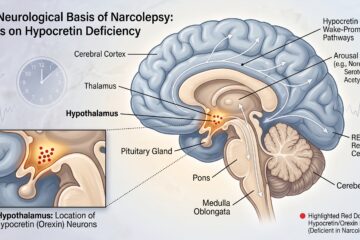
There are different forms of narcolepsy. Narcolepsy type 1 is generally associated with cataplexy and reduced levels of hypocretin, also called orexin, a chemical involved in regulating wakefulness. Narcolepsy type 2 involves excessive daytime sleepiness without typical cataplexy and usually does not show the same evidence of low hypocretin levels. A healthcare professional determines the diagnosis based on symptoms, test findings, and established diagnostic criteria.
When Should You Consider Testing for Narcolepsy?
Testing may be considered when excessive daytime sleepiness is persistent, significant, and not adequately explained by insufficient sleep or another known condition. Feeling tired occasionally is common, but narcolepsy-related sleepiness can be unusually strong and may persist even when a person believes they are getting enough nighttime sleep.
Sudden or uncontrollable sleep episodes can also be an important reason to seek medical evaluation. Some people notice that they struggle to stay awake while reading, working, studying, sitting quietly, or performing repetitive activities. Others may experience an overwhelming urge to sleep that seems difficult to resist.
Cataplexy is another important symptom to discuss with a healthcare professional. Cataplexy involves sudden, temporary muscle weakness while a person remains conscious. It can affect different muscle groups and may be associated with strong emotions. Not everyone with narcolepsy experiences cataplexy, so its absence does not automatically rule out the condition.
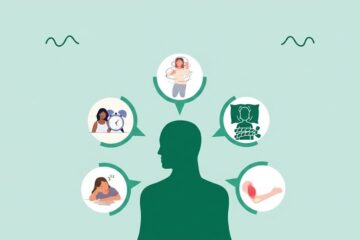
Sleep paralysis and vivid dream-like experiences around the transition between sleep and wakefulness may also occur. Nighttime sleep can be fragmented, which means that a person may sleep for many hours but still feel excessively sleepy during the following day. When several of these symptoms occur together, a medical evaluation can help determine whether specialized sleep testing is appropriate.
How to Start the Narcolepsy Testing Process
The first step is usually to speak with a healthcare professional about your symptoms. A primary care doctor can review your concerns, evaluate possible causes, and determine whether a referral to a sleep specialist is appropriate. A sleep medicine physician has specialized training in diagnosing and managing sleep disorders and can coordinate more detailed testing when necessary.
During the initial appointment, it is useful to describe the symptoms clearly and explain how often they occur. Information about nighttime sleep, daytime sleepiness, sudden sleep episodes, unusual movements, dream experiences, sleep paralysis, and changes in muscle strength can all be relevant. The doctor may also ask about your typical bedtime, wake time, work or school schedule, and overall sleep duration.
A medication review is also important. Certain prescription medicines, over-the-counter products, recreational substances, and other substances can affect alertness or sleep architecture. Some medications may increase sleepiness, while others can interfere with the results of sleep testing. You should provide your healthcare professional with a complete and accurate medication list.
What Happens During a Narcolepsy Evaluation?
A narcolepsy evaluation usually begins with a detailed medical and sleep history. The healthcare professional may ask when your symptoms started, whether they have changed over time, and how they affect your daily life. The clinician may also ask about your sleep schedule and whether you regularly get enough sleep.
The evaluation may include questions about daytime sleepiness and the circumstances in which sleepiness occurs. A sleep specialist may use standardized questionnaires to measure the severity of daytime sleepiness. These questionnaires do not diagnose narcolepsy by themselves, but they can provide useful information about the level of sleepiness.
Your nighttime sleep patterns are also important. The specialist may ask about difficulty falling asleep, waking during the night, snoring, breathing interruptions, unusual movements, restless legs, and waking too early. These questions help identify other sleep disorders that could contribute to daytime fatigue or sleepiness.
The doctor may also assess whether your symptoms suggest cataplexy. Because cataplexy can be confused with other types of muscle weakness or neurological symptoms, describing exactly what happens during an episode can be important. The clinician may ask how long episodes last, whether consciousness is maintained, and whether particular situations appear to trigger them.
Keeping a Sleep Diary Before Testing
A sleep diary can be an important part of the diagnostic process. It provides a record of when you go to bed, when you wake up, how long you believe you sleep, and how you feel during the day. A healthcare professional may ask you to maintain a sleep diary for a period before formal testing.
The purpose of a sleep diary is to understand your normal sleep pattern and determine whether insufficient sleep could be contributing to excessive daytime sleepiness. Maintaining a consistent record can also help identify irregular sleep schedules that may affect test interpretation.
Some sleep specialists may recommend additional monitoring of sleep and wake patterns before an MSLT. This may involve an actigraphy device that records movement over an extended period and can provide information about daily rest and activity patterns.
The Overnight Sleep Study for Narcolepsy
One of the major tests used during a narcolepsy evaluation is overnight polysomnography. This is a sleep study performed while you sleep, usually in a specialized sleep laboratory or another approved setting. The test records several physiological signals throughout the night.
During polysomnography, sensors can monitor brain activity, eye movements, muscle activity, heart rate, breathing, and oxygen levels. The information allows the sleep specialist to examine the different stages of sleep and identify disruptions that may explain excessive daytime sleepiness.
The overnight study is important because several conditions can produce symptoms that resemble narcolepsy. Obstructive sleep apnea, periodic limb movements, and other sleep disorders can interfere with normal sleep and lead to significant daytime sleepiness. Identifying these conditions can help ensure that the correct cause is considered.
Polysomnography also provides information about how quickly you fall asleep and how your sleep progresses through different stages. The results can help determine whether additional daytime testing is appropriate.
What Is the Multiple Sleep Latency Test?
The Multiple Sleep Latency Test, or MSLT, is one of the most important objective tests used when evaluating suspected narcolepsy. It measures how quickly a person falls asleep during scheduled opportunities to nap during the day.
The MSLT is generally performed after an overnight sleep study. During the test, the patient receives several opportunities to sleep at scheduled intervals. Sensors monitor brain activity and other signals to determine whether the person falls asleep and which stage of sleep occurs.
One important measurement is sleep latency, which refers to the amount of time it takes to fall asleep. People with narcolepsy may have unusually short sleep latency because of significant daytime sleepiness. However, short sleep latency alone does not establish a diagnosis.
Another important finding is the presence of sleep-onset REM periods, sometimes called SOREMPs. These occur when REM sleep appears unusually soon after falling asleep. The combination of excessive daytime sleepiness, short sleep latency, and an appropriate number of sleep-onset REM periods can support a diagnosis when interpreted alongside the rest of the clinical evaluation.
Why the MSLT Cannot Be Interpreted Alone
Although the MSLT is an important diagnostic tool, the results need to be interpreted carefully. Sleep deprivation, irregular sleep schedules, medications, other sleep disorders, and certain medical or psychiatric conditions can influence daytime sleepiness and sleep architecture.
This is why healthcare professionals usually consider the MSLT together with the overnight sleep study, medical history, symptoms, sleep schedule, and other available information. A test result without proper clinical context may not provide an accurate picture of the underlying problem.
Before an MSLT, the sleep specialist may provide instructions about medications and sleep schedules. Some medicines can suppress or alter REM sleep and may affect the test. However, medication changes should only be made according to instructions from the healthcare professional managing the evaluation.
Other Tests That May Be Used
In certain situations, additional testing may be considered. One specialized test measures hypocretin levels in cerebrospinal fluid. Hypocretin, also known as orexin, is involved in maintaining wakefulness and regulating sleep. Low hypocretin levels can be associated with narcolepsy type 1.
Cerebrospinal fluid testing is not routinely required for every person being evaluated for narcolepsy. It may be considered when the diagnosis is uncertain, when standard testing cannot be completed or interpreted reliably, or when specific clinical circumstances make the test useful.
Genetic testing may also be discussed in selected circumstances, but genetic information alone does not establish a diagnosis of narcolepsy. A healthcare professional must interpret any genetic finding in the context of symptoms and other clinical evidence.
How Doctors Rule Out Other Causes of Daytime Sleepiness
One of the most important parts of learning how to get tested for narcolepsy is understanding that doctors usually need to rule out other causes of excessive sleepiness. Many conditions can make a person feel sleepy during the day, and some are much more common than narcolepsy.
Insufficient sleep is one of the first possibilities to consider. A person who consistently sleeps too little may experience significant daytime sleepiness without having narcolepsy. An irregular work schedule, shift work, lifestyle factors, or circadian rhythm problems can also interfere with normal alertness.
Obstructive sleep apnea is another important condition to evaluate. It can cause repeated interruptions in breathing during sleep and may result in fragmented sleep and daytime sleepiness. Snoring, witnessed breathing pauses, morning headaches, and nighttime awakenings can be relevant symptoms.
Medications and substances can also contribute to sleepiness. Certain drugs affect the central nervous system and may cause drowsiness. Alcohol and other substances can also alter sleep quality. A thorough medical history helps the clinician identify these potential contributors.
Other medical and neurological conditions may also cause fatigue or sleepiness. A healthcare professional may determine whether additional medical evaluation is necessary based on the individual’s symptoms and history.
Preparing for Narcolepsy Testing
Preparation can help make the testing process more useful. The sleep specialist may ask you to maintain a regular sleep schedule before the evaluation. Following the recommended schedule helps reduce the possibility that insufficient or irregular sleep will affect the test results.
Keeping a detailed sleep diary can also be helpful. Record your bedtime, approximate sleep time, wake time, nighttime awakenings, naps, and periods of unusual sleepiness. If you experience symptoms such as sleep paralysis or sudden muscle weakness, record when they happen and what you were doing before they occurred.
Medication information is particularly important. Bring a complete list of prescription medicines, over-the-counter products, supplements, and other substances you use. Do not stop or change medications on your own simply because you are preparing for sleep testing. Your healthcare professional can tell you whether any medication needs to be adjusted.
Following the sleep laboratory’s instructions is also important. Testing procedures can vary depending on the facility and your individual circumstances. The sleep specialist should explain any preparation requirements before the appointment.
What Happens During an Overnight Sleep Study?
An overnight sleep study generally begins in the evening. A sleep technician applies sensors to monitor various aspects of sleep and body function. The sensors are designed to collect information while allowing the person to sleep as normally as possible.
The recorded information can show when you fall asleep, how your sleep stages progress, whether breathing abnormalities occur, and whether there are unusual movements during sleep. The technician monitors the recording from another area and can assist if a sensor becomes loose or another issue occurs.
Although sleeping in a laboratory may feel unfamiliar, the purpose is to collect objective information about your sleep. The environment is designed to allow monitoring without requiring you to remain awake or actively participate throughout the night.
After the overnight study, the collected data is reviewed by qualified professionals. If an MSLT is scheduled, the daytime testing generally follows the overnight study according to the sleep specialist’s protocol.
What Happens During an MSLT?
The MSLT usually takes place during the daytime after the overnight sleep study. You are given several scheduled opportunities to sleep. Before each nap period, you are asked to relax and attempt to fall asleep under controlled conditions.
Special sensors monitor brain waves, eye movements, and muscle activity. These signals help determine whether you actually fall asleep and whether REM sleep appears soon after sleep begins.
Between nap opportunities, you are generally expected to remain awake. The procedure continues according to a standardized schedule established by the sleep laboratory. The test provides objective information about how easily you fall asleep during the day.
The results are later analyzed by a sleep specialist. The clinician considers the findings along with your symptoms, medical history, overnight sleep study, and other relevant information.
How Long Does Narcolepsy Testing Take?
The entire diagnostic process can take time because narcolepsy is not usually confirmed through one quick appointment. The first stage may involve a primary care visit followed by a referral to a sleep specialist. Depending on the situation, the specialist may ask you to track your sleep before formal testing.
The overnight polysomnography generally takes place over one night. When an MSLT is needed, it is commonly conducted during the following day. Additional appointments may then be required to review the findings and discuss whether the diagnostic criteria are met.
The total timeline varies from person to person. Scheduling availability, the need for additional tests, medication considerations, and the complexity of symptoms can all affect how long the process takes.
Understanding Narcolepsy Test Results
Receiving test results can be confusing because sleep studies contain many different measurements. A sleep specialist interprets the results rather than relying on one number in isolation.
For narcolepsy, the clinician may evaluate the degree of daytime sleepiness, average sleep latency during the MSLT, and the occurrence of sleep-onset REM periods. The overnight study may also provide information needed to determine whether another sleep disorder could explain the symptoms.
The results are interpreted according to established diagnostic standards. The diagnosis also depends on the overall clinical picture. This means that two people with similar symptoms may require different evaluations depending on their medical history and test findings.
If your results do not clearly establish narcolepsy, your doctor may recommend additional evaluation. A lack of confirmation from one test does not necessarily mean that your symptoms are not real or that no further investigation is needed.
Can Narcolepsy Be Diagnosed Without an MSLT?
An MSLT is commonly used when evaluating narcolepsy, but it is not necessarily the only source of diagnostic information. The appropriate testing strategy depends on the person’s symptoms and clinical circumstances.
In some cases, other objective findings may be particularly relevant. Cerebrospinal fluid hypocretin measurement can provide important information in selected patients, particularly when narcolepsy type 1 is suspected. A sleep specialist determines whether such testing is appropriate.
Because diagnostic criteria and testing requirements can be complex, people who suspect narcolepsy should work with a qualified healthcare professional rather than attempting to interpret individual test results independently.
Can You Have Narcolepsy Without Cataplexy?
Yes. Narcolepsy does not always involve cataplexy. Narcolepsy type 2 is characterized by excessive daytime sleepiness and objective evidence of abnormal sleepiness and REM-related findings without typical cataplexy.
The absence of cataplexy therefore does not automatically exclude narcolepsy. However, excessive daytime sleepiness has many possible causes, so objective sleep testing and professional evaluation remain important.
A sleep specialist can assess whether the symptoms and test findings fit narcolepsy type 1, narcolepsy type 2, another sleep disorder, or a different underlying condition.
What If Your Narcolepsy Tests Are Normal?
Normal or inconclusive test results can happen for several reasons. Sleep deprivation, medication effects, an inconsistent sleep schedule, other sleep disorders, and testing conditions can influence results. The clinician may review the circumstances surrounding the test before deciding what to do next.
If symptoms remain significant, your healthcare professional may recommend additional evaluation. This could involve reviewing your sleep schedule, reassessing medications, investigating another sleep disorder, or considering other medical explanations.
It is important not to self-diagnose based on symptoms alone. Excessive sleepiness can have multiple causes, and identifying the correct cause is important for choosing appropriate management.
What Happens After a Narcolepsy Diagnosis?
If testing supports a diagnosis of narcolepsy, the next step is usually a discussion about symptom management. Treatment is individualized because people can experience different combinations and levels of symptoms.
Management may address excessive daytime sleepiness, cataplexy when present, disrupted nighttime sleep, and other symptoms. Depending on the person’s needs, a healthcare professional may discuss medications, planned sleep periods, consistent sleep schedules, safety measures, and behavioral strategies.
Regular follow-up can be important because symptoms and treatment needs can change over time. A sleep specialist can monitor the effectiveness and tolerability of treatment and make adjustments when necessary.
The Multiple Sleep Latency Test is an important part of many narcolepsy evaluations because it measures how quickly a person falls asleep during scheduled daytime nap opportunities and whether REM sleep occurs during those naps. Cleveland Clinic’s MSLT guide explains that the test is generally performed after an overnight sleep study and uses sensors to monitor brain activity and eye movements.
Why Accurate Diagnosis Matters
An accurate diagnosis can help distinguish narcolepsy from other conditions that produce excessive daytime sleepiness. Without proper evaluation, symptoms may be attributed to ordinary tiredness, insufficient sleep, lifestyle factors, or another condition.
Understanding how to get tested for narcolepsy is therefore an important first step for people who experience persistent and unexplained daytime sleepiness. Professional testing provides objective information that can help clarify what is happening during sleep and wakefulness.
A diagnosis can also provide a clearer path toward appropriate symptom management. Once the underlying condition has been identified, healthcare professionals can discuss strategies designed to improve daytime alertness, nighttime sleep, safety, and overall daily functioning.
FAQ
How do you get tested for narcolepsy?
Testing usually begins with a healthcare professional who reviews symptoms, medical history, sleep patterns, and medications. If narcolepsy is suspected, a sleep specialist may conduct or arrange an overnight polysomnography followed by a Multiple Sleep Latency Test. Additional testing may be considered when necessary.
What doctor tests for narcolepsy?
A sleep medicine specialist, often called a sleep specialist or sleep physician, can evaluate and test for narcolepsy. A primary care doctor may begin the evaluation and provide a referral when specialized sleep testing is needed.
Is there a blood test for narcolepsy?
Narcolepsy is not generally diagnosed through a routine blood test. Diagnosis commonly relies on symptoms, clinical evaluation, overnight sleep testing, and MSLT results. Specialized hypocretin testing using cerebrospinal fluid may be considered in certain situations.
How long does it take to get tested for narcolepsy?
The timeline varies. It may include an initial medical appointment, sleep tracking, an overnight sleep study, daytime MSLT testing, and a follow-up consultation. Scheduling and the need for additional evaluation can affect the total time.
Is an overnight sleep study required for narcolepsy testing?
An overnight polysomnography is commonly performed before an MSLT because it helps evaluate nighttime sleep and identify other conditions that could cause daytime sleepiness. The exact testing approach depends on the individual’s clinical situation.
What is an MSLT for narcolepsy?
The Multiple Sleep Latency Test measures how quickly a person falls asleep during several scheduled daytime nap opportunities. It also evaluates whether REM sleep occurs unusually soon after sleep begins. The results are interpreted alongside other clinical information.
Can sleep apnea look like narcolepsy?
Sleep apnea can cause significant daytime sleepiness and may resemble some symptoms associated with narcolepsy. This is one reason an overnight sleep study can be important during the evaluation. Identifying other sleep disorders helps the clinician determine the most appropriate diagnosis.
Can you have narcolepsy without falling asleep suddenly?
Narcolepsy symptoms can vary between individuals. Excessive daytime sleepiness is a central feature, but the way it appears can differ. A person does not necessarily need to describe dramatic sudden sleep episodes for a healthcare professional to investigate narcolepsy.
Can medication affect narcolepsy testing?
Yes. Some medications can influence sleepiness or REM sleep and may affect test results. However, medication should never be stopped or changed without medical guidance. The sleep specialist can provide specific instructions before testing.
Final Thoughts
Knowing how to get tested for narcolepsy can make an unfamiliar medical process easier to understand. The evaluation generally starts with a discussion of symptoms and sleep history and may continue with specialized testing by a sleep medicine professional. Overnight polysomnography and the Multiple Sleep Latency Test are important components of the diagnostic process when narcolepsy is suspected.
The most important point is that persistent excessive daytime sleepiness deserves appropriate evaluation, particularly when it interferes with normal activities or occurs despite adequate sleep. Narcolepsy can share symptoms with several other sleep and medical conditions, so professional assessment is important for reaching an accurate diagnosis.
If you are concerned about possible narcolepsy, keeping track of your sleep schedule and symptoms can provide useful information for your healthcare professional. Bring a complete medication list and follow the preparation instructions provided by the sleep specialist. With appropriate evaluation and follow-up, the cause of unexplained daytime sleepiness can be investigated more systematically and an appropriate care plan can be discussed.