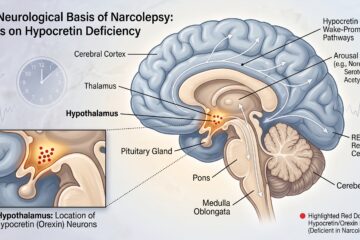
Narcolepsy is a neurological sleep disorder that can affect the way a person sleeps, wakes, and functions throughout the day. People with narcolepsy may experience overwhelming daytime sleepiness, sudden episodes of falling asleep, disrupted nighttime sleep, or unusual changes in muscle control. Because these symptoms can overlap with other sleep problems, getting the right medical evaluation is an important first step.
One of the most common questions people have after noticing possible narcolepsy symptoms is, “What kind of doctor treats narcolepsy?” The answer is usually a sleep medicine specialist, although neurologists, primary care doctors, pediatricians, and other healthcare professionals can also have important roles in diagnosis and treatment.
The right specialist depends on the person’s age, symptoms, medical history, and access to specialized sleep care. A primary care doctor may initially evaluate symptoms and provide a referral, while a sleep medicine physician can perform or arrange specialized testing. In some cases, a neurologist may also be involved because narcolepsy is considered a neurological disorder.
Understanding which doctors treat narcolepsy can make the healthcare process less confusing. It can also help patients prepare for appointments, understand possible diagnostic tests, and know what to expect from treatment.
Understanding Narcolepsy
Narcolepsy is a chronic neurological disorder that affects the brain’s ability to regulate normal sleep-wake cycles. A person with narcolepsy may feel extremely sleepy during the day even after getting what seems like enough nighttime sleep.
The condition can also interfere with the transition between wakefulness and sleep. Some people experience sudden sleep episodes, while others have symptoms such as cataplexy, sleep paralysis, or vivid dream-like experiences around the time they fall asleep or wake up.
Narcolepsy is not simply the result of being tired or not getting enough sleep. It is a medical condition that deserves proper evaluation when symptoms are persistent or interfere with everyday activities.
Common Symptoms of Narcolepsy
Excessive daytime sleepiness is one of the most recognizable symptoms. A person may struggle to stay awake during school, work, conversations, reading, traveling, or other routine activities.
Some people experience sudden episodes of sleep during the day. These episodes can occur even when the person is trying to remain awake.
Cataplexy is another important symptom, although not everyone with narcolepsy experiences it. Cataplexy involves brief episodes of sudden muscle weakness that can be triggered by strong emotions such as laughter, excitement, surprise, or anger.
Other symptoms can include sleep paralysis, vivid hallucination-like experiences while falling asleep or waking up, and fragmented nighttime sleep.
Because these symptoms can have several possible causes, a healthcare professional should evaluate them rather than assuming they automatically indicate narcolepsy.
What Kind of Doctor Treats Narcolepsy?
A sleep medicine specialist is often the most directly relevant specialist for someone who may have narcolepsy. Sleep medicine physicians are trained to evaluate and manage disorders involving sleep and wakefulness.
A neurologist may also treat narcolepsy, particularly when neurological symptoms are present or when a patient needs a broader neurological evaluation.
A primary care doctor can be an important starting point, especially when someone is unsure which specialist to see. The primary care doctor can review symptoms, consider other possible causes of excessive sleepiness, and refer the patient to an appropriate specialist.
For children and teenagers, a pediatrician or pediatric sleep specialist may be involved.
Sleep Medicine Specialist
A sleep medicine specialist focuses on disorders that affect sleep, wakefulness, and sleep-related health. This makes sleep medicine particularly relevant to narcolepsy.
A sleep specialist can review a person’s sleep history, discuss daytime symptoms, examine possible causes, and arrange specialized sleep testing when appropriate.
Depending on the healthcare system, a sleep medicine specialist may have a background in neurology, pulmonology, psychiatry, internal medicine, pediatrics, or another medical specialty followed by additional training in sleep medicine.
If narcolepsy is suspected, a sleep specialist can help determine whether the symptoms fit narcolepsy or another sleep disorder.
Neurologist
Narcolepsy is a neurological disorder, so neurologists can also play an important role in its diagnosis and management.
A neurologist specializes in conditions affecting the brain, spinal cord, nerves, and related systems. When symptoms such as cataplexy are present, a neurologist may evaluate whether there is an underlying neurological explanation.
Some neurologists specialize in sleep medicine or have extensive experience treating sleep-related neurological conditions. In these cases, they may provide both neurological and sleep-focused care.
Pulmonologist With Sleep Medicine Training
Some sleep medicine physicians begin their medical careers in pulmonary medicine. Although pulmonologists are commonly associated with lung and breathing conditions, some receive additional training in sleep medicine.
These doctors can evaluate a wide range of sleep disorders and may work in sleep centers where diagnostic sleep studies are performed.
However, having the title “pulmonologist” alone does not necessarily mean a doctor specializes in narcolepsy. When searching for a doctor, it is useful to look specifically for sleep medicine expertise.
Primary Care Doctor
A primary care physician can be an excellent first point of contact when someone develops persistent daytime sleepiness or unusual sleep-related symptoms.
Primary care doctors can review a person’s general health, medications, sleep habits, and other possible causes of fatigue or sleepiness. They may also recommend initial blood tests or other evaluations when appropriate.
If narcolepsy is suspected, the primary care doctor can refer the patient to a sleep medicine specialist or another appropriate healthcare professional.
Starting with primary care can be especially useful for people who do not know which specialist to contact or who need a referral through their health insurance system.
Pediatric Sleep Specialist for Children and Teenagers
Narcolepsy can also affect children and teenagers. In younger patients, symptoms may sometimes look different from those seen in adults.
A pediatrician can provide an initial evaluation, while a pediatric sleep medicine specialist can provide more specialized assessment when needed.
Parents or caregivers may notice excessive daytime sleepiness, difficulty staying awake in class, unusual sleep patterns, changes in academic performance, or other symptoms.
Because sleepiness in children and teenagers can have many possible causes, a healthcare professional should carefully evaluate the overall picture.
Which Doctor Should You See First?
There is no single doctor who must be the first person every patient sees. The appropriate starting point depends on symptoms, age, medical history, healthcare access, and local referral systems.
For many adults, a primary care physician can be a practical starting point. The doctor can determine whether the symptoms could be related to sleep deprivation, medications, another medical condition, or a sleep disorder.
If narcolepsy is strongly suspected, a referral to a sleep medicine specialist may follow.
When to Start With a Primary Care Doctor
A primary care doctor may be appropriate when you are experiencing persistent daytime sleepiness but do not know what is causing it.
During the appointment, explain how long the symptoms have been present and how they affect everyday life. Mention whether you fall asleep unintentionally, have difficulty staying awake during activities, or experience unusual symptoms around sleep.
It can also help to discuss your nighttime sleep, medications, caffeine use, work or school schedule, and any other health concerns.
When a Sleep Specialist May Be Appropriate
A sleep specialist may be particularly useful when excessive sleepiness continues despite getting adequate opportunities for sleep.
A specialist can investigate conditions such as narcolepsy, sleep apnea, restless legs syndrome, circadian rhythm disorders, and other causes of abnormal sleepiness.
A sleep specialist can also determine whether specialized testing is appropriate.
When a Neurologist May Be Involved
A neurologist may become involved when symptoms suggest a neurological condition or when the patient needs specialized neurological assessment.
For people with suspected narcolepsy accompanied by cataplexy or other unusual neurological symptoms, neurological expertise may be particularly useful.
Some patients may receive care from both a neurologist and a sleep medicine specialist.
How Doctors Diagnose Narcolepsy
Diagnosing narcolepsy usually involves more than asking whether someone feels sleepy during the day. A doctor generally needs to understand the person’s sleep history, symptoms, medical background, and possible alternative explanations.
The diagnostic process can vary from one patient to another.
Reviewing Your Symptoms and Medical History
A doctor may ask when daytime sleepiness began, how often it occurs, and whether it interferes with school, work, driving, or other daily activities.
The doctor may also ask about nighttime sleep, family history, medications, mental health symptoms, medical conditions, and changes in sleep schedules.
Specific questions about cataplexy, sleep paralysis, and dream-like experiences around sleep may also be discussed.
Sleep Diary and Sleep History
A sleep diary can help doctors understand a person’s typical sleep schedule.
Patients may record when they go to bed, when they wake up, naps during the day, nighttime awakenings, and other relevant details.
In some cases, wearable devices may also be used to provide information about activity and sleep patterns, although they do not replace formal diagnostic testing when such testing is needed.
Overnight Sleep Study
An overnight sleep study, also known as polysomnography, can monitor several body functions while a person sleeps.
Depending on the test, measurements may include brain activity, breathing, oxygen levels, heart rate, eye movements, and muscle activity.
One purpose of an overnight study is to identify other sleep disorders and provide information about the patient’s sleep architecture.
Multiple Sleep Latency Test
A multiple sleep latency test, commonly called an MSLT, is often used as part of the evaluation for narcolepsy.
The test generally takes place during the daytime after an overnight sleep study. The patient is given several opportunities to nap while sleep onset and other sleep characteristics are monitored.
The results can help doctors evaluate excessive daytime sleepiness and determine whether the person enters rapid eye movement sleep unusually quickly.
Testing for Other Sleep Disorders
Before diagnosing narcolepsy, doctors may consider other explanations for excessive sleepiness.
Insufficient sleep, obstructive sleep apnea, certain medications, circadian rhythm disorders, depression, other medical conditions, and irregular sleep schedules can all contribute to daytime sleepiness.
A thorough evaluation helps the doctor distinguish narcolepsy from other conditions with overlapping symptoms.
What Happens During a Narcolepsy Appointment?
A first appointment may feel like a conversation rather than a complicated medical procedure. The doctor will usually want to understand your symptoms and how they affect your daily life.
Being prepared can make the appointment more productive.
Questions Your Doctor May Ask
Your doctor may ask about your typical bedtime and wake time, how long you sleep, how refreshed you feel after sleeping, and whether you take naps.
You may also be asked whether you experience sudden sleep episodes, muscle weakness associated with emotions, sleep paralysis, or vivid experiences when falling asleep or waking.
The doctor may ask about medications and substances that could affect alertness or sleep.
Symptoms You Should Track Before Your Visit
Keeping notes for several days or weeks can help you describe your symptoms accurately.
You might record your sleep schedule, daytime naps, episodes of severe sleepiness, nighttime awakenings, and any unusual symptoms.
The National Institute of Neurological Disorders and Stroke (NINDS) provides medical information about narcolepsy, including its symptoms, causes, and effects on sleep-wake regulation. Reviewing reliable medical resources can help patients understand the condition before discussing their symptoms with a healthcare professional. National Institute of Neurological Disorders and Stroke (NINDS)
If someone close to you has noticed changes in your sleep or alertness, their observations can also be useful during a medical appointment.
Tests Your Doctor May Recommend
Testing depends on the symptoms and the doctor’s assessment.
Some people may need an overnight sleep study followed by a multiple sleep latency test. Others may require additional testing to investigate alternative causes of sleepiness.
A doctor will determine which tests are appropriate rather than automatically ordering every available sleep test.
What Treatments Can Doctors Provide for Narcolepsy?
Narcolepsy does not currently have a simple one-time cure, but treatment can help manage symptoms and improve daily functioning.
Treatment plans are individualized because symptoms and responses to treatment can differ between people.
Medicines Used to Manage Excessive Daytime Sleepiness
Doctors may prescribe medications intended to improve daytime alertness.
The specific medication depends on the patient’s symptoms, age, medical history, other medicines, and potential side effects.
Because narcolepsy medications can have important effects and interactions, they should only be used according to a qualified healthcare professional’s instructions.
Treatments for Cataplexy and Other Symptoms
For people who experience cataplexy, doctors may consider treatments specifically aimed at reducing those episodes.
Treatment can also address other symptoms associated with narcolepsy, depending on the individual situation.
A doctor may adjust treatment over time based on effectiveness, side effects, lifestyle needs, and changes in symptoms.
Behavioral and Lifestyle Strategies
Medication is not necessarily the only part of narcolepsy management.
Doctors may recommend maintaining a consistent sleep schedule, taking planned naps when appropriate, practicing healthy sleep habits, and developing routines that support daytime alertness.
These strategies do not replace medical treatment, but they may be useful components of an overall management plan.
Creating a Long-Term Treatment Plan
Narcolepsy is generally a long-term condition, so ongoing medical care can be important.
A doctor may periodically review symptoms and treatment response. Medication doses or treatment strategies may change over time.
Patients should tell their healthcare professional about new symptoms, side effects, changes in sleep patterns, or problems with treatment.
When Should You See a Doctor About Possible Narcolepsy?
Persistent or severe daytime sleepiness deserves attention, especially when it interferes with everyday activities.
You should consider discussing symptoms with a healthcare professional if you regularly struggle to stay awake despite having enough opportunity to sleep.
Excessive Daytime Sleepiness
Occasional tiredness is common, especially after a poor night’s sleep. Persistent excessive sleepiness is different.
If sleepiness regularly affects concentration, school, work, conversations, or daily responsibilities, it is worth discussing with a healthcare professional.
Sudden Muscle Weakness or Cataplexy
Sudden muscle weakness associated with strong emotions can be an important symptom of narcolepsy.
Because cataplexy has a relatively distinctive connection with narcolepsy, telling your doctor about these episodes can provide useful diagnostic information.
Sleep Attacks and Unusual Sleep Patterns
Unexpectedly falling asleep during the day or struggling to remain awake during routine activities can have multiple causes.
Rather than assuming the cause is narcolepsy, it is better to have the symptoms evaluated.
Symptoms That Affect School, Work, or Daily Activities
When excessive sleepiness begins affecting academic performance, employment, social activities, or safety, seeking professional advice becomes particularly important.
A doctor can help determine whether the symptoms are related to a sleep disorder or another medical issue.
How to Find a Narcolepsy Specialist
Finding the right doctor can take some research, especially if specialized sleep medicine services are not available nearby.
Look for healthcare professionals who specifically list sleep medicine, sleep disorders, or narcolepsy among their areas of expertise.
Checking Sleep Medicine Credentials
When searching for a specialist, review the doctor’s professional qualifications and sleep medicine training.
Hospitals and accredited sleep centers may provide information about physicians who evaluate and treat sleep disorders.
The exact certification system varies by country, so patients should check the relevant medical organization in their region.
Asking About Narcolepsy Experience
It is reasonable to ask a prospective doctor whether they regularly evaluate patients with narcolepsy.
You can also ask whether the clinic provides or has access to diagnostic sleep testing such as polysomnography and multiple sleep latency testing.
Questions to Ask Before Choosing a Specialist
Before making an appointment, you may want to ask whether the doctor treats adults, children, or both.
You can also ask whether a referral is required, what testing services are available, and whether follow-up care is provided at the same clinic.
These practical questions can help you understand what to expect before the appointment.
What to Bring to Your First Appointment
Bring a list of current medications and supplements, relevant medical records, and information about your typical sleep schedule.
A sleep diary can also be helpful.
If you have previously undergone sleep testing, bring the results if they are available.
Narcolepsy in Children and Teenagers
Narcolepsy can occur during childhood or adolescence, and symptoms may sometimes be mistaken for other problems.
A young person who is excessively sleepy during the day may be viewed as unmotivated, distracted, or simply not getting enough sleep. However, persistent sleepiness can have medical causes and deserves appropriate evaluation.
Why Diagnosis Can Be Different
Children and teenagers have changing sleep needs and schedules. School demands, late-night screen use, extracurricular activities, and inconsistent sleep schedules can all affect daytime alertness.
This can make it especially important for doctors to carefully distinguish normal sleep deprivation from a possible sleep disorder.
Pediatric Sleep Specialists
A pediatrician can provide an initial evaluation, while a pediatric sleep specialist can provide more specialized assessment.
When narcolepsy is suspected, the specialist can consider the child’s developmental stage and determine whether sleep testing is appropriate.
Talking With a Pediatrician
Parents and caregivers should describe specific changes rather than simply saying that a child is “always tired.”
Details about falling asleep during school, unusually long naps, disrupted nighttime sleep, sudden muscle weakness, or other unusual symptoms can help the pediatrician understand the situation.
FAQs
What kind of doctor should I see for narcolepsy?
A sleep medicine specialist is commonly involved in diagnosing and treating narcolepsy. A primary care doctor can also be a useful starting point and may provide a referral to a sleep specialist.
Is a neurologist or sleep specialist better for narcolepsy?
Both can have relevant expertise. Sleep medicine specialists focus specifically on sleep disorders, while neurologists specialize in disorders of the nervous system. Some physicians have training in both areas.
Can a primary care doctor diagnose narcolepsy?
A primary care doctor can evaluate symptoms and identify possible causes of excessive sleepiness, but specialized testing may be needed to establish a narcolepsy diagnosis. The doctor may refer the patient to a sleep specialist.
Does narcolepsy require a sleep study?
Sleep testing is commonly part of a formal evaluation for narcolepsy. An overnight sleep study and a multiple sleep latency test may be used to gather information about nighttime sleep and daytime sleepiness.
Can narcolepsy be treated by a neurologist?
Yes. Neurologists can treat narcolepsy, particularly when they have experience or additional training in sleep medicine.
Should children with possible narcolepsy see a specialist?
A pediatrician can provide an initial evaluation, and a pediatric sleep specialist may be involved when specialized assessment is needed.
How long does narcolepsy diagnosis take?
The timeline varies. Doctors may first review symptoms and sleep history before arranging specialized testing. The overall process depends on the patient’s circumstances, available testing, and whether other possible causes need to be investigated.
Final Thoughts
Knowing what kind of doctor treats narcolepsy can make the process of seeking medical care much easier. A sleep medicine specialist is often closely involved because narcolepsy is a disorder of sleep and wakefulness, while neurologists may also provide diagnosis and treatment because narcolepsy is a neurological condition. Primary care doctors and pediatricians can also play valuable roles, especially when symptoms first appear or when a patient is unsure where to begin.
Persistent excessive daytime sleepiness should not automatically be assumed to be narcolepsy. Similar symptoms can occur with insufficient sleep, other sleep disorders, medications, medical conditions, and changes in sleep schedules. That is why professional evaluation is important.
If narcolepsy is suspected, keeping track of sleep patterns and daytime symptoms can make conversations with a doctor more useful. Depending on the situation, a healthcare professional may recommend an overnight sleep study, a multiple sleep latency test, or other evaluations.
With appropriate diagnosis and an individualized treatment plan, people with narcolepsy can work with their healthcare team to manage symptoms and build routines that support everyday life.